
Sadness is a natural human emotion — everyone experiences it at some point. But when sadness lingers, intensifies, or begins to interfere with daily life, it becomes more than just a passing mood. It may signal deeper emotional or psychological challenges that deserve attention. Understanding why you're feeling sad isn't about assigning blame; it's about gaining clarity, identifying root causes, and taking meaningful steps toward healing.
While occasional low moods are normal, persistent sadness can stem from biological, psychological, and environmental factors. Recognizing these influences empowers you to respond with compassion and intention. This article explores the science behind sadness, common triggers, signs that professional help may be needed, and practical strategies for recovery.
The Science Behind Sadness
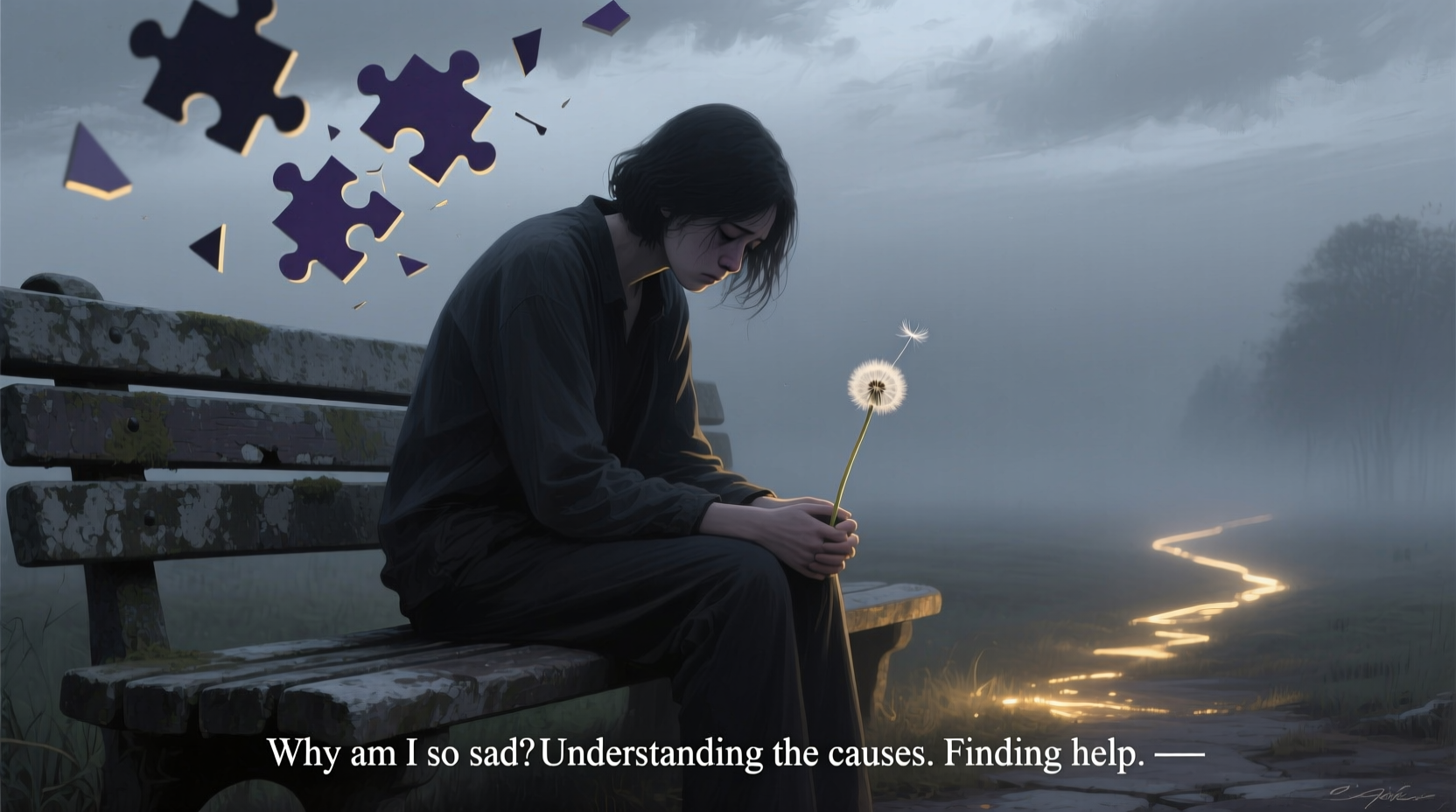
Emotions like sadness are not simply reactions to life events — they are deeply rooted in brain chemistry and neural pathways. Neurotransmitters such as serotonin, dopamine, and norepinephrine play critical roles in regulating mood. When levels of these chemicals become imbalanced, feelings of sadness, fatigue, or hopelessness can arise — even without an obvious external cause.
The limbic system, particularly the amygdala and hippocampus, processes emotional stimuli. Chronic stress or trauma can alter how this system functions, making individuals more susceptible to prolonged sadness or depressive episodes. Hormonal fluctuations — such as those during postpartum periods, thyroid disorders, or menopause — can also contribute significantly.
Common Causes of Persistent Sadness
Sadness often has multiple overlapping causes. While grief over loss is a well-known trigger, other less visible factors may be at play. Below are some of the most frequent contributors:
- Grief and Loss: The death of a loved one, end of a relationship, or major life transition can trigger deep sorrow.
- Chronic Stress: Ongoing pressure from work, finances, or caregiving responsibilities wears down emotional resilience.
- Loneliness: Even surrounded by people, emotional disconnection can lead to profound sadness.
- Unresolved Trauma: Past abuse, neglect, or adverse childhood experiences (ACEs) often resurface emotionally later in life.
- Lack of Purpose: Feeling stuck, unfulfilled, or directionless can erode motivation and joy.
- Health Issues: Chronic pain, illness, or neurological conditions impact emotional well-being.
- Medications: Some drugs, including certain blood pressure medications or hormonal treatments, list depression as a side effect.
“Sadness becomes concerning when it persists beyond the context that triggered it. That’s often a sign that internal processing is disrupted.” — Dr. Lena Torres, Clinical Psychologist
When Sadness Crosses Into Depression
Distinguishing between temporary sadness and clinical depression is crucial. While sadness is situational and time-limited, depression is a diagnosable condition characterized by persistent symptoms lasting two weeks or more. Key indicators include:
| Sadness | Depression |
|---|---|
| Triggered by specific events | May occur without clear cause |
| Mood improves with support or distraction | Limited relief from usual comforts |
| Appetite/sleep may fluctuate slightly | Significant changes in weight, sleep, or energy |
| Self-esteem remains intact | Persistent guilt, worthlessness, or self-blame |
| Episodes last days to a week | Symptoms persist for two weeks or longer |
If you notice several of the depression markers above, especially thoughts of self-harm or suicide, seek immediate help. These are not signs of weakness — they are signals that your mind needs care, just as a broken bone needs medical attention.
Steps to Take Toward Healing
Healing from persistent sadness begins with acknowledgment and action. You don’t have to “snap out of it” — you need sustainable, compassionate strategies. Here’s a step-by-step approach:
- Pause and Reflect: Journal your emotions. Note when sadness arises, what you were doing, and any recurring thoughts.
- Reach Out: Talk to someone you trust. Isolation amplifies negative emotions.
- Rule Out Medical Causes: Schedule a check-up. Thyroid issues, vitamin deficiencies, or sleep disorders can mimic depression.
- Establish Routines: Structure brings stability. Focus on consistent sleep, meals, and light activity.
- Limit Avoidance Behaviors: Avoid numbing sadness with alcohol, excessive screen time, or overworking.
- Seek Professional Support: A therapist can help uncover underlying patterns and offer evidence-based tools.
A Real-Life Example: Maria’s Journey
Maria, a 34-year-old teacher, began feeling increasingly sad after returning to in-person classes post-pandemic. She dismissed it as exhaustion, but months passed and her energy didn’t return. She stopped meeting friends, lost interest in cooking, and started dreading mornings.
After her sister expressed concern, Maria visited her doctor. Blood tests revealed low vitamin D and thyroid irregularities. With treatment, her energy improved slightly, but she still felt emotionally flat. She then began therapy, where she uncovered unresolved grief from losing her father two years earlier — a loss she had “pushed through” without processing.
Through cognitive behavioral therapy (CBT), Maria learned to identify negative thought loops and gradually reintroduced activities she once enjoyed. Within six months, her sense of self began to return. Her story illustrates how biological, emotional, and social factors often intertwine — and why a holistic response is essential.
How to Find the Right Help
Support comes in many forms. Knowing which resources align with your needs increases the likelihood of meaningful progress.
- Therapists: Licensed counselors, psychologists, or clinical social workers provide talk therapy. Modalities like CBT, DBT, or psychodynamic therapy address different aspects of emotional distress.
- Psychiatrists: Medical doctors who can diagnose mental health conditions and prescribe medication if needed.
- Support Groups: Peer-led groups (in-person or online) create safe spaces to share experiences without judgment.
- Hotlines and Crisis Services: Immediate support is available via national helplines like 988 (U.S. Suicide & Crisis Lifeline).
Checklist: First Steps to Get Help
- ✅ Write down three symptoms you’ve noticed
- ✅ Research therapists covered by your insurance or local sliding-scale clinics
- ✅ Make the appointment — even if you reschedule, starting matters
- ✅ Share your plan with one supportive person
- ✅ Prepare questions for your first session (e.g., “What’s your experience with grief?”)
Frequently Asked Questions
Is it normal to feel sad for no reason?
Yes, it’s more common than you might think. Emotions don’t always have clear triggers. Subconscious stress, hormonal shifts, or accumulated emotional fatigue can surface as unexplained sadness. The key is monitoring duration and intensity. If it persists, exploring it with a professional helps clarify the cause.
Can lifestyle changes really help with sadness?
Absolutely. Regular physical activity boosts endorphins and reduces cortisol. Balanced nutrition supports brain function — deficiencies in B12, iron, or omega-3s are linked to low mood. Even small improvements in sleep hygiene can significantly affect emotional regulation.
What if I don’t want medication?
Medication is not required for everyone. Many people benefit greatly from therapy, lifestyle adjustments, and community support alone. If prescribed, medication should be discussed thoroughly with a psychiatrist. It’s one tool among many — not a mandate.
Take the Next Step With Compassion
Asking “why am I so sad?” is not a sign of brokenness — it’s an act of courage. It means you’re paying attention to your inner world, which is the first and most vital step toward healing. Sadness does not define you, but how you respond to it can transform your life.
Whether you start with a journal entry, a phone call to a friend, or booking a therapy intake, each action builds momentum. Healing isn’t linear, and setbacks don’t erase progress. Be patient with yourself. You are not alone, and help is available.




 浙公网安备
33010002000092号
浙公网安备
33010002000092号 浙B2-20120091-4
Comments
No comments yet. Why don't you start the discussion?