
For many people, the sudden blare of a car horn, the clatter of dishes in a busy kitchen, or even the hum of fluorescent lights can feel overwhelming—sometimes painful. If everyday sounds seem too intense, you're not overreacting; you may be experiencing auditory hypersensitivity, a common but often misunderstood aspect of sensory processing. This condition isn't just about volume—it's about how your nervous system interprets and responds to auditory stimuli. Understanding the roots of this sensitivity can help you regain control and improve your quality of life.
The Science Behind Sound Sensitivity
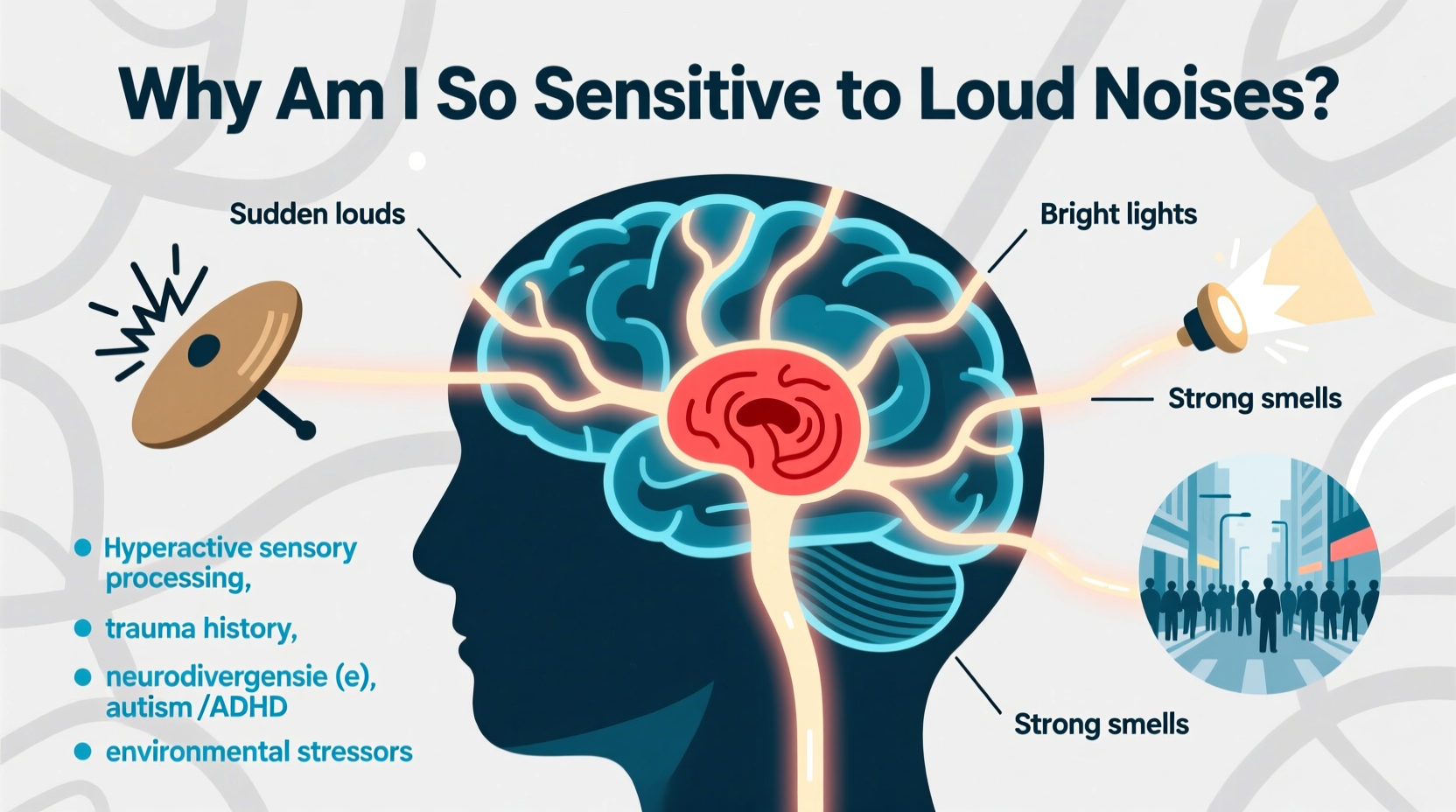
Sensory processing refers to how the brain receives, organizes, and responds to information from the senses. For individuals with heightened noise sensitivity, the auditory system doesn’t filter out background sounds as efficiently as it does for others. Instead, all sounds—regardless of volume or relevance—are processed with equal intensity, leading to sensory overload.
This phenomenon is linked to the central auditory processing pathway, which begins in the ear and ends in the brain’s auditory cortex. In some cases, the issue lies not in hearing ability but in neural regulation. The brain may misinterpret certain frequencies or struggle to modulate emotional responses to sound. This is particularly evident in conditions such as hyperacusis, misophonia, and sensory processing disorder (SPD).
Hyperacusis involves a reduced tolerance to everyday environmental sounds, even at normal volumes. Misophonia, on the other hand, is characterized by strong emotional reactions—such as anger or anxiety—to specific repetitive sounds like chewing, tapping, or breathing. Both stem from atypical neural connectivity between the auditory system and limbic regions responsible for emotion.
“Sound sensitivity isn't a matter of being 'too sensitive'—it's a neurological difference in how the brain processes auditory input.” — Dr. Naomi Chen, Neuroaudiologist and Sensory Research Specialist
Common Triggers and Their Impact
Loud noises don’t affect everyone uniformly. What feels unbearable to one person may go unnoticed by another. Identifying personal triggers is essential in managing sensitivity. Common culprits include:
- High-frequency sounds (e.g., alarms, sirens, children screaming)
- Repetitive noises (e.g., clock ticking, keyboard typing)
- Unexpected or sudden sounds (e.g., door slams, phone rings)
- Low-frequency humming (e.g., refrigerators, HVAC systems)
- Crowded environments with overlapping conversations (e.g., restaurants, parties)
These sounds can trigger physical symptoms such as headaches, dizziness, increased heart rate, and muscle tension. Emotionally, they may lead to irritability, anxiety, or a desire to escape. Over time, chronic exposure without relief can contribute to fatigue, social withdrawal, and even depression.
Conditions Associated with Noise Sensitivity
Heightened sensitivity to sound rarely exists in isolation. It frequently co-occurs with neurodevelopmental, psychological, or medical conditions. Recognizing these links can provide clarity and guide appropriate support.
Autism Spectrum Disorder (ASD)
Many autistic individuals experience sensory processing differences, including auditory defensiveness. Sounds may be perceived as painfully loud or distorted, making environments like schools, workplaces, or public transit challenging. This is not a behavioral issue but a neurological response to sensory input.
Post-Traumatic Stress Disorder (PTSD)
Trauma survivors often develop hypervigilance, where the nervous system remains in a state of high alert. Sudden noises can trigger flashbacks or panic attacks, as the brain associates them with past threats. This reflexive response is protective in dangerous contexts but maladaptive in safe environments.
Migraine and Chronic Pain Disorders
During a migraine episode, many patients report phonophobia—the discomfort or pain caused by sound. Even moderate noise levels can intensify headache severity. Similarly, those with fibromyalgia or chronic fatigue syndrome may find their pain perception amplified by auditory stimuli.
Hearing Damage or Tinnitus
Paradoxically, people with hearing loss sometimes become more sensitive to certain frequencies. This occurs because the brain compensates for missing auditory signals by amplifying remaining inputs, leading to distortion and discomfort. Tinnitus—ringing or buzzing in the ears—can also heighten awareness of external sounds.
| Condition | Related Sound Sensitivity | Key Characteristics |
|---|---|---|
| Hyperacusis | Generalized intolerance to moderate sounds | Pain or discomfort from everyday noises; often linked to head injury or viral infections |
| Misophonia | Emotional reaction to specific trigger sounds | Anger, disgust, or anxiety toward repetitive sounds like chewing or sniffing |
| Sensory Processing Disorder (SPD) | Over-responsivity across multiple senses | Difficulty filtering sensory input; common in children but persists into adulthood |
| PTSD | Hypervigilance to sudden or loud sounds | Startle response, panic, or dissociation triggered by trauma-associated noises |
Practical Strategies for Managing Noise Sensitivity
While you can’t always control your environment, you can build resilience and reduce the impact of triggering sounds. A multi-layered approach combining environmental adjustments, coping techniques, and professional support yields the best results.
Step-by-Step Guide to Reducing Auditory Stress
- Assess Your Environment: Walk through your home and workplace. Identify sources of constant or jarring noise—appliances, lighting, traffic—and note which ones bother you most.
- Introduce Sound Barriers: Use rugs, curtains, and upholstered furniture to absorb sound. Consider acoustic panels if noise reflection is an issue.
- Use Noise-Reducing Tools: Invest in high-quality earplugs or noise-canceling headphones. Look for models with flat frequency response to avoid distorting sound unnaturally.
- Create Quiet Zones: Designate a low-sensory space in your home—a room with minimal electronics, soft lighting, and comfortable seating—where you can retreat when overwhelmed.
- Practice Sound Desensitization: Under guidance, gradually expose yourself to low-level versions of trigger sounds while using relaxation techniques. This method, known as auditory integration training, can help recalibrate sensitivity over time.
Checklist: Daily Habits to Support Sensory Regulation
- ✅ Wear ear protection in high-noise environments (concerts, construction zones)
- ✅ Schedule regular quiet breaks throughout the day
- ✅ Limit screen time before bed to reduce auditory and visual stimulation
- ✅ Practice mindfulness or deep breathing when feeling overwhelmed
- ✅ Communicate needs clearly to coworkers, family, or roommates
- ✅ Avoid caffeine and stimulants that heighten nervous system activity
Real-Life Example: Navigating Work Life with Sound Sensitivity
Sarah, a 34-year-old graphic designer, began noticing that open-office chatter and phone notifications were making her anxious and unfocused. She experienced headaches by midday and found herself avoiding team meetings. After consulting an occupational therapist, she learned she had mild misophonia exacerbated by stress and poor sleep.
With professional guidance, Sarah implemented several changes: she negotiated a remote workday each week, used noise-canceling headphones with ambient forest sounds, and set up a dedicated workspace with sound-absorbing panels. Her employer also agreed to establish \"quiet hours\" during peak focus times. Within two months, her concentration improved, and her stress levels dropped significantly.
Sarah’s story highlights that accommodations aren’t about eliminating sound entirely—they’re about creating balance and autonomy in how we engage with our auditory world.
Frequently Asked Questions
Is being sensitive to loud noises a sign of anxiety?
Not necessarily. While anxiety can amplify sound sensitivity, the reverse is also true—chronic noise stress can contribute to anxiety. The relationship is bidirectional. However, sound sensitivity can exist independently of mental health conditions, especially when rooted in neurological differences like SPD or hyperacusis.
Can children outgrow noise sensitivity?
Some children do become more tolerant as their nervous systems mature, typically by late adolescence. However, without support, persistent sensitivity can affect learning, social development, and self-esteem. Early intervention—such as sensory integration therapy—can make a significant difference.
Are there medical treatments for sound sensitivity?
There is no single cure, but treatments vary based on cause. Cognitive-behavioral therapy (CBT) helps manage emotional responses. Sound therapy, such as tinnitus retraining therapy (TRT), can desensitize the auditory system. In cases linked to migraines or PTSD, treating the underlying condition often reduces sound-related symptoms.
Conclusion: Reclaiming Control Over Your Sensory Experience
Being sensitive to loud noises is not a flaw—it’s a signal from your body that your environment may need adjustment. Whether rooted in neurology, trauma, or health conditions, sound sensitivity deserves recognition and care. By understanding your triggers, applying practical strategies, and seeking informed support, you can reduce distress and create spaces where you feel safe and focused.
You don’t have to endure discomfort in silence. Start small: identify one change you can make today—whether it’s wearing earplugs during your commute, rearranging your workspace, or speaking up about your needs. Each step brings you closer to a life where sound enhances rather than overwhelms.




 浙公网安备
33010002000092号
浙公网安备
33010002000092号 浙B2-20120091-4
Comments
No comments yet. Why don't you start the discussion?