
Many people ask, “Why am I so sensitive?” It’s a question that often comes after feeling overwhelmed by emotions, deeply affected by criticism, or emotionally drained in social settings. Sensitivity isn’t a flaw—it’s a trait shared by nearly 20% of the population. Known as Highly Sensitive Persons (HSPs), these individuals process emotional, sensory, and environmental stimuli more deeply than others. Understanding this trait can transform how you relate to yourself and the world around you.
Sensitivity is frequently misunderstood as weakness or overreaction. In reality, it reflects a heightened awareness—a nervous system finely tuned to subtleties in tone, body language, atmosphere, and emotion. When harnessed with self-awareness, high sensitivity becomes a strength: deeper empathy, stronger intuition, and greater creativity. But without proper understanding and care, it can lead to burnout, anxiety, and emotional exhaustion.
What Is High Sensitivity?
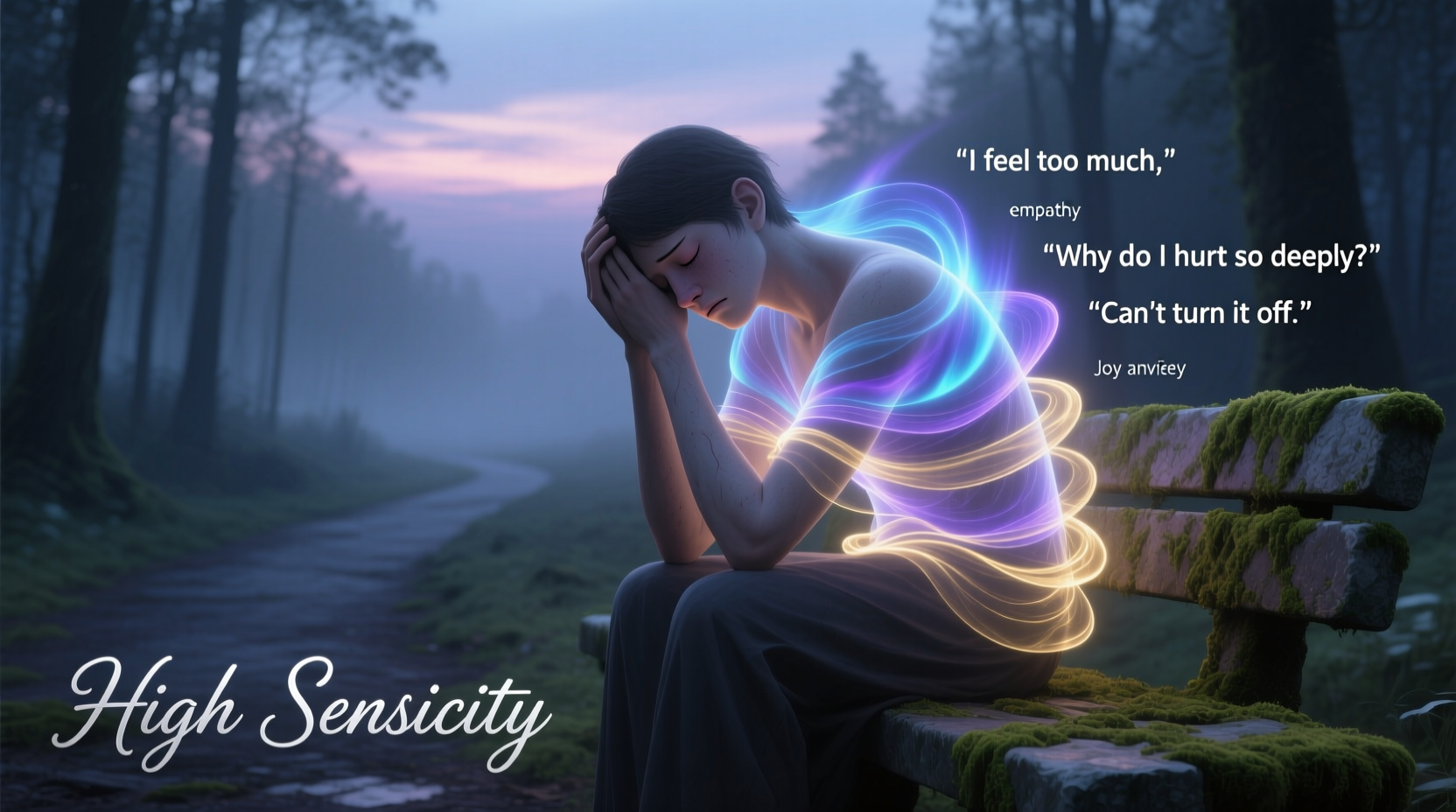
High sensitivity, or sensory processing sensitivity (SPS), is a personality trait identified by psychologists Elaine Aron and Arthur Aron in the 1990s. It’s not a disorder, nor is it linked to mental illness. Instead, it’s a neurobiological difference—people with this trait have a more responsive central nervous system and exhibit deeper cognitive processing of stimuli.
HSPs tend to notice small changes others miss—the shift in someone’s mood, background noise in a room, or subtle shifts in lighting. This depth of processing means they are more easily overstimulated, especially in chaotic environments. However, it also enables them to form meaningful connections, detect underlying tensions, and respond with exceptional compassion.
“High sensitivity is not about being fragile. It’s about perceiving more, feeling more, and reflecting more deeply.” — Dr. Elaine N. Aron, clinical psychologist and author of *The Highly Sensitive Person*
The Four Pillars of High Sensitivity (D.O.E.S.)
Dr. Aron developed the D.O.E.S. model to explain the core characteristics of high sensitivity:
- D – Depth of Processing: HSPs think more deeply about experiences, decisions, and interactions. They often replay conversations mentally and consider multiple angles before acting.
- O – Overstimulation: Because they absorb so much information, HSPs are prone to sensory overload—crowds, loud noises, or fast-paced environments can quickly become exhausting.
- E – Emotional Reactivity & Empathy: Emotions are felt more intensely, both personally and in response to others. This includes joy, sadness, and even secondhand stress.
- S – Sensing the Subtle: HSPs pick up on nuances—micro-expressions, slight changes in tone, or shifts in energy—that most people overlook.
If three or more of these traits resonate strongly, you may be a highly sensitive person. Importantly, high sensitivity exists across genders and cultures and is found in over 100 species—from fruit flies to primates—suggesting it has evolutionary value.
Why Are Some People More Sensitive Than Others?
Science points to both genetic and environmental factors. Research shows that HSPs often have variations in genes related to serotonin regulation and dopamine processing, affecting emotional resilience and reward sensitivity. Brain imaging studies reveal increased activity in regions tied to empathy, attention, and self-awareness when HSPs view emotional images.
Early life experiences also shape sensitivity. A child raised in a supportive environment may develop healthy emotional regulation, while one exposed to trauma or invalidation might internalize their sensitivity as something “wrong” with them. This can lead to chronic self-doubt or anxiety.
Culturally, sensitivity is often undervalued in fast-paced, achievement-oriented societies. Being “too emotional” or “needing too much quiet time” is stigmatized. Yet, many spiritual traditions and artistic communities honor deep feeling and introspection as signs of wisdom.
Common Challenges Faced by Highly Sensitive People
Living in a world not designed for deep processors can be difficult. Here are some frequent struggles:
- Feeling drained after social events, even enjoyable ones
- Taking criticism personally, despite logical understanding
- Being labeled “too intense” or “overly dramatic”
- Needing long recovery periods after stressful situations
- Avoiding conflict due to fear of emotional escalation
- Struggling with decision-making due to over-analysis
These challenges aren’t signs of dysfunction—they reflect a mismatch between an individual’s nature and their environment.
| Challenge | Root Cause | Healthy Response |
|---|---|---|
| Emotional overwhelm | Deep processing + high empathy | Practice grounding techniques and set emotional boundaries |
| Social exhaustion | Nervous system overstimulation | Schedule downtime after interactions |
| Perfectionism | Fear of negative judgment | Reframe mistakes as learning opportunities |
| Overthinking | Depth of processing | Limited-time reflection; use journaling to externalize thoughts |
How to Thrive as a Highly Sensitive Person
Acceptance is the first step toward empowerment. Once you understand your sensitivity as a valid, normal trait, you can begin building a lifestyle that honors your needs.
Step-by-Step Guide to Managing High Sensitivity
- Self-Assessment: Take Dr. Aron’s HSP test (available online) to confirm if you fall within the trait range.
- Identify Triggers: Keep a journal for one week noting when you feel overwhelmed. Look for patterns—time of day, environment, types of interaction.
- Create Low-Stimulus Zones: Designate a quiet space at home where you can retreat. Use soft lighting, calming scents, and noise-canceling headphones if needed.
- Set Emotional Boundaries: Learn to say no without guilt. Protect your energy by limiting exposure to emotionally draining people or situations.
- Practice Mindful Awareness: Daily mindfulness—even five minutes of focused breathing—helps regulate the nervous system and reduce reactivity.
- Reframe Sensitivity: Replace thoughts like “I’m too sensitive” with “I’m deeply attuned,” shifting from shame to pride.
- Seek Support: Connect with other HSPs through support groups or therapy. Validation reduces isolation.
Real-Life Example: Maria’s Journey
Maria, a 34-year-old graphic designer, always felt “different.” She cried during commercials, dreaded team meetings, and needed hours alone after work to recover. Colleagues called her “delicate,” and she began doubting her competence. After reading about high sensitivity, she realized her reactions weren’t flaws—they were signals.
She started setting boundaries: leaving parties early, turning off notifications, and scheduling solo walks during lunch. She also began therapy to address childhood messages that “big girls don’t cry.” Within six months, her anxiety decreased, her creativity surged, and she reported feeling “more like myself than ever.”
Maria’s story illustrates how understanding sensitivity transforms suffering into self-mastery.
FAQ: Common Questions About High Sensitivity
Is high sensitivity the same as being introverted?
No. While many HSPs are introverts (about 70%), about 30% are extroverts. The key difference is that introversion relates to social energy, while high sensitivity involves depth of processing and emotional responsiveness. An extroverted HSP may love people but still need recovery time afterward.
Can you become less sensitive over time?
You can’t change your innate sensitivity, but you can improve how you manage it. With tools like mindfulness, boundary-setting, and nervous system regulation, HSPs learn to navigate the world with greater ease. The goal isn’t to reduce sensitivity, but to protect and channel it wisely.
Does high sensitivity affect relationships?
Yes—both positively and negatively. HSPs often form deep, meaningful bonds and are exceptionally empathetic partners. However, without communication, their need for space or emotional intensity may be misinterpreted as coldness or neediness. Open dialogue about needs and triggers strengthens connection.
Conclusion: Embrace Your Sensitivity as a Superpower
Asking “Why am I so sensitive?” is often the beginning of a profound journey inward. Sensitivity is not something to fix—it’s a way of being that brings richness, depth, and authenticity to life. In a world that often values speed over stillness and toughness over tenderness, your ability to feel deeply is not a liability. It’s a rare gift.
Start honoring your sensitivity today. Create space for quiet, speak your truth gently, and surround yourself with people who appreciate depth over drama. When you stop fighting your nature and begin nurturing it, you unlock resilience, creativity, and emotional clarity unlike any other.




 浙公网安备
33010002000092号
浙公网安备
33010002000092号 浙B2-20120091-4
Comments
No comments yet. Why don't you start the discussion?