
Pregnancy is a transformative journey marked by profound physical and emotional changes. Among the most common and often underestimated experiences is overwhelming fatigue—especially in the first and third trimesters. While society tends to romanticize pregnancy, few talk about how exhausting it can be just to get through the day. This fatigue isn’t laziness; it’s your body responding to one of the most demanding processes it will ever undergo. Understanding the root causes and implementing effective strategies can make a significant difference in how you feel each day.
The Science Behind Pregnancy Fatigue
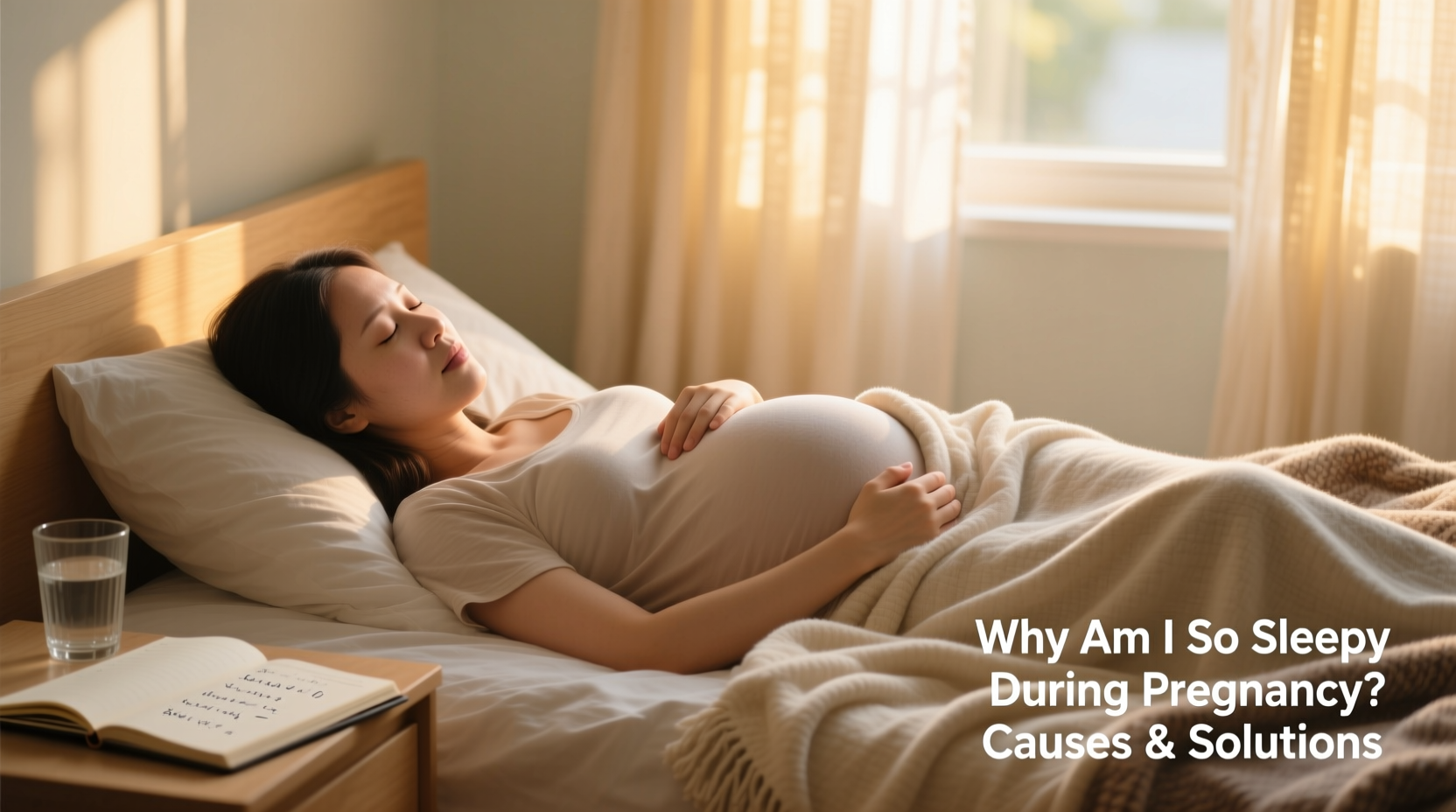
From the moment conception occurs, your body begins adapting at a cellular level. Hormonal shifts, metabolic demands, and physiological adjustments all contribute to increased tiredness. One of the primary culprits is progesterone, a hormone that rises sharply in early pregnancy. Progesterone has a sedative effect on the nervous system, which helps prepare the uterus for implantation but also slows down energy levels.
Beyond hormones, your cardiovascular system works harder. Blood volume increases by up to 50% to support the growing fetus, placing extra strain on the heart. At the same time, blood sugar and blood pressure levels may drop, especially in the first trimester, contributing to dizziness and low energy. Your metabolism also accelerates to fuel fetal development, burning calories faster than usual—even when you’re at rest.
“Fatigue in early pregnancy is not a sign of weakness—it’s a biological signal that the body is prioritizing the health of the developing baby.” — Dr. Lena Torres, OB-GYN and Perinatal Specialist
Key Causes of Sleepiness During Pregnancy
- Hormonal surges: Elevated progesterone and human chorionic gonadotropin (hCG) directly affect alertness.
- Increased metabolic rate: Your body burns more energy even at rest to support fetal growth.
- Anemia: Low iron levels reduce oxygen delivery to tissues, leading to persistent tiredness.
- Poor sleep quality: Frequent urination, back pain, nausea, or anxiety disrupt nighttime rest.
- Emotional stress: Mental load from planning, fear of complications, or work-life balance adds invisible fatigue.
- Nausea and vomiting: Morning sickness can lead to dehydration and poor nutrient intake, worsening exhaustion.
Practical Solutions to Manage Pregnancy Fatigue
While you can’t eliminate fatigue entirely, you can significantly reduce its impact with targeted lifestyle adjustments. The goal isn’t to push through exhaustion but to work with your body’s needs during this critical phase.
Optimize Nutrition for Sustained Energy
Eating small, frequent meals rich in complex carbohydrates, lean protein, and healthy fats stabilizes blood sugar and prevents energy crashes. Avoid large meals that divert blood to digestion, making you drowsier. Focus on iron-rich foods like spinach, lentils, and lean red meat to prevent anemia. Pair them with vitamin C sources (like bell peppers or oranges) to enhance iron absorption.
Prioritize Rest Without Guilt
Rest is not a luxury—it’s a necessity. If possible, take short naps (20–30 minutes) during the day. Longer naps may interfere with nighttime sleep, but even lying down with your feet up can recharge your system. Communicate your needs to family and employers. Many women benefit from adjusting work hours or delegating household tasks.
Stay Hydrated and Active
Dehydration worsens fatigue. Aim for 8–10 glasses of water daily, adjusting for activity or heat. Light physical activity—such as walking, prenatal yoga, or swimming—can actually boost energy by improving circulation and mood. Exercise increases endorphins and enhances sleep quality over time.
Tackle Sleep Disruptions
Use pillows strategically to support your belly, back, and legs while sleeping. Elevate your head slightly if acid reflux is an issue. Establish a calming bedtime routine: warm baths, reading, or gentle stretching can signal your body it’s time to wind down.
Do’s and Don’ts: Managing Energy Levels
| Do’s | Don’ts |
|---|---|
| Eat balanced snacks every 2–3 hours | Skip meals or rely on sugary snacks |
| Take short daytime rests | Push through extreme fatigue without rest |
| Engage in light daily movement | Perform high-intensity workouts without approval |
| Use supportive pillows at night | Sleep on your back in the second or third trimester |
| Discuss fatigue with your provider | Ignore signs of severe anemia or thyroid issues |
Real-Life Example: Maria’s Journey Through First-Trimester Fatigue
Maria, a 32-year-old project manager and first-time mom, found herself falling asleep at her desk just two hours into her workday during week eight of pregnancy. She initially worried something was wrong. After discussing her symptoms with her midwife, she learned her iron levels were borderline low and her progesterone was high—both normal but manageable. Her care team recommended a prenatal vitamin with iron, five mini-meals a day, and a 25-minute walk after lunch. Within two weeks, her energy improved noticeably. She began taking a 20-minute nap after work and adjusted her schedule to start later in the morning. By recognizing her limits and making small changes, Maria regained control of her days without sacrificing her health or job performance.
Step-by-Step Guide to Boosting Daily Energy
- Week 1: Assess your current routine. Log meals, sleep, activity, and energy levels each day.
- Week 2: Adjust diet—add protein and iron-rich foods, reduce processed sugars.
- Week 3: Introduce a 15–20 minute walk daily and establish a consistent bedtime routine.
- Week 4: Incorporate short rests and communicate needs at home or work.
- Ongoing: Monitor symptoms and consult your provider if fatigue worsens or is accompanied by dizziness, paleness, or shortness of breath.
Frequently Asked Questions
Is it normal to feel extremely tired in the first trimester?
Yes. Extreme fatigue in the first trimester is very common due to hormonal changes, increased metabolic demands, and the body building the placenta. Most women see improvement in energy levels during the second trimester.
When should I worry about pregnancy fatigue?
Seek medical advice if fatigue is debilitating, doesn’t improve with rest, or is accompanied by symptoms like rapid heartbeat, shortness of breath, or fainting. These could indicate anemia, thyroid dysfunction, or gestational diabetes.
Can lack of sleep during pregnancy harm the baby?
Chronic poor sleep isn’t directly harmful, but it can increase the risk of complications like preeclampsia or prolonged labor. Prioritizing rest supports both maternal well-being and fetal development.
Final Thoughts and Call to Action
Feeling sleepy during pregnancy is not a flaw—it’s a sign your body is doing exactly what it needs to grow a new life. Instead of fighting fatigue, learn to listen to it. Small, sustainable changes in nutrition, movement, and rest can transform how you experience each day. You don’t have to power through. You just need to care for yourself with intention and compassion.




 浙公网安备
33010002000092号
浙公网安备
33010002000092号 浙B2-20120091-4
Comments
No comments yet. Why don't you start the discussion?