
If you've been yawning through the afternoon, struggling to get out of bed in the morning, or nodding off during meetings, you're not alone. Persistent fatigue affects millions of people—and while it's easy to blame a busy schedule, chronic sleepiness often signals deeper issues. Understanding why you're so sleepy lately is the first step toward reclaiming your energy, focus, and overall well-being.
Sleepiness isn't just about not getting enough rest. It can stem from lifestyle habits, medical conditions, or psychological factors. The good news? Most causes are manageable with targeted changes. This guide breaks down the most common reasons for sudden or prolonged fatigue and offers science-backed strategies to help you feel more alert and alive.
Common Causes of Excessive Daytime Sleepiness
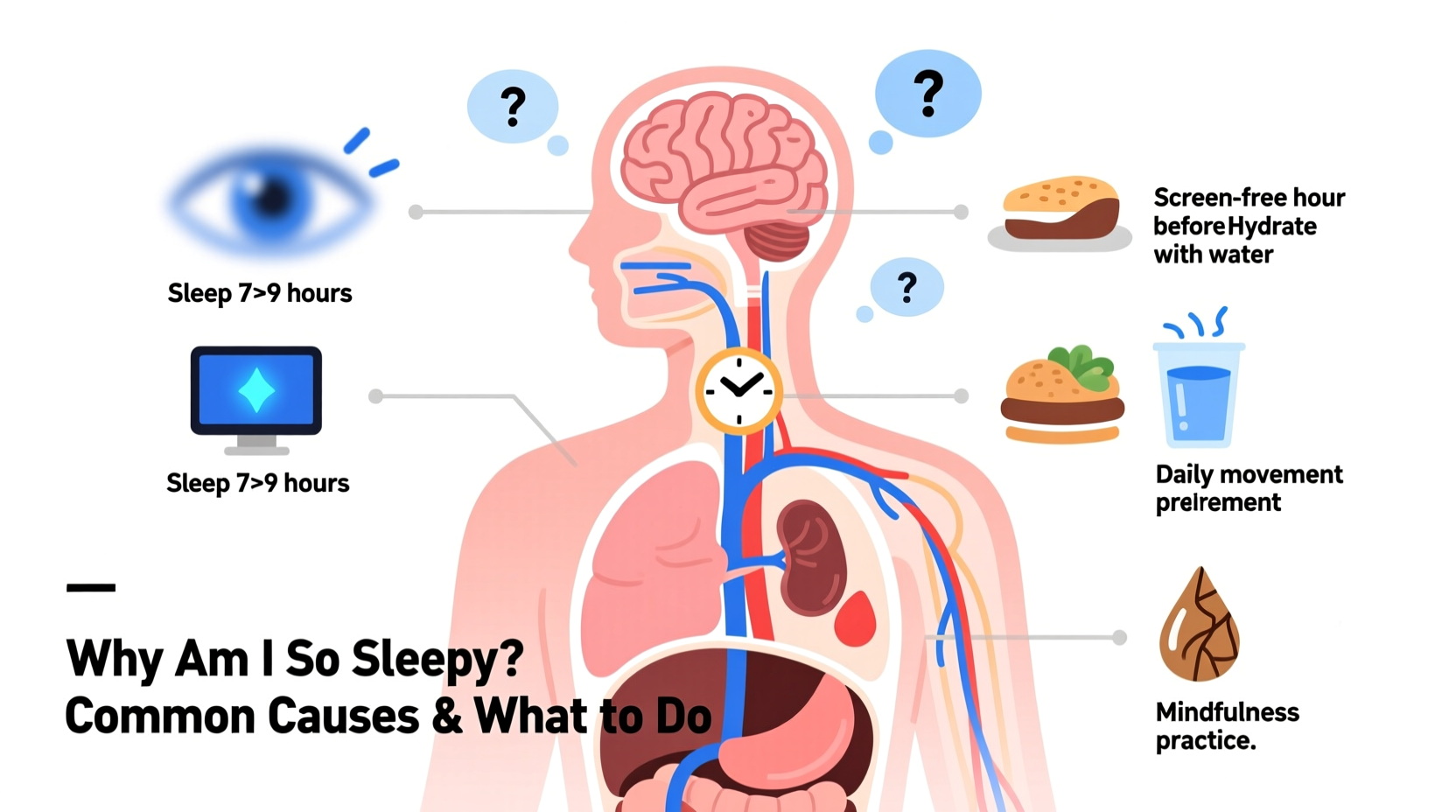
Before jumping to conclusions, it's important to recognize that fatigue is a symptom, not a diagnosis. Identifying the root cause requires evaluating both physical and behavioral patterns.
- Poor Sleep Quality: Even if you’re in bed for eight hours, frequent awakenings, sleep apnea, or restless leg syndrome can prevent deep, restorative sleep.
- Sleep Deprivation: Consistently cutting corners on sleep—common among professionals, parents, and students—leads to a growing “sleep debt” that impairs cognitive function and mood.
- Diet and Blood Sugar Fluctuations: High-sugar meals, skipping breakfast, or irregular eating patterns can cause energy crashes, especially in the mid-afternoon.
- Lack of Physical Activity: Sedentary lifestyles reduce circulation and oxygen flow, contributing to feelings of sluggishness.
- Mental Health Conditions: Depression, anxiety, and chronic stress are strongly linked to fatigue. In fact, excessive sleepiness is a common symptom of depression, even in individuals who sleep enough.
- Medical Conditions: Hypothyroidism, anemia, diabetes, heart disease, and chronic fatigue syndrome all list fatigue as a primary symptom.
- Medications: Antihistamines, antidepressants, blood pressure drugs, and some painkillers can induce drowsiness.
Hidden Sleep Disorders You Shouldn’t Ignore
Sometimes, the reason you're so sleepy has nothing to do with willpower or laziness—it’s a diagnosable sleep disorder. These conditions disrupt normal sleep architecture and leave you unrested despite adequate time in bed.
Obstructive Sleep Apnea (OSA)
This condition occurs when throat muscles relax during sleep, blocking the airway and causing breathing pauses. People with OSA may snore loudly, gasp for air at night, and wake up feeling unrefreshed. Left untreated, it increases risks for high blood pressure, stroke, and heart failure.
Narcolepsy
A neurological disorder affecting the brain’s ability to regulate sleep-wake cycles. Symptoms include sudden sleep attacks, cataplexy (loss of muscle control), and excessive daytime sleepiness—even after long nights of sleep.
Restless Legs Syndrome (RLS)
An irresistible urge to move the legs, usually in the evening or at night, disrupts sleep onset. RLS is often linked to iron deficiency or pregnancy.
“Up to 70% of people with sleep apnea remain undiagnosed. If you’re sleeping eight hours but still exhausted, a sleep study could be life-changing.” — Dr. Lena Patel, Board-Certified Sleep Specialist
What You Can Do: A Step-by-Step Action Plan
Improving your energy levels doesn’t require drastic overhauls. Start with small, consistent changes that build momentum over time.
- Optimize Your Sleep Schedule: Go to bed and wake up at the same time every day—even on weekends. This stabilizes your circadian rhythm and improves sleep quality.
- Create a Wind-Down Routine: Spend 30–60 minutes before bed doing calming activities like reading, stretching, or meditating. Avoid screens, which emit blue light that suppresses melatonin.
- Improve Your Sleep Environment: Keep your bedroom cool (60–67°F), dark, and quiet. Consider blackout curtains, white noise machines, or earplugs if needed.
- Limit Caffeine and Alcohol: Avoid caffeine after 2 p.m. and limit alcohol, which fragments sleep and reduces REM cycles.
- Eat Balanced Meals: Focus on whole grains, lean proteins, healthy fats, and fiber. Avoid heavy meals close to bedtime.
- Move Your Body Daily: Just 20–30 minutes of moderate exercise (like brisk walking) can enhance sleep quality and daytime alertness. Avoid intense workouts within three hours of bedtime.
- Address Stress: Chronic stress elevates cortisol, disrupting sleep and energy. Practice mindfulness, deep breathing, or talk therapy to manage emotional load.
When to See a Doctor: Red Flags to Watch For
While occasional tiredness is normal, certain symptoms warrant medical evaluation. Don’t dismiss these warning signs:
- Falling asleep during conversations or while driving
- Loud snoring with observed breathing pauses
- Persistent fatigue lasting more than two weeks despite good sleep
- Unexplained weight gain or cold intolerance (possible hypothyroidism)
- Pale skin, dizziness, or shortness of breath (possible anemia)
Your doctor may order blood tests (for thyroid, iron, vitamin B12, glucose), recommend a sleep study, or refer you to a specialist. Early diagnosis can prevent complications and significantly improve quality of life.
Lifestyle Checklist: Regain Your Energy in 7 Days
- ✅ Set a fixed bedtime and wake-up time
- ✅ Eliminate screens 1 hour before bed
- ✅ Drink water first thing in the morning
- ✅ Eat protein-rich breakfasts (e.g., eggs, Greek yogurt)
- ✅ Take a 10-minute walk after lunch
- ✅ Practice 5 minutes of deep breathing before sleep
- ✅ Cut out sugary snacks and soda
Real-Life Example: How Mark Reversed His Fatigue
Mark, a 42-year-old project manager, came to his doctor complaining of constant exhaustion. He was sleeping seven hours a night but woke up groggy and relied on three cups of coffee to function. Despite exercising regularly, he felt mentally foggy by 2 p.m.
After a sleep study, Mark was diagnosed with moderate obstructive sleep apnea. He started using a CPAP machine nightly. Within two weeks, his energy improved dramatically. He reduced caffeine, began eating balanced lunches, and reported better concentration and mood. “I didn’t realize how much I was missing until I actually felt rested,” he said.
Mark’s case illustrates how a single underlying condition can mimic general tiredness—and how proper treatment transforms daily life.
Do’s and Don’ts: Quick Reference Table
| Do’s | Don’ts |
|---|---|
| Go to bed and wake up at the same time daily | Use phones or tablets in bed |
| Get natural sunlight within 30 minutes of waking | Consume caffeine after 2 p.m. |
| Eat regular, balanced meals with protein and fiber | Skimp on dinner or eat large meals late at night |
| Take short walks during work breaks | Sit for more than 90 minutes without moving |
| See a doctor if fatigue persists beyond 2 weeks | Self-diagnose or ignore persistent symptoms |
Frequently Asked Questions
Can dehydration make me feel sleepy?
Yes. Even mild dehydration reduces blood volume and oxygen delivery to the brain, leading to fatigue, headaches, and poor concentration. Aim for at least 8 cups of water daily, more if active.
Is it normal to feel sleepy after lunch?
A slight dip in alertness around 1–3 p.m. is natural due to circadian rhythms. However, severe post-lunch crashes often result from high-carb meals or poor sleep. Opt for protein and vegetables instead of heavy pasta or sweets.
How long does it take to fix chronic fatigue?
It varies. Lifestyle changes can yield improvements in 1–2 weeks. Medical conditions may take longer to diagnose and treat. Consistency is key—small habits compound into lasting energy gains.
Take Control of Your Energy Today
Feeling sleepy lately doesn’t have to become your new normal. Whether it’s adjusting your bedtime routine, improving your diet, or seeking medical advice, every action you take moves you closer to sustained energy and mental clarity. Fatigue is a signal—not a sentence. Listen to your body, make informed choices, and don’t hesitate to seek help when needed.




 浙公网安备
33010002000092号
浙公网安备
33010002000092号 浙B2-20120091-4
Comments
No comments yet. Why don't you start the discussion?