
Returning home from work only to collapse on the couch, too exhausted to cook, exercise, or even engage with loved ones, is a reality for millions. This post-work fatigue isn’t just about long hours—it’s often the result of complex physical, mental, and emotional factors. Understanding the root causes is the first step toward meaningful recovery. From cognitive overload to poor sleep hygiene and sedentary lifestyles, this article breaks down the most common reasons behind your exhaustion and provides actionable strategies to reclaim your energy.
The Hidden Causes of Post-Work Fatigue
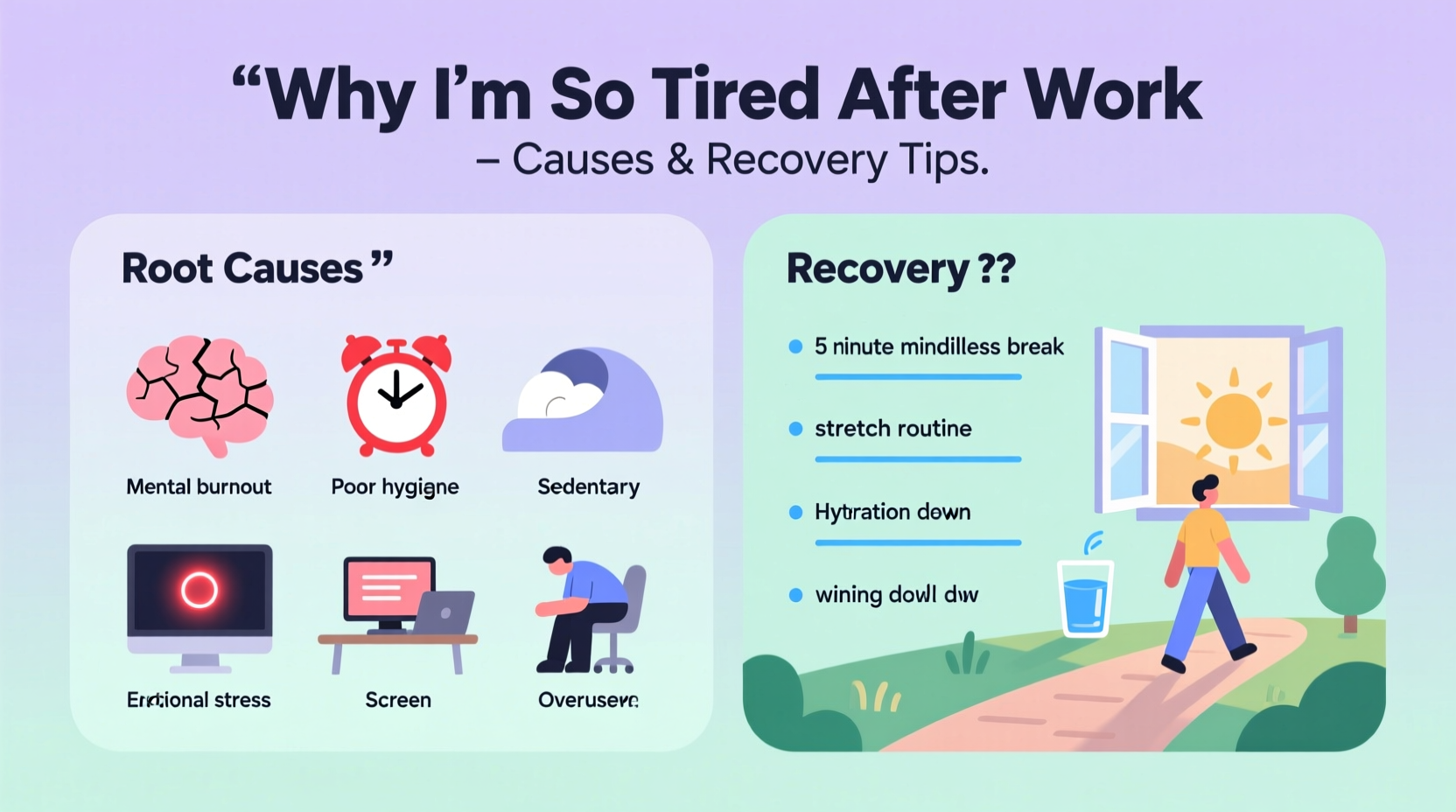
Fatigue after work isn't always proportional to physical labor. Many people in desk-based or mentally demanding roles experience profound tiredness despite minimal movement. The modern workplace—filled with back-to-back meetings, constant notifications, and high-pressure deadlines—can deplete mental resources rapidly.
One major contributor is decision fatigue. Every choice, from responding to an email to prioritizing tasks, consumes glucose and mental energy. Neuroscientist Dr. Matthew D. Lieberman notes that “the prefrontal cortex, responsible for decision-making, operates like a muscle—it fatigues with overuse.” By the end of the day, this mental strain accumulates, leading to what feels like total depletion.
Another overlooked factor is chronic low-grade stress. Even if you don’t feel anxious, elevated cortisol levels due to job pressure can disrupt energy regulation. Over time, this leads to adrenal fatigue-like symptoms: persistent tiredness, difficulty concentrating, and low motivation.
Physical and Environmental Triggers
Your physical environment at work plays a significant role in how drained you feel by evening. Poor lighting, especially lack of natural sunlight, can disrupt circadian rhythms and suppress serotonin production. Similarly, inadequate ventilation leads to higher CO₂ levels, which studies show impair cognitive function and increase drowsiness.
Sedentary behavior is another key culprit. Sitting for prolonged periods reduces blood flow, lowers metabolic rate, and contributes to muscle stiffness—all of which amplify feelings of lethargy. A 2023 study published in the Journal of Occupational Health Psychology found that employees who sat more than six hours a day reported 40% higher post-work fatigue than those who incorporated regular movement.
Diet also matters. Relying on quick, processed lunches high in refined carbohydrates causes blood sugar spikes followed by crashes—often right before afternoon meetings. This rollercoaster leaves you feeling sluggish and unfocused by mid-afternoon.
“Energy isn’t just about sleep—it’s a product of how we move, eat, think, and recover throughout the day.” — Dr. Lena Patel, Integrative Wellness Physician
Recovery Strategies That Actually Work
Reversing post-work exhaustion requires a multi-pronged approach. Recovery isn’t passive; it involves intentional habits that restore both body and mind. Below are evidence-based methods to rebuild your stamina and resilience.
1. Prioritize Movement During the Day
Even five minutes of walking every hour can reset your nervous system. Set a timer to stand, stretch, or walk around the office. Consider using a standing desk or taking walking meetings when possible.
2. Optimize Your Commute for Transition
Your commute doesn’t have to be dead time. Use it as a buffer between work and home. Listen to calming music, practice mindful breathing, or leave earlier to avoid rush-hour stress. This psychological separation helps prevent work stress from bleeding into personal time.
3. Rebalance Your Evening Routine
Many people unwind by scrolling through social media or watching intense shows, but these activities stimulate rather than relax the brain. Instead, adopt a recovery-first routine: light stretching, journaling, reading fiction, or preparing a nourishing meal.
Do’s and Don’ts of Energy Management
| Do | Don’t |
|---|---|
| Take short walks during breaks | Skip lunch or eat at your desk |
| Hydrate consistently (water, herbal tea) | Rely on energy drinks or excessive coffee |
| Set a hard stop time for work | Check emails during dinner or before bed |
| Practice deep breathing for 5 minutes | Scroll social media immediately upon arriving home |
Step-by-Step Evening Recovery Plan
If you’re consistently wiped out by 6 PM, follow this structured recovery timeline to reset your energy baseline within two weeks.
- 5:30–6:00 PM – Commute Mindfully: Turn off work notifications. Listen to a podcast or music that calms or uplifts you.
- 6:00–6:15 PM – Change Clothes & Reset: Swap work attire for comfortable clothing. This small ritual signals the brain that work is done.
- 6:15–6:30 PM – Hydrate & Snack Smart: Drink a glass of water and eat a protein-rich snack (e.g., nuts, yogurt) to stabilize blood sugar.
- 6:30–7:00 PM – Move Gently: Do 10 minutes of stretching, yoga, or a short walk outside.
- 7:00–7:30 PM – Digital Detox: Avoid all screens. Write in a journal, meditate, or chat with family.
- 7:30+ PM – Prepare Dinner & Wind Down: Cook a balanced meal with lean protein, vegetables, and complex carbs. Keep the atmosphere relaxed.
Real-Life Example: Recovering from Mental Burnout
Sarah, a 34-year-old project manager in tech, used to come home so drained she’d fall asleep on the couch by 7:30 PM. Despite sleeping eight hours, she felt no better the next day. After consulting a wellness coach, she realized her days were packed with Zoom calls, reactive problem-solving, and constant context-switching—classic signs of cognitive overload.
She implemented micro-breaks every 90 minutes, started walking during phone calls, and set a strict rule: no work emails after 6:15 PM. Within three weeks, her energy improved dramatically. She began cooking dinner, resumed her book club, and even started training for a half-marathon. Her transformation wasn’t about working less—it was about recovering better.
FAQ: Common Questions About Post-Work Fatigue
Is it normal to feel extremely tired after work?
Occasional fatigue is normal, especially after intense projects. However, consistent exhaustion that interferes with personal life may indicate burnout, poor sleep quality, or underlying health issues like anemia or thyroid dysfunction. If fatigue persists beyond rest and lifestyle changes, consult a healthcare provider.
Can mental work cause physical tiredness?
Yes. Mental labor activates the central nervous system and increases metabolic demand in the brain. Prolonged focus, emotional regulation, and multitasking trigger physiological stress responses that manifest as physical fatigue, including muscle tension, headaches, and low energy.
How much recovery time should I plan after work?
There’s no universal answer, but aim for at least 60–90 minutes of screen-free, low-demand activity to transition from work mode. Quality matters more than quantity—focused recovery (like mindfulness or light movement) is more effective than passive scrolling.
Conclusion: Reclaim Your Energy and Your Life
Feeling tired after work doesn’t have to be your default state. By identifying the real causes—mental strain, poor routines, environmental stressors—and applying targeted recovery strategies, you can break the cycle of exhaustion. Small, consistent changes compound: a five-minute walk, a better lunch, a digital sunset. These aren’t luxuries—they’re essential investments in your well-being.
You deserve to come home with enough energy to live, not just survive. Start tonight. Choose one tip from this article and put it into practice. Track how you feel over the next week. Share your experience, challenges, or wins in the comments—your journey could inspire someone else to do the same.




 浙公网安备
33010002000092号
浙公网安备
33010002000092号 浙B2-20120091-4
Comments
No comments yet. Why don't you start the discussion?