
Tears are one of the most human responses we have. They can signal joy, grief, frustration, or relief. Yet for many, crying feels like a weakness—something to be suppressed, hidden, or apologized for. If you've ever asked yourself, \"Why am I such a crybaby?\" you're not alone. This question often comes from a place of self-doubt, but it can also be the first step toward deeper emotional awareness. Far from being a flaw, frequent crying may actually reflect emotional intelligence, empathy, and an honest relationship with your inner world.
Understanding why you cry so easily isn't about fixing yourself—it's about listening to what your emotions are trying to tell you. Emotions are messengers. When tears come quickly, they may be signaling unresolved stress, high sensitivity, or a nervous system that’s finely tuned to internal and external stimuli. Instead of judging this response, exploring its roots can lead to greater self-acceptance and resilience.
The Science Behind Emotional Tears
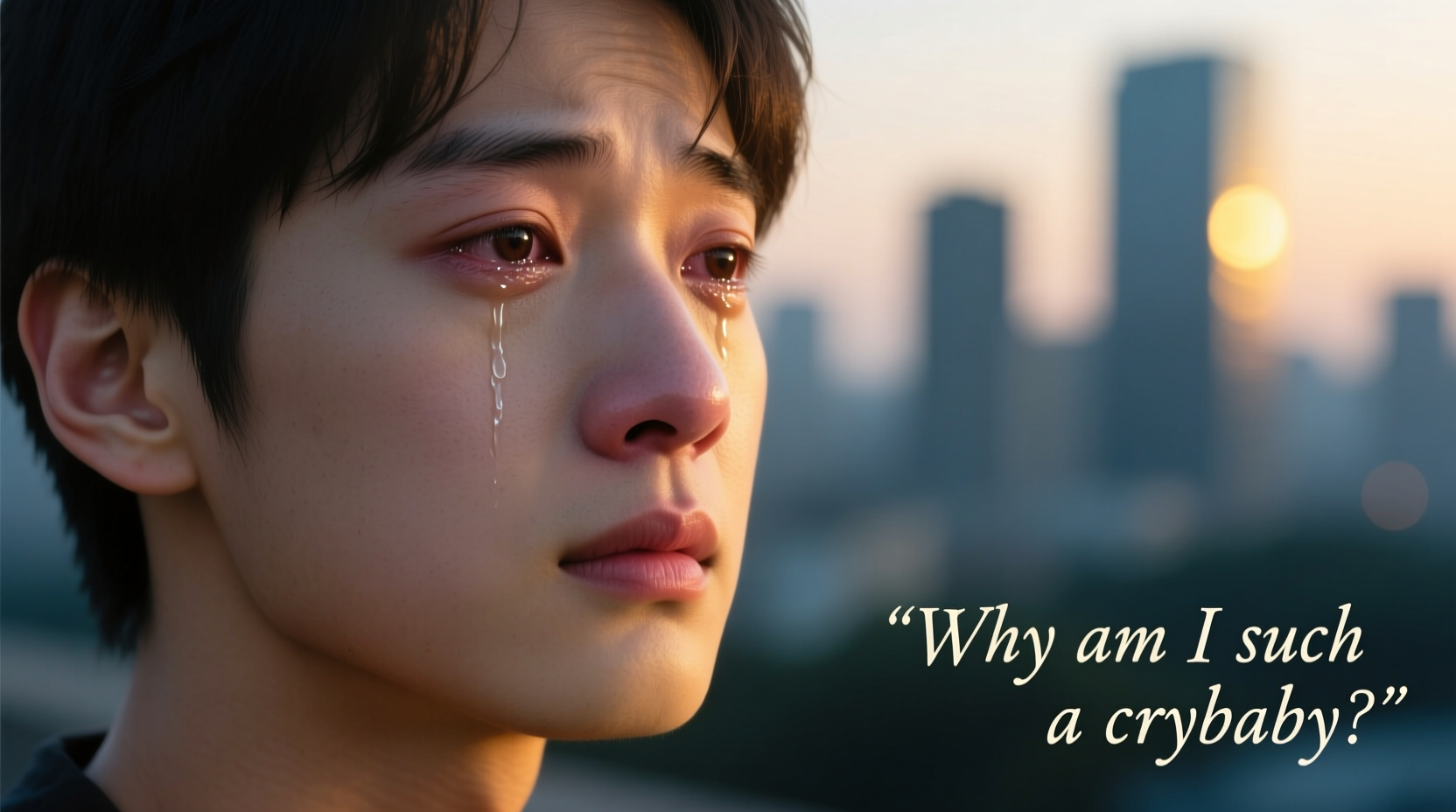
Not all tears are the same. Scientists distinguish between three types: basal (for eye lubrication), reflex (in response to irritants like smoke), and emotional tears. Emotional tears contain higher levels of stress hormones like cortisol and leucine enkephalin, a natural painkiller. This suggests that crying may serve a biological purpose: releasing built-up tension and restoring emotional balance.
Research shows that people who cry regularly during emotionally charged moments often report feeling better afterward—a phenomenon known as catharsis. However, cultural conditioning often discourages crying, especially in men or professional settings. This suppression can lead to emotional bottling, which over time contributes to anxiety, burnout, or even physical symptoms like headaches and fatigue.
“Crying is not a sign of weakness but of neurochemical regulation. It’s one of the body’s ways of recalibrating after emotional arousal.” — Dr. Lauren Bylsma, Clinical Psychologist and Emotion Research Specialist
Highly Sensitive People and Emotional Responsiveness
If you cry easily, you might identify as a highly sensitive person (HSP). Psychologist Dr. Elaine Aron estimates that 15–20% of the population fall into this category. HSPs process sensory data more deeply, feel emotions more intensely, and are more affected by others’ moods and environmental stimuli.
Being highly sensitive isn’t a disorder—it’s a personality trait linked to increased empathy, creativity, and perceptiveness. But in a world that often values stoicism and speed, HSPs may feel out of sync. They may be labeled “too emotional” or “overreacting,” when in fact, their nervous systems are simply more attuned.
Common Triggers of Frequent Crying
Crying isn’t random. It’s usually triggered by specific emotional or physiological states. Recognizing these patterns is key to understanding your emotional landscape.
- Stress and overwhelm: Chronic stress lowers emotional thresholds, making tears more likely during minor frustrations.
- Unresolved past experiences: Old wounds, especially from childhood, can resurface during seemingly unrelated emotional moments.
- Hormonal fluctuations: Menstruation, pregnancy, postpartum periods, or thyroid imbalances can heighten emotional reactivity.
- Empathy overload: Witnessing others’ pain—especially in media or personal relationships—can trigger deep emotional responses.
- Lack of emotional validation: When feelings aren’t acknowledged, they may build up until they surface as tears.
Mini Case Study: Maya’s Emotional Awakening
Maya, a 32-year-old project manager, grew up believing that crying at work was unacceptable. After years of suppressing emotions, she began experiencing unexplained bouts of tears during team meetings. Initially embarrassed, she sought therapy and discovered that her crying wasn’t about the meetings at all—it was tied to unresolved grief over her father’s death five years earlier. Once she began processing her loss through counseling and expressive writing, the frequency of her tears decreased, and she felt more emotionally grounded.
Her story illustrates that crying is often less about the present moment and more about what hasn’t been fully felt or released.
Do’s and Don’ts of Managing Emotional Sensitivity
| Do’s | Don’ts |
|---|---|
| Pause and name your emotion (\"I feel sad,\" \"I’m overwhelmed\") | Shame yourself for crying (\"I’m so weak\") |
| Breathe slowly to calm your nervous system | Isolate yourself immediately after crying |
| Seek safe spaces to express emotions (therapy, trusted friends) | Force yourself to \"toughen up\" without addressing root causes |
| Practice self-compassion through affirmations or journaling | Assume everyone else handles emotions better than you |
A Step-by-Step Guide to Understanding Your Tears
- Notice the trigger: What happened right before you started crying? Was it a comment, memory, or physical sensation?
- Pause and breathe: Take three slow breaths. This helps interrupt the fight-or-flight response and creates space between stimulus and reaction.
- Name the emotion: Are you sad, frustrated, touched, overwhelmed? Naming emotions reduces their intensity.
- Ask: What does this feeling need? Sometimes the answer is rest, connection, expression, or acknowledgment.
- Respond with care: Drink water, step outside, call a friend, or write in a journal. Meet your emotion with kindness, not judgment.
When Crying Signals Something Deeper
While occasional crying is healthy, sudden changes in emotional expression—such as uncontrollable tears, numbness, or persistent sadness—may indicate underlying conditions like depression, anxiety, or hormonal disorders. Persistent tearfulness that interferes with daily functioning warrants professional support.
It’s important to distinguish between emotional sensitivity and clinical distress. Sensitivity enhances life; depression drains it. If you’re losing interest in activities, struggling with sleep, or feeling hopeless, reach out to a mental health provider. Therapy, medication, or lifestyle adjustments can make a profound difference.
Frequently Asked Questions
Is crying too much a sign of mental illness?
Not necessarily. Frequent crying can be part of a sensitive temperament or a response to stress. However, if crying is accompanied by hopelessness, fatigue, or disconnection, it could indicate depression or another condition. Context matters.
Can I become less of a crybaby?
You can learn to regulate your emotional responses through mindfulness, therapy, and nervous system regulation techniques. But consider whether the goal should be suppression—or healthier expression. Many people find peace not in crying less, but in accepting their tears as valid.
Why do I cry when I get angry?
This is common. Anger and sadness often coexist. Tears during anger may signal helplessness, frustration, or a need to be heard. It doesn’t mean you’re weak—it means your emotions are complex and layered.
Building Emotional Resilience Without Suppressing Tears
True emotional strength isn’t the absence of tears—it’s the ability to feel deeply and still move forward. Resilience includes allowing yourself to grieve, be moved, and express vulnerability without shame. Think of emotional regulation not as control, but as compassionate navigation.
Practices like mindfulness meditation, somatic exercises, and cognitive reframing help you stay present with emotions without being overwhelmed by them. Over time, you may still cry—but with greater awareness and less distress.
“Emotional maturity isn’t about never crying. It’s about knowing that tears don’t make you broken—they make you human.” — Dr. Tara Brach, Psychologist and Mindfulness Teacher
Conclusion: Honor Your Tears, Trust Yourself
Asking “Why am I such a crybaby?” can open a door to self-discovery. Your tears are not a flaw to correct but a language to understand. In a culture that often equates strength with silence, choosing to listen to your emotions is an act of courage.
Start today by replacing judgment with curiosity. The next time you feel tears rising, pause and ask gently: *What are you trying to tell me?* You might be surprised by the wisdom waiting beneath the surface.




 浙公网安备
33010002000092号
浙公网安备
33010002000092号 浙B2-20120091-4
Comments
No comments yet. Why don't you start the discussion?