
Waking up or going about your day only to suddenly vomit—without any clear explanation—can be alarming. You might not have eaten anything unusual, feel otherwise healthy, and yet the nausea strikes without warning. While occasional vomiting can result from minor issues, recurring or unexplained episodes warrant attention. Understanding the potential causes, recognizing red flags, and knowing how to respond can make a significant difference in managing your symptoms and preventing complications.
Common Causes of Unexplained Vomiting
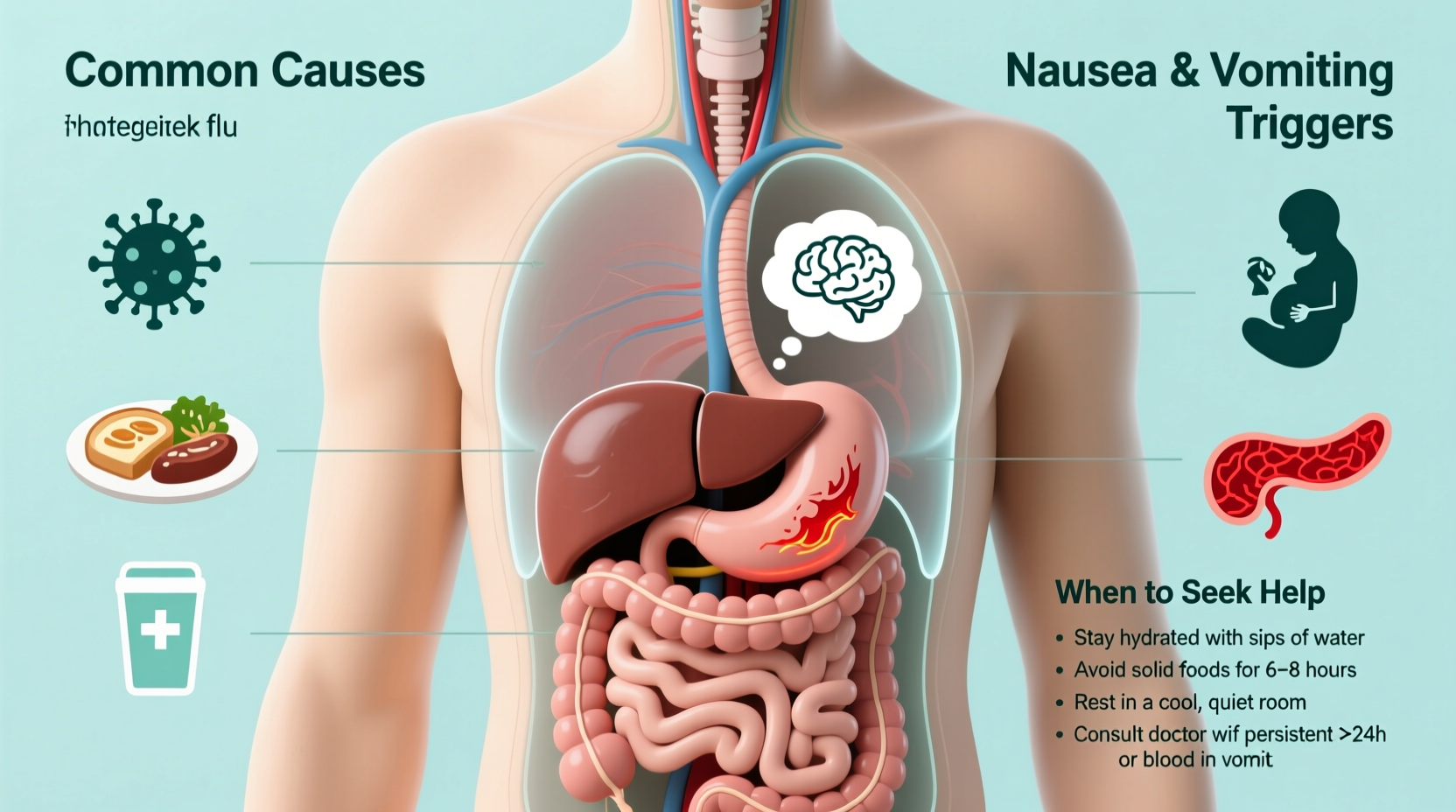
Vomiting \"for no reason\" often has an underlying cause that isn’t immediately obvious. The digestive system is sensitive and interconnected with many other bodily systems, including hormonal, neurological, and psychological functions. Below are some of the most frequent explanations for sudden or recurrent vomiting without an apparent trigger.
- Gastrointestinal disorders: Conditions like gastritis, acid reflux (GERD), or irritable bowel syndrome (IBS) can cause nausea and vomiting without diarrhea or fever.
- Food sensitivities or intolerances: Even if you don’t react every time, foods like dairy, gluten, or certain additives may trigger delayed nausea.
- Hormonal fluctuations: Women may experience nausea due to menstrual cycles, pregnancy (even before a missed period), or perimenopause.
- Medication side effects: Antibiotics, painkillers, antidepressants, and even supplements like iron or vitamin C in high doses can induce vomiting.
- Migraines: Vestibular or abdominal migraines can present primarily with nausea and vomiting, especially in children and young adults.
- Anxiety and stress: The gut-brain axis means emotional distress can manifest physically, leading to nausea and vomiting.
- Cyclic vomiting syndrome (CVS): A condition marked by repeated, sudden episodes of intense nausea and vomiting lasting hours or days, followed by symptom-free periods.
- Inner ear disturbances: Issues like vertigo or labyrinthitis disrupt balance and often trigger nausea.
“Many patients come in convinced they’ve eaten something bad, but after evaluation, we find the culprit is stress, a medication interaction, or a neurological pattern.” — Dr. Lena Patel, Gastroenterologist
When to Seek Medical Attention
While isolated vomiting may resolve on its own, certain signs indicate a need for prompt medical evaluation. Ignoring these symptoms could delay diagnosis of serious conditions such as appendicitis, pancreatitis, brain tumors, or intestinal blockages.
Red Flags Requiring Immediate Care
| Symptom | Potential Concern |
|---|---|
| Severe abdominal pain | Appendicitis, gallstones, bowel obstruction |
| Vomiting blood or material resembling coffee grounds | Gastrointestinal bleeding |
| Inability to keep fluids down for over 24 hours | Dehydration, electrolyte imbalance |
| Stiff neck, high fever, confusion | Meningitis or encephalitis |
| Head injury preceding vomiting | Concussion or increased intracranial pressure |
| Weight loss, fatigue, jaundice | Liver or pancreatic disease |
What to Do When Vomiting Strikes Unexpectedly
Immediate self-care can reduce discomfort and prevent dehydration. The goal is to rest the stomach, rehydrate gradually, and identify possible triggers.
- Stop eating temporarily: Give your digestive tract a break for 1–2 hours after vomiting.
- Sip small amounts of clear fluids: Water, oral rehydration solutions, or diluted apple juice every 15 minutes.
- Avoid lying flat: Sit upright or recline at a 30-degree angle to reduce reflux risk.
- Gradually reintroduce bland foods: After 6–8 hours without vomiting, try toast, rice, bananas, or applesauce (BRAT diet).
- Rest: Physical activity can worsen nausea; lie quietly in a well-ventilated room.
Natural Relief Strategies
- Peppermint or ginger tea – both have anti-nausea properties.
- Acupressure wristbands (like those used for motion sickness).
- Deep breathing exercises to calm the nervous system.
- Avoid strong odors, heat, or stuffy environments.
Case Study: Recurrent Morning Vomiting Without Cause
Sarah, a 29-year-old graphic designer, began experiencing vomiting every Monday morning for three weeks. She wasn’t pregnant, had normal blood work, and didn’t report weekend overeating. Upon further discussion, she revealed extreme anxiety about weekly team meetings. Her vomiting never occurred on weekends or holidays. A therapist diagnosed her with stress-induced nausea exacerbated by anticipatory anxiety. With cognitive behavioral therapy (CBT) techniques and scheduled morning mindfulness routines, Sarah’s episodes stopped within a month.
This case illustrates how psychological factors can manifest as physical symptoms—even severe ones—without structural illness. It also highlights the importance of considering lifestyle and emotional health in diagnosis.
Step-by-Step Guide: Responding to Unexplained Vomiting
- Pause and assess: Note the timing, frequency, and associated symptoms.
- Hydrate slowly: Sip 1–2 tablespoons of fluid every 10–15 minutes.
- Eliminate irritants: Avoid caffeine, alcohol, spicy foods, and strong smells.
- Monitor for red flags: Watch for signs of dehydration (dry mouth, dark urine, dizziness).
- Keep a log: Record meals, sleep, stress, medications, and vomiting episodes.
- Consult a doctor: If vomiting persists beyond 48 hours or recurs frequently.
- Follow up with testing: Blood work, ultrasound, endoscopy, or referral to a specialist if needed.
Frequently Asked Questions
Can stress really make me vomit?
Yes. The vagus nerve connects the brain and gut, allowing emotional stress to trigger physical responses like nausea and vomiting. Chronic anxiety or acute panic attacks often lead to gastrointestinal symptoms, even without pre-existing digestive conditions.
Is it normal to vomit once and feel fine afterward?
Occasional vomiting—especially after a large meal, alcohol consumption, or mild stomach bug—is usually not concerning if it resolves quickly and doesn’t recur. However, if it happens repeatedly without explanation, further investigation is warranted.
Could this be cyclic vomiting syndrome?
If you experience distinct episodes of intense vomiting lasting hours to days, separated by symptom-free intervals, CVS is a possibility. It’s more common in children but affects adults too, often linked to migraines or mitochondrial dysfunction. Diagnosis requires ruling out other causes and identifying a cyclical pattern.
Checklist: What to Track When Vomiting Occurs
- 📅 Date and time of episode
- 🍽️ Last meal: what, when, and portion size
- 💊 Medications or supplements taken that day
- 😰 Stress level (on a scale of 1–10)
- 🤒 Other symptoms: headache, fever, pain, dizziness
- 🚽 Frequency and volume of vomiting
- 🛌 Sleep quality the night before
- 🤰 For women: menstrual cycle phase or pregnancy status
Conclusion
Unexplained vomiting is rarely truly random. While it can stem from benign and temporary causes, it may also signal an underlying condition requiring medical insight. By paying attention to patterns, practicing immediate care strategies, and seeking professional guidance when necessary, you regain control over your health. Don’t dismiss repeated episodes as “just stress” or “something I ate”—your body is communicating something important.




 浙公网安备
33010002000092号
浙公网安备
33010002000092号 浙B2-20120091-4
Comments
No comments yet. Why don't you start the discussion?