
Morning headaches are more than just an inconvenience—they can disrupt your entire day, cloud your focus, and leave you searching for answers before you’ve even had coffee. While occasional headaches upon waking may seem normal, recurring ones signal that something in your nighttime routine or physical environment needs attention. Two of the most common yet often overlooked culprits? Dehydration and poor pillow quality. Though they originate from very different sources—one physiological, the other mechanical—both can manifest in nearly identical symptoms: dull pressure, tightness at the base of the skull, or even full-blown tension-type headaches.
Understanding which factor is affecting you isn’t just about comfort—it’s about long-term health. Chronic dehydration can strain your cardiovascular system and impair cognitive function, while using an unsupportive pillow can lead to chronic neck pain, spinal misalignment, and sleep disruption. This article breaks down both possibilities, compares their mechanisms, and equips you with actionable strategies to identify and resolve the root cause of your morning headaches.
The Role of Dehydration in Morning Headaches
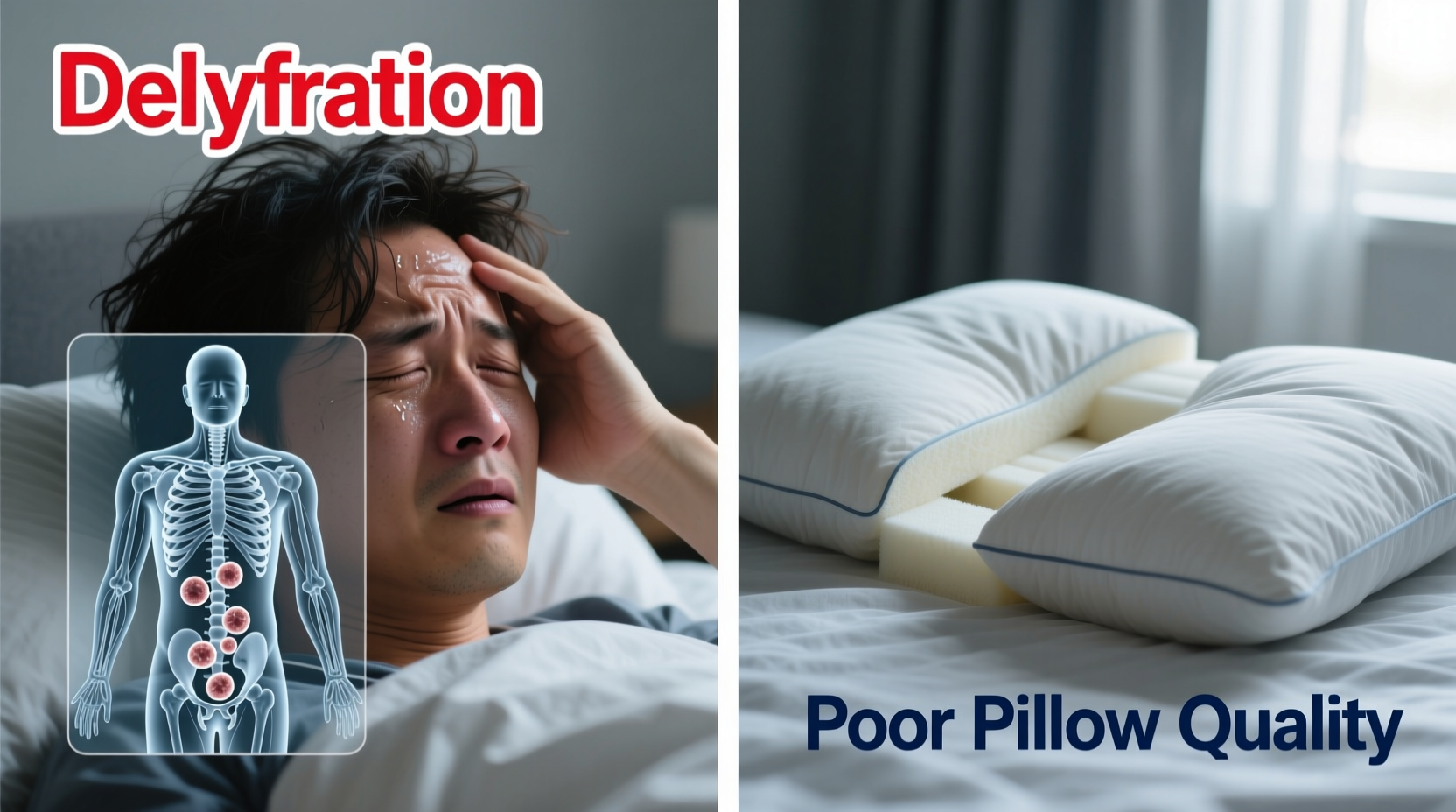
Your body loses water continuously throughout the night—not just through breathing but also via subtle perspiration, especially if your room is warm or you’re covered in heavy bedding. Without replenishing fluids after dinner or before bed, this overnight fluid loss can tip your body into mild dehydration by morning. Even a 1–2% reduction in total body water can trigger physiological responses that result in headaches.
When dehydrated, blood volume decreases slightly, causing the brain to temporarily contract or shrink from fluid loss. This pulls the brain away from the skull, activating pain-sensitive nerves and resulting in what’s known as a dehydration headache. These headaches are typically described as throbbing or pulsating and often worsen with movement, standing up quickly, or exposure to bright light.
Certain lifestyle habits increase your risk of nocturnal dehydration. Consuming alcohol in the evening is one of the biggest contributors, as it suppresses antidiuretic hormone (ADH), leading to increased urine production and faster fluid loss. Similarly, high-sodium meals late at night, sleeping in dry or overheated rooms, and conditions like sleep apnea (which forces mouth breathing) all accelerate dehydration during sleep.
“Dehydration headaches are among the most preventable types we see. Often, simply adjusting fluid intake timing and quantity can eliminate them entirely.” — Dr. Lena Torres, Neurologist & Sleep Specialist
How Pillow Quality Affects Head and Neck Alignment
If hydration isn’t the issue, your pillow might be. The right pillow supports the natural curve of your cervical spine—the part of your spine that runs through your neck. When this alignment is disrupted due to an overly flat, too thick, or excessively soft pillow, muscles in the neck and upper back remain strained throughout the night. This prolonged muscle tension is a classic pathway to tension headaches, the most common type of headache disorder.
Pillows that fail to support proper spinal alignment create uneven pressure points. For example, side sleepers who use thin pillows may find their head tilting downward, compressing nerves and restricting blood flow. Back sleepers using overly fluffy pillows often experience forward head posture, increasing load on the neck extensors. Over time, this micro-trauma accumulates, leading to stiffness and pain that surfaces upon waking.
Material matters, too. Memory foam offers firm contouring but may retain heat; feather pillows conform well but collapse too easily for consistent support; latex provides durability and responsiveness but can be too firm for some. The ideal choice depends on your sleeping position, body size, and personal comfort preferences.
Signs Your Pillow Is Causing Your Headache
- You wake up with stiffness specifically in the neck or shoulders
- The headache improves within an hour of stretching or moving around
- Pain is localized to one side, matching your preferred sleep side
- You frequently adjust your pillow during the night
- Your pillow is older than 18–24 months
Dehydration vs. Pillow Quality: A Comparative Breakdown
Distinguishing between dehydration-related and pillow-induced headaches requires careful observation of symptom patterns, timing, and response to interventions. Below is a comparison table summarizing key differences:
| Factor | Dehydration Headache | Pillow-Induced Headache |
|---|---|---|
| Onset Timing | Upon waking, often intensifies before hydration | Gradual onset during sleep; noticeable upon waking |
| Pain Type | Throbbing, generalized across forehead or temples | Dull ache, often starting at base of skull or one side of head |
| Relief Method | Drinking water usually reduces symptoms within 30–60 minutes | Stretches, heat application, or changing pillow position helps |
| Associated Symptoms | Dry mouth, dark urine, fatigue, dizziness | Neck stiffness, shoulder tension, reduced range of motion |
| Frequency Pattern | More common after alcohol consumption or salty dinners | Consistent daily occurrence, regardless of diet |
Step-by-Step Guide to Diagnose and Resolve Your Morning Headache
Since both dehydration and poor pillow support are highly treatable, a structured approach can help you pinpoint the true cause without guesswork. Follow this five-day diagnostic plan:
- Day 1: Hydration Reset
Drink at least 2 liters of water evenly spaced throughout the day. Have one glass before bed and another immediately upon waking. Avoid alcohol and excess salt. Note any change in morning symptoms. - Day 2: Pillow Isolation Test
Sleep with a rolled towel placed vertically behind your neck while lying on your back. This makeshift support tests whether improved alignment eases symptoms. Do not change hydration habits. - Days 3–4: Combined Optimization
Use a supportive pillow suited to your sleep position and maintain optimal hydration. Track headache presence, intensity, and associated symptoms each morning. - Day 5: Elimination Check
If headaches persist despite both interventions, consider other factors such as bruxism (teeth grinding), sleep apnea, or underlying medical conditions. Consult a healthcare provider.
This method allows you to isolate variables and observe outcomes systematically. Many people discover that both factors were contributing—mild dehydration exacerbating postural strain, for instance—making dual correction essential.
Real-Life Example: Sarah’s Morning Relief Journey
Sarah, a 34-year-old project manager, had been waking up with headaches three to four times a week for over six months. She initially assumed stress was the cause, but over-the-counter painkillers only offered temporary relief. After reading about dehydration headaches, she started tracking her water intake and realized she rarely drank anything after 7 p.m. and often consumed wine with dinner.
She began drinking an extra 500ml of water in the evening and switched to herbal tea on weekdays. Within two days, her headaches decreased in frequency. But they didn’t disappear completely. Noticing persistent neck stiffness, she evaluated her pillow—a plush down model she’d used for three years. Replacing it with a medium-firm memory foam pillow designed for side sleepers eliminated the remaining discomfort.
Today, Sarah reports zero morning headaches. Her case illustrates how overlapping factors can coexist and why addressing both hydration and ergonomics delivers the best results.
Prevention Checklist: Stop Morning Headaches Before They Start
Use this checklist nightly to reduce your risk of waking up with a headache:
- ✅ Drink at least 1.5–2 liters of water during the day
- ✅ Limit alcohol and caffeine after 4 p.m.
- ✅ Reduce sodium intake in evening meals
- ✅ Use a pillow that keeps your head aligned with your spine
- ✅ Replace your pillow every 18–24 months
- ✅ Keep bedroom temperature between 60–67°F (15–19°C)
- ✅ Consider a humidifier if air feels dry, especially in winter
- ✅ Practice gentle neck stretches before bed
Frequently Asked Questions
Can I have both dehydration and pillow-related headaches at the same time?
Yes. In fact, many people do. Dehydration lowers your threshold for pain, meaning minor postural strain from a poor pillow can become a full headache more easily. Addressing both issues often yields better results than focusing on one alone.
How much water should I drink before bed to avoid dehydration headaches?
One 8-ounce (240ml) glass about 60–90 minutes before sleeping is sufficient. Drinking too close to bedtime may cause disruptive nighttime urination. Focus more on consistent daytime hydration rather than last-minute intake.
What’s the best pillow type for preventing headaches?
There’s no universal “best,” but supportive materials like memory foam, latex, or adjustable shredded foam tend to work well. Side sleepers generally need thicker pillows, back sleepers benefit from medium loft, and stomach sleepers should use thin or orthopedic pillows to avoid excessive neck extension.
Expert Insight: The Connection Between Sleep Environment and Head Pain
“The sleep environment is a silent influencer of neurological health. Minor imbalances—like a 2% fluid deficit or a half-inch discrepancy in pillow height—can accumulate into daily discomfort. Patients are often surprised how simple changes can yield dramatic improvements.” — Dr. Rajiv Mehta, Sleep Medicine Physician
Conclusion: Take Control of Your Mornings
Waking up with a headache doesn’t have to be your normal. Whether the cause lies in your hydration habits or your pillow’s ability to support your spine, solutions are accessible, affordable, and backed by science. You don’t need expensive treatments or drastic lifestyle changes—just awareness and consistency. Start tonight: refill your water bottle, assess your pillow’s condition, and commit to one small improvement. Over the next few days, track how you feel. Chances are, you’ll notice a difference sooner than you expect.
Headaches aren’t just signals of pain—they’re messages from your body asking for better care. Listen closely, respond thoughtfully, and reclaim your mornings.




 浙公网安备
33010002000092号
浙公网安备
33010002000092号 浙B2-20120091-4
Comments
No comments yet. Why don't you start the discussion?