
Wheezing is a high-pitched whistling sound made while breathing, typically during exhalation. It’s not a disease in itself but a symptom of an underlying condition affecting the airways. While occasional wheezing after exercise or during a cold may be harmless, persistent or sudden-onset wheezing can signal a more serious respiratory issue. Understanding the causes, recognizing warning signs, and knowing when to act can make a significant difference in managing your health.
What Causes Wheezing?
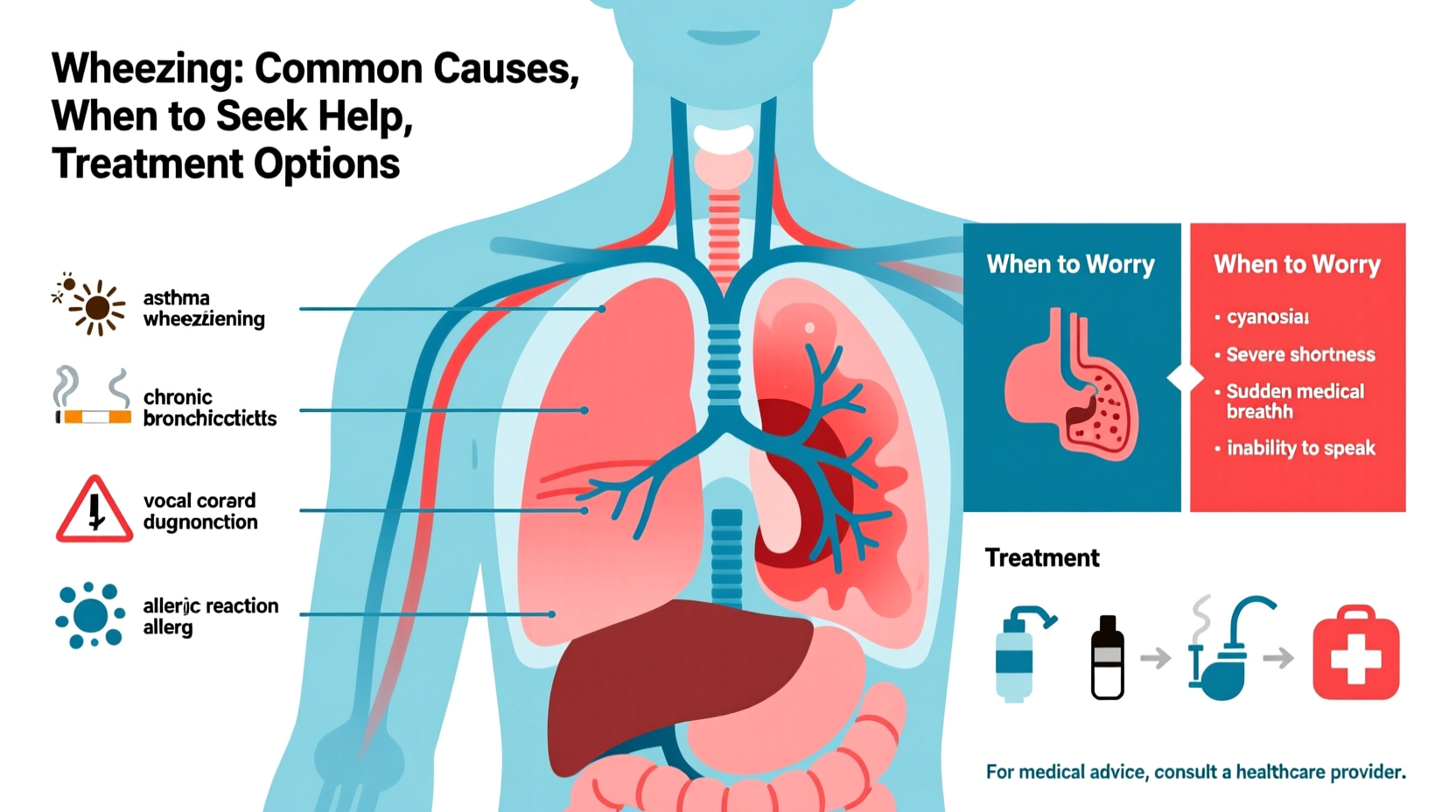
Wheezing occurs when the airways become narrowed, inflamed, or obstructed, making it harder for air to flow through. This turbulence creates the characteristic whistling noise. Several conditions can lead to this narrowing:
- Asthma: One of the most common causes, asthma leads to chronic inflammation and tightening of the airway muscles. Triggers like allergens, cold air, or stress can provoke episodes.
- Chronic Obstructive Pulmonary Disease (COPD): Often linked to long-term smoking, COPD includes emphysema and chronic bronchitis, both of which damage lung tissue and restrict airflow.
- Respiratory Infections: Viral infections such as bronchitis, RSV (respiratory syncytial virus), or pneumonia can cause temporary airway swelling and mucus buildup.
- Allergies: Allergic reactions to pollen, dust mites, pet dander, or certain foods can trigger airway constriction and wheezing, especially in people with allergic asthma.
- Gastroesophageal Reflux Disease (GERD): Stomach acid rising into the esophagus can irritate the throat and airways, leading to chronic cough and wheezing.
- Foreign Body Inhalation: Particularly in children, inhaling small objects can block part of the airway and cause sudden wheezing.
- Heart Failure: In some cases, fluid buildup in the lungs (pulmonary edema) due to heart issues can mimic respiratory symptoms, including wheezing.
When Should You Worry About Wheezing?
Not all wheezing requires emergency care, but certain signs indicate a need for immediate medical attention. Delaying treatment in severe cases can lead to respiratory failure.
“Wheezing that comes on suddenly, especially with difficulty speaking or turning blue around the lips, is a red flag. This could indicate a life-threatening airway obstruction.” — Dr. Lena Torres, Pulmonologist
Symptoms That Require Immediate Medical Attention:
- Severe shortness of breath or inability to catch your breath
- Blue tint to lips or fingertips (cyanosis)
- Difficulty speaking in full sentences due to breathlessness
- Chest pain or tightness
- Rapid breathing or visible use of neck and chest muscles to breathe
- Wheezing that worsens quickly, especially without a known trigger
- Fever over 101°F (38.3°C) with wheezing, suggesting infection
For infants and young children, seek urgent care if they show nasal flaring, grunting, or retractions (skin pulling in around the ribs with each breath).
Diagnosis and Medical Evaluation
To determine the cause of wheezing, a healthcare provider will perform a thorough assessment, including:
- Medical History: Questions about onset, frequency, triggers, allergies, smoking history, and family history of asthma or respiratory diseases.
- Physical Exam: Listening to the lungs with a stethoscope to locate where the wheezing is most prominent.
- Lung Function Tests: Spirometry measures how much air you can exhale and how quickly, helping diagnose asthma or COPD.
- Chest X-ray or CT Scan: To rule out infections, tumors, or structural abnormalities.
- Allergy Testing: If allergies are suspected, skin or blood tests may identify specific triggers.
- Acid Reflux Evaluation: For chronic wheezing without clear respiratory causes, testing for GERD may be recommended.
Treatment Options Based on Cause
Treatment depends entirely on the underlying condition. A correct diagnosis is essential to avoid ineffective or harmful therapies.
| Condition | Common Treatments | Lifestyle Adjustments |
|---|---|---|
| Asthma | Inhaled corticosteroids, bronchodilators (e.g., albuterol), leukotriene modifiers | Avoid triggers, use air purifiers, monitor peak flow |
| COPD | Long-acting bronchodilators, inhaled steroids, oxygen therapy | Quit smoking, pulmonary rehabilitation, annual flu shots |
| Respiratory Infection | Antibiotics (if bacterial), rest, hydration, fever reducers | Humidified air, saline nasal rinses, avoid spreading germs |
| Allergies | Antihistamines, nasal corticosteroids, immunotherapy | Dust-proof bedding, HEPA filters, pet avoidance |
| GERD | Proton pump inhibitors (PPIs), H2 blockers | Elevate head while sleeping, avoid spicy/fatty foods, eat earlier |
Emergency Treatment
In acute cases—such as severe asthma attacks or anaphylaxis—treatment may include:
- Fast-acting inhalers (rescue medications)
- Systemic corticosteroids (oral or IV)
- Oxygen therapy
- Epinephrine injection for allergic emergencies
Home Care and Prevention Tips
While medical treatment is crucial for diagnosed conditions, everyday habits can reduce the frequency and severity of wheezing episodes.
Prevention Checklist:
- ✔ Identify and avoid personal triggers (smoke, dust, strong fragrances)
- ✔ Take prescribed maintenance medications consistently
- ✔ Get vaccinated for flu and pneumonia annually
- ✔ Practice breathing exercises (e.g., pursed-lip breathing)
- ✔ Monitor symptoms with a peak flow meter if you have asthma
- ✔ Quit smoking and avoid secondhand smoke
- ✔ Maintain a healthy weight—obesity can worsen breathing
Real-Life Example: Recognizing Asthma Early
Sarah, a 28-year-old teacher, began noticing a faint whistling sound when she ran during her morning jogs. At first, she dismissed it as being out of shape. Over time, the wheezing occurred even during mild activity and sometimes at rest. After a particularly bad episode following exposure to cleaning chemicals at school, she visited her doctor. Lung function tests confirmed mild asthma. With a daily inhaled corticosteroid and an action plan for flare-ups, Sarah regained control of her breathing and continues to exercise safely.
Her story highlights the importance of not ignoring subtle symptoms—even if they seem minor at first.
Frequently Asked Questions
Can anxiety cause wheezing?
Anxiety doesn’t directly cause true wheezing, but it can lead to hyperventilation or vocal cord dysfunction, which may feel similar. These episodes often involve rapid breathing and chest tightness without actual airway narrowing. However, anxiety can worsen existing asthma, so proper diagnosis is key.
Is wheezing always related to the lungs?
Most commonly, yes—but upper airway issues like vocal cord dysfunction or tracheal narrowing can also produce wheezing-like sounds. These are often misdiagnosed as asthma and require specialized evaluation, such as laryngoscopy.
Can children outgrow wheezing?
Many young children wheeze during viral infections, and this may resolve as their airways grow larger. However, persistent or recurrent wheezing, especially with a family history of allergies, increases the likelihood of developing asthma later in childhood.
Conclusion: Take Control of Your Breathing
Wheezing is more than just an annoyance—it’s your body’s way of signaling that something is off in your respiratory system. Whether it's triggered by allergies, infection, or a chronic condition, understanding the root cause is the first step toward relief. Don’t ignore persistent symptoms or dismiss them as normal aging or fitness issues. With proper diagnosis and management, most causes of wheezing can be effectively treated, allowing you to breathe easier and live more fully.




 浙公网安备
33010002000092号
浙公网安备
33010002000092号 浙B2-20120091-4
Comments
No comments yet. Why don't you start the discussion?