
When someone we care about struggles with addiction, their behavior can become confusing, hurtful, or even cruel. Loved ones often ask: Why are addicts so mean? The answer isn’t simple. Addiction rewires the brain, distorts emotions, and creates survival-driven behaviors that can appear hostile, manipulative, or indifferent. Understanding the psychological, neurological, and emotional forces behind these actions is essential—not to excuse harm, but to foster empathy, set healthy boundaries, and support long-term recovery.
The Brain Under the Influence: How Addiction Alters Behavior
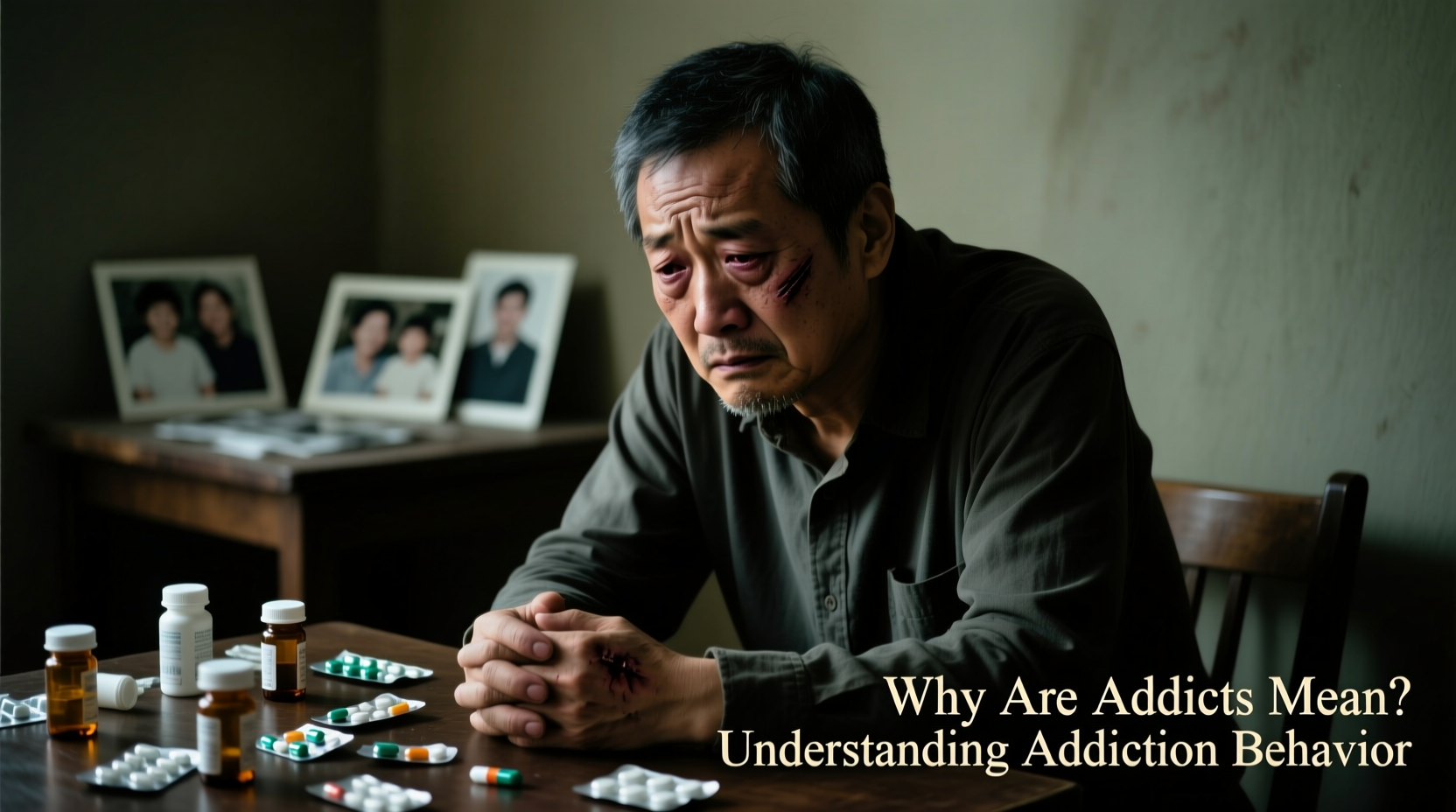
Addiction is a chronic brain disorder, not a moral failing. Repeated substance use changes the brain’s structure and function, particularly in areas responsible for judgment, impulse control, decision-making, and emotional regulation. The prefrontal cortex, which governs self-control and rational thinking, becomes impaired, while the reward system becomes hyper-focused on obtaining the next dose of the substance.
This neurological hijacking leads to compulsive use despite negative consequences. When cravings intensify or withdrawal symptoms arise, the individual may prioritize the drug over relationships, responsibilities, or social norms. In this state, behaviors like lying, stealing, or lashing out are not necessarily personal attacks—they are symptoms of a mind under siege.
“Addiction doesn’t turn people evil. It turns them desperate. Their brain has been rewired to survive one way: by getting the substance.” — Dr. Nora Volkow, Director, National Institute on Drug Abuse (NIDA)
Emotional Triggers Behind Aggressive Behavior
Many people assume that an addict’s anger or cruelty stems from selfishness or malice. In reality, strong emotions like irritability, anxiety, and rage are often rooted in deeper psychological distress:
- Shame and guilt: Addicts frequently feel deep shame about their loss of control, broken promises, or harm caused to others. This internal pain can manifest as defensiveness or hostility when confronted.
- Fear of exposure: Being caught using, losing a job, or facing legal trouble can trigger panic responses, including aggression.
- Withdrawal symptoms: Physical discomfort—such as nausea, tremors, insomnia, or muscle pain—can make anyone irritable. For someone dependent on substances, withdrawal can provoke extreme mood swings.
- Co-occurring mental health disorders: Depression, PTSD, bipolar disorder, or anxiety are common among those with substance use disorders. These conditions amplify emotional volatility.
Common Patterns of Addict Behavior and Their Causes
Certain behaviors repeatedly appear in individuals struggling with addiction. Recognizing these patterns—and their underlying causes—can help loved ones respond more effectively.
| Behavior | Common Cause | How to Respond |
|---|---|---|
| Lying or hiding use | Fear of judgment, punishment, or intervention | Focus on safety, not blame. Use non-confrontational language. |
| Blaming others | Denial mechanisms to avoid accountability | Acknowledge feelings without accepting false narratives. |
| Explosive anger | Withdrawal, stress, or co-occurring mental illness | Stay calm; disengage if unsafe. Encourage professional help. |
| Manipulation | Learned survival tactic to obtain drugs or avoid consequences | Set firm boundaries. Avoid rewarding harmful behavior. |
| Emotional withdrawal | Depression, numbness from substance use, or fear of intimacy | Express concern without pressure. Offer consistent support. |
Real Example: A Family’s Experience with Addiction and Anger
Mark, a 38-year-old father, began drinking heavily after losing his job. Over time, he became increasingly short-tempered with his wife and children. He snapped over small issues, accused his wife of spying, and once threw a glass against the wall during an argument about his drinking. His family felt afraid and betrayed.
After Mark entered rehab, therapists explained that his aggression wasn’t just about alcohol—it was the result of untreated depression, financial stress, and escalating dependence. During detox, his brain chemistry was unstable, making emotional regulation nearly impossible. With therapy and medication, Mark gradually regained control. His family attended counseling and learned to distinguish between the disease and the man they loved.
Today, Mark remains sober. He apologizes for past behavior and works daily to rebuild trust. His story illustrates that while the actions of an addict can be damaging, recovery is possible with proper treatment and support.
Supporting Recovery Without Enabling: A Step-by-Step Guide
Responding to an addicted loved one requires balance: compassion without enabling, honesty without cruelty. Follow this timeline to navigate the process constructively.
- Observe and document behavior: Note specific incidents—what was said, when, and the context. This helps avoid generalizations and keeps conversations fact-based.
- Educate yourself: Learn about addiction as a medical condition. Reliable sources include NIDA, SAMHSA, and certified addiction counselors.
- Choose a calm moment to talk: Avoid confrontations during intoxication or withdrawal. Use “I” statements: “I feel worried when I see you drinking every night.”
- Set clear boundaries: Define what behaviors you will not tolerate (e.g., violence, theft) and the consequences (e.g., leaving the room, involving authorities).
- Encourage professional help: Suggest therapy, rehab, or support groups like AA or SMART Recovery. Offer to help find resources.
- Seek support for yourself: Join Al-Anon, Nar-Anon, or a therapist specializing in family dynamics. You cannot pour from an empty cup.
- Reassess regularly: Monitor progress and adjust boundaries as needed. Recovery is nonlinear—relapses may occur.
Frequently Asked Questions
Can an addict change their behavior without treatment?
While some individuals achieve sobriety independently, most benefit significantly from professional intervention. Long-term behavioral change typically requires therapy, medical support, and accountability. Willpower alone rarely overcomes the physiological grip of addiction.
Is it safe to stay in a relationship with an active addict?
Safety must come first. If there is physical violence, threats, or emotional abuse, staying may endanger your well-being. Seek guidance from a counselor or domestic violence hotline. Love does not require enduring harm.
Does tough love work for addiction?
Tough love—setting firm consequences—can be effective when paired with compassion. However, isolating or shaming someone often worsens shame and drives them deeper into use. Effective tough love includes clear boundaries *and* access to support.
Conclusion: Compassion, Boundaries, and the Path Forward
Understanding why addicts are mean doesn’t excuse harmful actions, but it transforms our response from judgment to informed action. Behind the anger, manipulation, or coldness is often a person in profound pain—someone whose brain and emotions have been distorted by a powerful disease.
Healing begins when we replace stigma with knowledge, blame with boundaries, and isolation with connection. Whether you’re a partner, parent, friend, or caregiver, your role isn’t to fix the person, but to create conditions where recovery can take root. That means protecting your own mental health, speaking truth with kindness, and guiding your loved one toward professional help.




 浙公网安备
33010002000092号
浙公网安备
33010002000092号 浙B2-20120091-4
Comments
No comments yet. Why don't you start the discussion?