
Anime figures have evolved from niche collectibles into high-value art objects, often commanding hundreds or even thousands of dollars. At first glance, a 6- to 10-inch plastic statue may seem overpriced—especially when mass-produced toys cost a fraction. But behind every figure lies a complex web of creative, legal, and technical processes that justify the price tag. From material quality and sculpting precision to licensing agreements and limited runs, the cost reflects far more than just plastic and paint.
The global anime merchandise market is projected to exceed $35 billion by 2027, with figures playing a central role in that growth. As demand rises among collectors and fans, prices follow—not because companies exploit fandom, but because the production pipeline itself is inherently costly and labor-intensive. Understanding these factors demystifies the pricing and helps collectors make informed decisions about their investments.
Material Quality and Craftsmanship
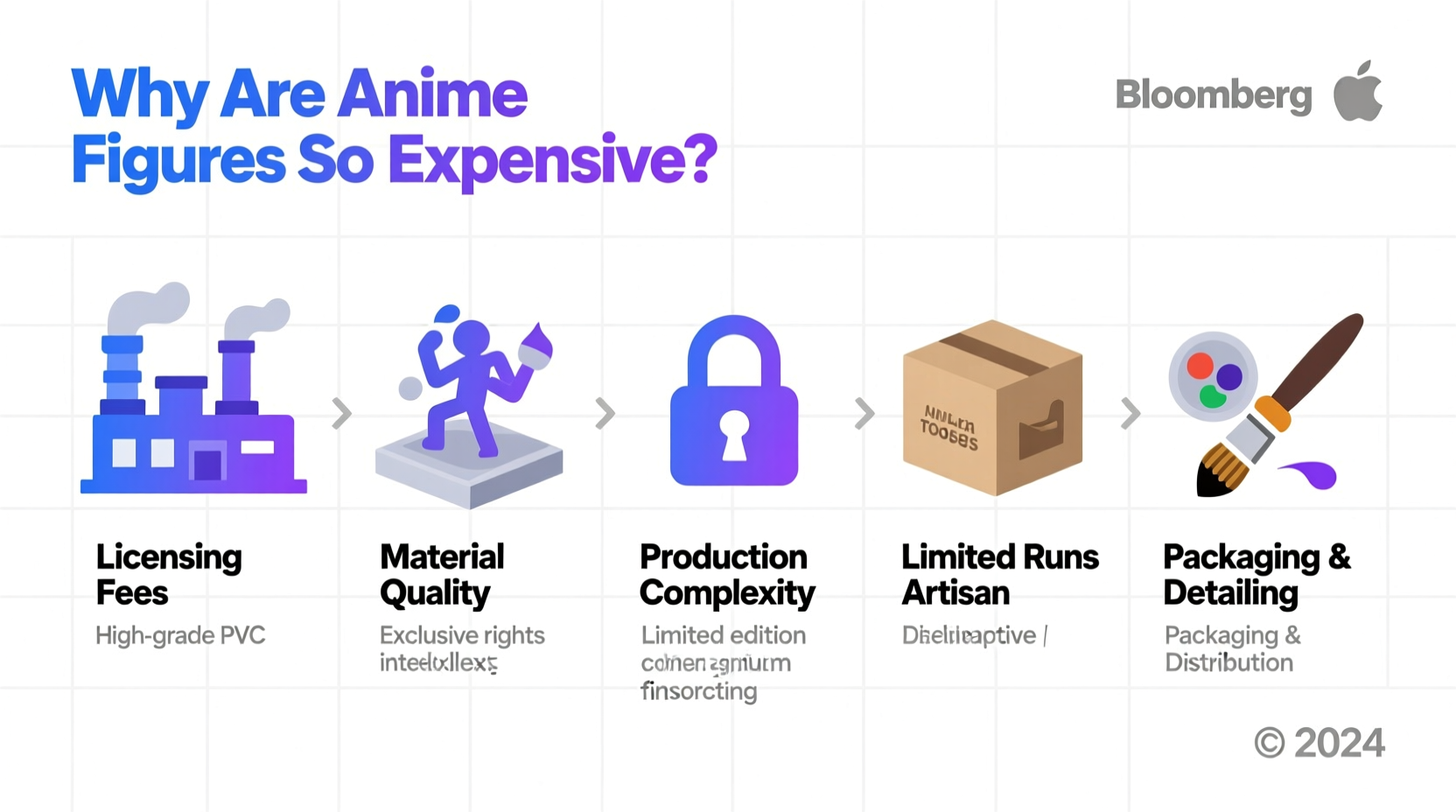
High-end anime figures are not made from cheap plastic. Most premium statues use polyvinyl chloride (PVC), polystone, or ABS resin—materials chosen for durability, fine detail retention, and resistance to warping. PVC, the most common, allows for flexible articulation and smooth surface finishes, essential for capturing subtle facial expressions and flowing fabrics.
However, sourcing high-grade PVC isn’t inexpensive. It must be free of impurities to avoid blemishes during molding and painting. Lower-quality resins can crack under temperature changes or degrade in sunlight, which defeats the purpose for collectors who display their pieces long-term.
Each figure undergoes multiple stages: sculpting, mold creation, casting, cleaning, painting, and assembly. Hand-painting is especially time-consuming. Skilled artists spend hours applying layers of acrylic paint to achieve realistic skin tones, fabric textures, and metallic sheens. Even \"mass-produced\" figures often involve hand-finished touches on eyes, hair highlights, or accessories.
Licensing: The Hidden Cost of Authenticity
One of the largest contributors to figure pricing is licensing. No company can legally produce a Naruto, Demon Slayer, or My Hero Academia figure without permission from the copyright holder—typically the anime studio, manga publisher, or character rights consortium like Toei Animation or Shueisha.
Licensing fees vary widely but typically include:
- Upfront rights acquisition costs
- Royalty payments per unit sold (often 10–20%)
- Marketing and approval oversight
- Annual renewal fees
For example, Good Smile Company—a leading figure manufacturer—must negotiate with studios like Aniplex or Bandai Namco each time they release a new Fate or Sword Art Online product. These negotiations take months and involve strict design approvals. Studios often require final say on character poses, costumes, and even color palettes to maintain brand consistency.
“Licensing isn’t just a fee—it’s a partnership. We’re stewards of beloved characters, and studios expect us to uphold their integrity.” — Takashi Yamazaki, Product Director at Alter Corporation
This oversight adds time and cost. A single rejected prototype can delay production by weeks. And if a license expires, the figure can no longer be produced, making existing units rare and valuable.
Production Complexity and Limited Runs
Unlike action figures from Western franchises that prioritize scalability, anime figures emphasize artistic accuracy and exclusivity. Many are released in limited quantities—sometimes as few as 500–1,000 units worldwide. This scarcity drives up value, but it also increases per-unit cost.
Small batch production means manufacturers can’t leverage economies of scale. Tooling for a single figure can cost $50,000–$100,000. When spread across 1,000 units, that’s $50–$100 added to each figure’s base cost before materials or labor. In contrast, a toy line of 100,000 units reduces that overhead to less than $1 per unit.
Complex designs further inflate expenses. Figures with dynamic poses, translucent parts (like glowing effects), interchangeable faces, or elaborate bases require multi-part molds and intricate assembly. Some premium statues use over 30 separate components, each needing individual painting and quality checks.
| Design Feature | Impact on Cost |
|---|---|
| Interchangeable Faces | +15–25% |
| Translucent Effects (e.g., magic aura) | +20–30% |
| Articulated Joints | +10–15% |
| LED Lighting | +40–60% |
| Numbered Certificate & Box | +5–10% |
Moreover, prototypes are sculpted by master artists using digital modeling software or traditional clay. These originals can take weeks to complete and are often displayed at conventions before production begins. If popular, they become collector’s items themselves—even before the final product ships.
Supply Chain and Global Distribution
Most anime figures are manufactured in Japan, China, or South Korea, where skilled labor and specialized factories exist. However, shipping, import tariffs, and middlemen add significant markups by the time products reach international markets.
A figure that retails for ¥25,000 (~$160) in Japan might cost $220–$280 in the U.S. due to:
- International freight and insurance
- Customs duties (up to 10–15% in some countries)
- Distributor margins (20–30%)
- Retailer markup (25–50%)
Pre-order models—common in the anime industry—also carry financial risk. Companies rely on advance sales to fund production. To incentivize early purchases, they offer exclusive bonuses (alternate heads, stands, or mini-figures). These extras increase manufacturing complexity and cost, but help secure funding upfront.
Delays are frequent. Factory issues, shipping disruptions, or last-minute design changes can push releases back by months. During this time, demand grows, and secondary markets inflate prices. A $200 figure might sell for $400 on resale sites within weeks of release.
Collector Culture and Market Dynamics
The anime figure market operates like fine art or luxury watches: driven by passion, rarity, and perceived value. Collectors don’t just buy figures—they invest in nostalgia, craftsmanship, and cultural identity.
Secondary market speculation has become widespread. Resellers purchase entire production runs to flip later at a profit. Platforms like Mandarake, HobbyLink Japan, and eBay enable global trading, often pushing prices beyond retail.
Some figures appreciate significantly. The *Fate/stay night* Saber Alter “Snow White” edition, originally priced at $180, now trades for over $1,200 due to discontinuation and demand. Similarly, out-of-print figures from Max Factory or Kotobukiya routinely double or triple in value.
Mini Case Study: The Rise of the Nendoroid Line
Good Smile Company’s Nendoroid series exemplifies how smart production and licensing balance affordability with quality. Designed as chibi-style, customizable figures, Nendoroids use standardized body molds across characters, reducing tooling costs. Interchangeable parts allow one mold to serve dozens of variants.
Despite lower prices ($50–$80), they remain profitable due to volume. Over 1,000 Nendoroid designs exist, creating cross-selling opportunities. Licensing is negotiated in bulk—securing rights for multiple characters at once—which lowers per-unit royalty costs.
Yet even here, complexity adds up. A Nendoroid of Demon Slayer’s Nezuko includes glow-in-the-dark bamboo muzzle, removable hood, and multiple hand parts. Each addition requires separate molds and QC steps. The result? A deceptively simple-looking figure backed by industrial-scale precision.
How to Navigate the Market Wisely
Understanding why anime figures are expensive empowers buyers to make smarter choices. Whether you're a casual fan or serious collector, consider the following checklist before purchasing:
📋 **Anime Figure Buying Checklist**- Verify authenticity – Buy from official retailers or licensed distributors.
- Check production status – Is it open for pre-order, in stock, or discontinued?
- Review materials – PVC, polystone, or mixed media? Ensure compatibility with your display environment.
- Evaluate scale and size – 1/7, 1/8, or non-scaled? Confirm space requirements.
- Assess included features – Interchangeable parts, stands, or lighting affect both price and usability.
- Research secondary value – Check past sales on auction sites to gauge appreciation potential.
- Read reviews – Look for feedback on paint quality, fragility, and box condition.
Step-by-Step Guide: Importing Figures from Japan
- Choose a reliable proxy service (e.g., Buyee, ZenMarket).
- Create an account and set shipping preferences.
- Bid or purchase on Japanese auction sites (Yahoo! Japan Auctions, Mandarake).
- Confirm payment and wait for warehouse notification.
- Select international shipping method (air mail for speed, sea for bulk).
- Pay customs fees upon arrival and receive your package.
Note: Factor in 20–40% extra for shipping, insurance, and duties. Some services offer bundled discounts for multiple items.
Frequently Asked Questions
Why are some anime figures over $500?
High prices reflect premium materials (polystone, resin), intricate detailing, hand-painting, limited availability, and licensing costs. Figures over 1/4 scale or with LED features often exceed $500 due to size and complexity.
Are cheaper anime figures worth buying?
It depends on quality. Budget figures (under $50) may use softer PVC, have simpler sculpts, or lack fine paintwork. However, brands like QEE, Banpresto, and Ichibansho offer decent value for display-only purposes. For serious collections, stick to mid-tier producers like Good Smile, Alter, or Megahouse.
Do anime figures increase in value over time?
Only select ones do. Factors include limited production, popularity of the franchise, manufacturer reputation, and condition. Most mass-produced figures retain or slightly depreciate in value unless retired. Always prioritize personal enjoyment over investment potential.
Conclusion: Appreciating Value Beyond Price
The cost of an anime figure isn’t arbitrary—it’s the sum of artistry, legality, engineering, and emotion. Each piece represents a collaboration between animators, sculptors, licensors, and manufacturers, all working to honor a character fans love deeply. While the price may seem steep, it reflects a commitment to quality and authenticity that mass-market toys rarely match.
For collectors, understanding these factors transforms shopping from impulse buying into informed curation. Whether you display a single cherished figure or build an expansive shrine to your favorite series, you’re not just owning a statue—you’re preserving a moment in anime history.




 浙公网安备
33010002000092号
浙公网安备
33010002000092号 浙B2-20120091-4
Comments
No comments yet. Why don't you start the discussion?