
The deep crimson hue of a raw beetroot is unmistakable—striking, almost surreal in its intensity. Slice into one, and your cutting board may soon resemble a crime scene. But what gives beets their bold red color? It’s not just for show. The pigment responsible is a powerful compound with biological significance, culinary implications, and even health-promoting properties. Understanding the science behind beet color reveals much more than aesthetics—it uncovers a fascinating intersection of chemistry, botany, and nutrition.
The Pigment Behind the Red: Betalains
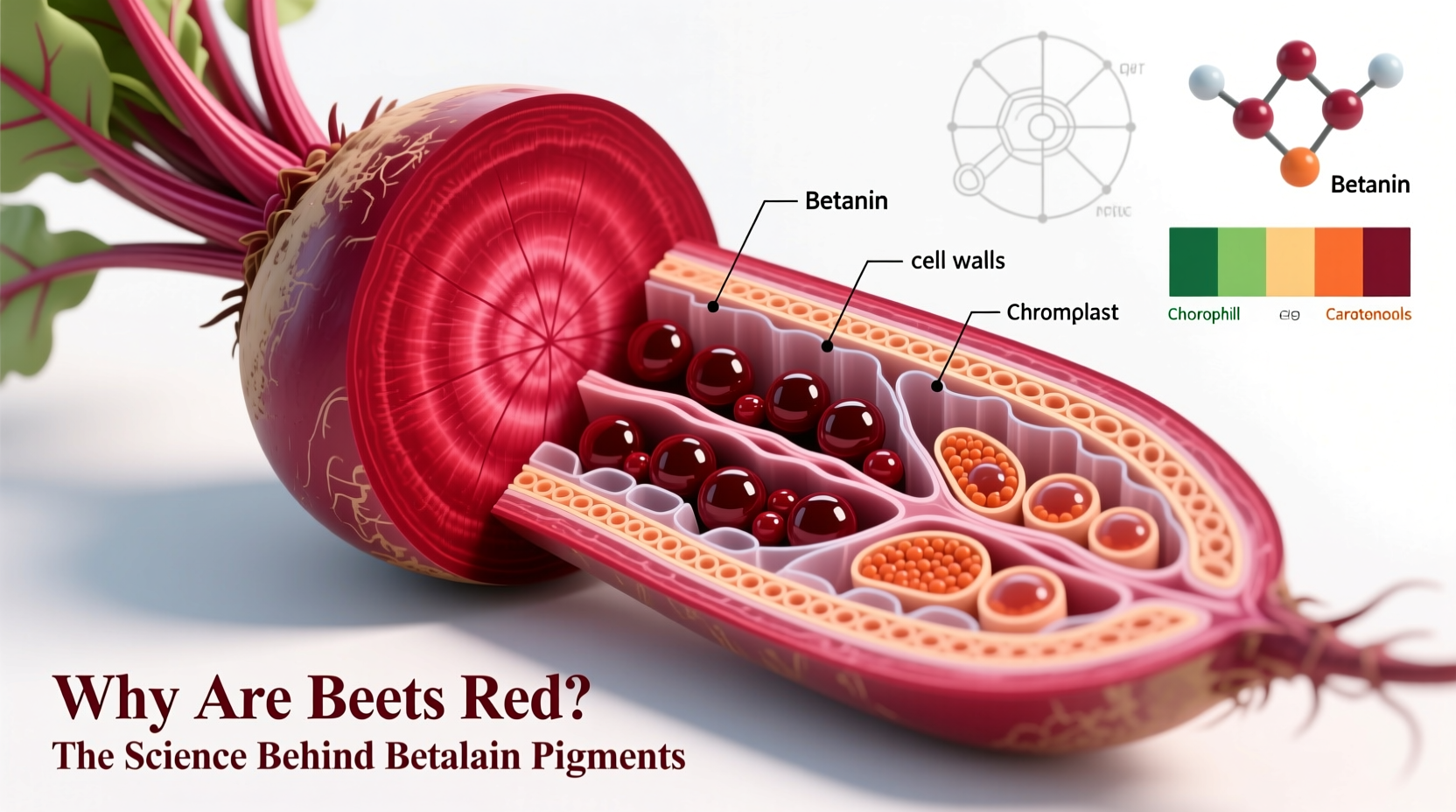
Unlike many other red or purple fruits and vegetables—such as blueberries, red cabbage, or eggplants—beets do not derive their color from anthocyanins. Instead, they rely on a unique class of water-soluble pigments called betalains. These nitrogen-containing molecules are found almost exclusively in plants of the order Caryophyllales, which includes beets, Swiss chard, amaranth, and cacti like prickly pear.
Betalains come in two primary forms:
- Betacyanins – responsible for the red-violet tones (the most prominent being betanin)
- Betaxanthins – which produce yellow-orange hues
In red beets, betacyanins dominate, particularly betanin, which accounts for up to 75–95% of the total pigment content. This compound is highly sensitive to pH, heat, and light, which explains why beets can lose their vibrancy under certain conditions.
“Betalains are among the most vivid natural pigments known. Their stability and bioactivity make them of great interest in both food science and functional medicine.” — Dr. Lena Torres, Plant Biochemist, University of Copenhagen
Why Did Beets Evolve to Be Red?
Nature rarely invests in color without purpose. The red pigmentation in beets serves multiple biological roles:
- UV Protection: Betalains act as antioxidants, shielding plant cells from oxidative stress caused by sunlight and environmental damage.
- Defense Mechanism: Some studies suggest betalain-rich tissues are less appealing to herbivores and more resistant to fungal infections.
- Stress Response: Beet plants increase betalain production when exposed to drought, salinity, or pathogen attack—indicating a role in resilience.
This evolutionary adaptation means that the very compound giving beets their dramatic appearance also contributes to their hardiness and nutritional value.
How Cooking Affects Beet Color
Anyone who has boiled beets knows the water often turns a shocking magenta. This isn’t contamination—it’s betanin leaching out. The stability of betalains depends heavily on preparation methods:
| Cooking Method | Color Retention | Notes |
|---|---|---|
| Roasting | High | Concentrates flavor and minimizes pigment loss due to less water exposure |
| Boiling | Low to Moderate | Significant betanin leaches into water; acidic water improves retention |
| Steaming | Moderate | Better than boiling, but some pigment still lost |
| Raw (grated/sliced) | Very High | Maximum color and nutrient preservation |
| Pickling | High | Acidic brine stabilizes betanin; color intensifies over time |
Temperature plays a critical role. Betanin begins to degrade at temperatures above 60°C (140°F), especially in neutral or alkaline conditions. That’s why roasted beets often retain more intense color than boiled ones—dry heat limits pigment solubility and breakdown.
A Real Example: The Restaurant Kitchen Dilemma
A well-known farm-to-table restaurant once struggled with inconsistent beet presentation. Their signature beet and goat cheese salad looked stunning in summer but turned dull and faded in winter months. After investigation, the chef discovered the issue wasn't the beets themselves, but the tap water used for boiling. In winter, the municipal water supply became slightly more alkaline due to treatment changes, accelerating betanin degradation. By switching to filtered water and adding lemon juice to the cooking liquid, the kitchen restored the dish’s visual appeal—proving how subtle chemical factors impact real-world results.
Health Benefits Linked to Beet Pigments
Beyond color, betalains—especially betanin—have drawn attention for their potential health effects. Research indicates these pigments possess:
- Antioxidant activity: Neutralizing free radicals linked to chronic disease
- Anti-inflammatory properties: Modulating inflammatory pathways in animal and cell studies
- Detoxification support: Enhancing liver enzyme activity involved in toxin clearance
- Cardiovascular protection: Helping reduce oxidative stress in blood vessels
A 2021 study published in Food Chemistry found that regular consumption of betalain-rich extracts was associated with reduced markers of oxidative DNA damage in adults. While more human trials are needed, the evidence suggests that the red color of beets may be a visual cue to their functional benefits.
Do All Beets Have the Same Red Pigment?
No. While most grocery-store beets are deep red, there are several varieties with different pigmentation:
- Golden Beets: Contain primarily betaxanthins, giving them a bright yellow-orange color. They lack betacyanins, so they don’t bleed or stain.
- Chioggia Beets: Also known as “candy stripe” beets, they have concentric red and white rings due to alternating layers of betacyanin and no pigment.
- White Beets: Such as ‘Albina Vereduna,’ contain negligible betalains and are nearly translucent when cooked.
These variations aren’t just cosmetic—they affect flavor, nutrient profile, and culinary use. Golden beets, for example, are often described as sweeter and less earthy than their red counterparts.
Practical Tips for Preserving Beet Color and Nutrition
Whether you're roasting, juicing, or pickling, preserving the integrity of betalains enhances both appearance and potential health benefits. Follow this checklist to get the most from your beets:
- Wash beets gently without peeling—skin acts as a protective barrier.
- Cook with skins on to minimize pigment leakage; peel after cooking.
- Add an acid (lemon juice, vinegar) to cooking or storage liquids.
- Avoid baking soda or alkaline ingredients when preparing beets.
- Store fresh beets in a cool, humid environment (like a crisper drawer) for up to 2 weeks.
- For long-term storage, pickle or freeze—both methods retain betalain content reasonably well.
Frequently Asked Questions
Why do beets make my urine pink or red?
This phenomenon, called beeturia, occurs in about 10–14% of the population. It happens when betanin passes through the digestive system unchanged and is excreted in urine. It’s generally harmless and more likely in people with low stomach acidity or iron deficiency.
Are colored beets genetically modified?
No. Red, golden, and striped beets are naturally occurring varieties developed through traditional breeding. There are currently no commercially available genetically modified beet varieties for direct human consumption (though sugar beets are often GMO for herbicide resistance).
Can I extract beet pigment at home for natural food coloring?
Yes. Simmer chopped raw beets in water with a splash of vinegar for 20–30 minutes, strain, and reduce the liquid. The resulting concentrate can be used to color frostings, pasta, or beverages. Store in the fridge for up to a week or freeze in ice cube trays.
Conclusion: More Than Just a Pretty Root
The red color of beets is far more than a visual quirk—it’s a sign of complex biochemistry evolved for survival and packed with functional benefits. From protecting the plant in harsh conditions to offering antioxidant power in the human diet, betalains exemplify how nature’s designs are both beautiful and purposeful. Understanding the science behind beet color empowers us to cook smarter, eat better, and appreciate the deeper story behind everyday foods.




 浙公网安备
33010002000092号
浙公网安备
33010002000092号 浙B2-20120091-4
Comments
No comments yet. Why don't you start the discussion?