
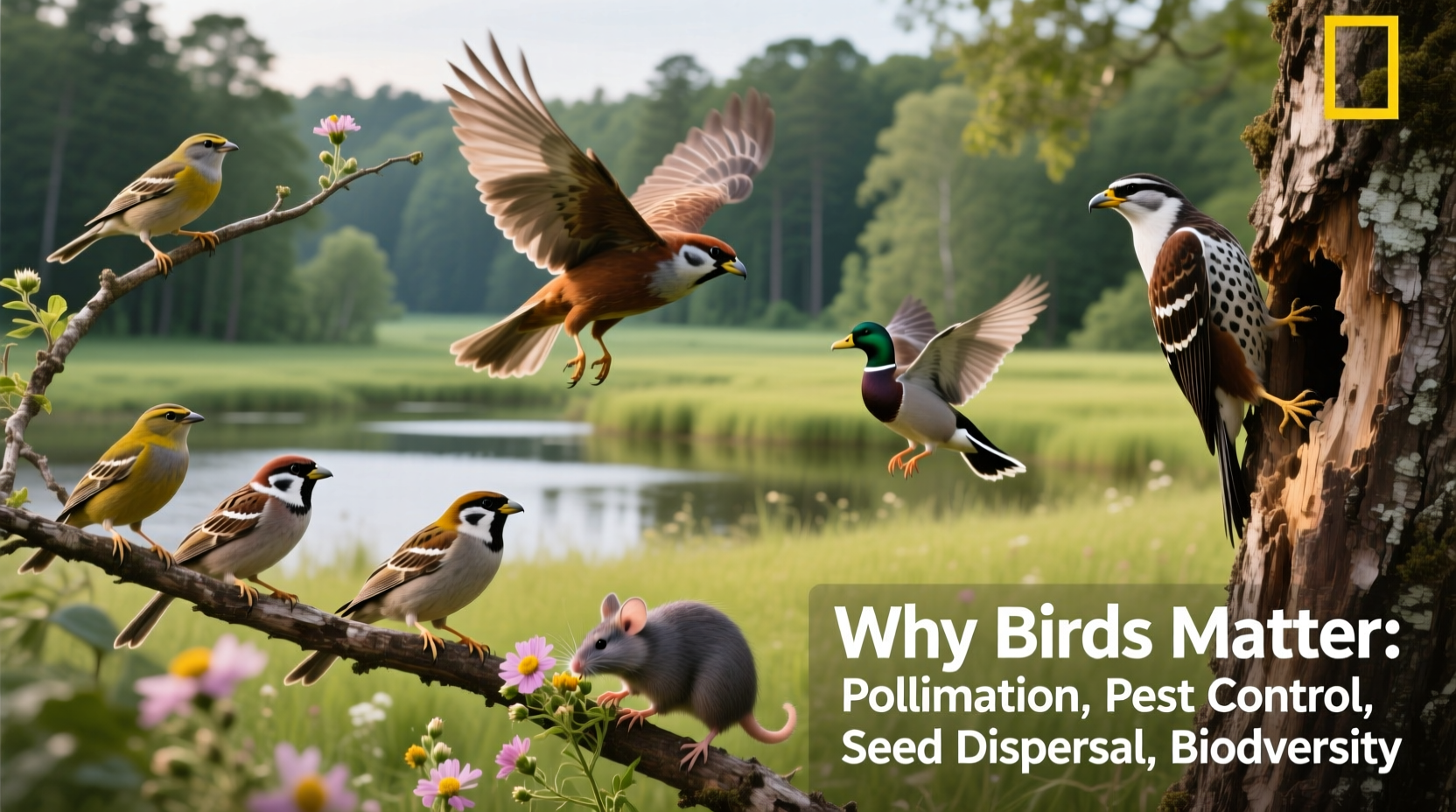
Birds are far more than just a delight to watch or listen to—they are essential players in maintaining the balance of ecosystems across the globe. From forests and wetlands to urban parks and agricultural fields, birds contribute in ways that directly affect environmental health and human well-being. Their roles span pollination, seed dispersal, pest control, nutrient cycling, and serving as indicators of ecological change. Despite their small size, the impact of birds on planetary systems is immense and often underappreciated.
As naturalists and ecologists have long observed, removing birds from an ecosystem can trigger cascading consequences—from unchecked insect populations to declining plant regeneration. Understanding their contributions helps foster conservation efforts and encourages coexistence with these feathered stewards of nature.
Pollination and Plant Reproduction
While bees often take center stage in discussions about pollinators, many bird species—especially hummingbirds, sunbirds, and honeyeaters—are crucial for the reproduction of numerous flowering plants. These birds feed on nectar, inadvertently transferring pollen from one bloom to another as they move between flowers.
In regions like tropical rainforests and arid landscapes, certain plants have evolved specifically to attract birds. Bright red or orange tubular flowers, which are less appealing to bees, are common adaptations designed to lure avian pollinators. For example, the sword-billed hummingbird in South America has a beak longer than its body, perfectly suited for reaching deep into passionflower blossoms.
Without these birds, many plant species would struggle to reproduce, leading to reduced plant diversity and weakened habitats for other wildlife.
Seed Dispersal and Forest Regeneration
Birds are among the most effective seed dispersers in nature. Frugivorous birds—those that eat fruit—consume berries and fruits and later excrete the seeds in new locations, often far from the parent plant. This process, known as endozoochory, enhances genetic diversity and supports forest regeneration, especially in disturbed or deforested areas.
Species like toucans, hornbills, and thrushes play critical roles in reforesting tropical and temperate zones. Studies have shown that some bird-dispersed seeds germinate more successfully after passing through a bird’s digestive tract, as the process breaks down inhibitory compounds in the seed coat.
“Birds are the unsung gardeners of the tropics. Without them, entire forest ecosystems would collapse.” — Dr. Nigel Clark, Ornithologist at the Royal Society for the Protection of Birds (RSPB)
This natural reseeding ability is especially vital in the face of climate change and habitat fragmentation, where passive restoration relies heavily on mobile species like birds to repopulate degraded lands.
Natural Pest Control in Agriculture and Urban Areas
One of the most economically significant roles birds play is in controlling insect populations. Insectivorous birds such as swallows, warblers, and flycatchers consume vast quantities of pests daily—including aphids, caterpillars, beetles, and mosquitoes.
Agricultural studies have demonstrated that farms with healthy bird populations experience significantly lower crop damage. For instance, coffee plantations shaded by trees host more bird species, which in turn reduce pests like the coffee berry borer—a destructive beetle costing the industry millions annually.
| Bird Species | Primary Diet | Benefit to Humans |
|---|---|---|
| Barn Swallow | Flies, mosquitoes, beetles | Reduces disease vectors and nuisance insects |
| Blue Tit | Caterpillars, aphids | Protects orchards and gardens |
| Western Bluebird | Beetles, grasshoppers | Supports vineyard and field crop health |
| Scrub Jay | Insects, small rodents | Controls garden and farm pests |
Encouraging bird-friendly practices—such as installing nest boxes or preserving hedgerows—can reduce reliance on chemical pesticides, promoting sustainable agriculture and healthier ecosystems.
Biodiversity Indicators and Environmental Health Monitoring
Birds are highly sensitive to changes in their environment, making them excellent bioindicators. Shifts in bird populations, migration patterns, or breeding success often signal broader ecological issues such as pollution, habitat loss, or climate change.
For example, the decline of aerial insectivores like swifts and nightjars across North America and Europe has raised alarms about collapsing insect populations—a phenomenon sometimes referred to as the “insect apocalypse.” Similarly, the presence of ospreys or kingfishers in a wetland indicates clean water and robust fish stocks.
Long-term bird monitoring programs, such as the North American Breeding Bird Survey, provide scientists with decades of data to track environmental trends and inform conservation policy. Because birds occupy nearly every biome and are relatively easy to observe, they offer a practical window into ecosystem health.
Mini Case Study: The Return of the Peregrine Falcon
In the mid-20th century, peregrine falcons faced near extinction due to the widespread use of DDT, a pesticide that caused eggshell thinning. By the 1970s, the species had vanished from much of its range in eastern North America.
After DDT was banned and captive breeding programs were launched, peregrines began to recover. Today, they thrive not only in remote cliffs but also in cities, nesting on skyscrapers and feeding on pigeons. Their rebound is considered one of the greatest conservation success stories—and a clear indicator of improving environmental quality.
Their recovery signaled that regulatory action, combined with targeted restoration, could reverse ecological damage. It also highlighted how birds serve as both victims and harbingers of environmental change.
Nutrient Cycling and Ecosystem Connectivity
Birds contribute to nutrient distribution across landscapes in ways that are often overlooked. Seabirds like gulls, puffins, and albatrosses transport nutrients from the ocean to land through their guano, which enriches soil fertility in coastal ecosystems.
In the Pacific Northwest, salmon-eating eagles and ospreys carry fish remains into forests, depositing nitrogen-rich scraps that nourish trees and understory plants. This cross-boundary transfer links marine and terrestrial food webs, enhancing productivity in both realms.
Migratory birds further amplify this effect by moving nutrients across continents. Each year, billions of birds travel between breeding and wintering grounds, redistributing organic matter and energy across hemispheres.
Checklist: How to Support Birds and Their Ecological Roles
- Plant native trees, shrubs, and flowers to provide food and shelter
- Avoid using pesticides that harm insects birds rely on
- Install birdhouses or nesting platforms for cavity-nesting species
- Keep cats indoors to reduce bird predation
- Participate in citizen science projects like eBird or the Christmas Bird Count
- Advocate for habitat protection and green urban planning
- Reduce window collisions with decals or UV-reflective glass
Frequently Asked Questions
Why are birds important to humans?
Birds provide essential services such as pollinating crops, controlling pests, dispersing seeds, and indicating environmental health. They also contribute to mental well-being through birdwatching and cultural inspiration, while supporting industries like ecotourism.
What happens if bird populations decline?
A decline in bird populations can lead to increased pest outbreaks, reduced plant regeneration, imbalanced food webs, and loss of biodiversity. It may also signal deeper environmental problems like pollution or climate disruption.
Can urban areas support meaningful bird populations?
Yes. Well-designed cities with green spaces, native vegetation, and reduced hazards can host diverse bird communities. Urban birds help manage pests, enhance air quality, and connect people with nature.
Conclusion: A Call to Protect Our Feathered Allies
Birds are not merely background elements of nature—they are dynamic forces that shape ecosystems and sustain life in countless visible and invisible ways. Their songs mark the dawn, their flight patterns trace the seasons, and their presence reflects the pulse of the planet’s health.
Yet, bird populations are declining globally due to habitat destruction, climate change, pollution, and human infrastructure. The responsibility to protect them lies with all of us. Whether it’s planting a native garden, supporting conservation policies, or simply learning to identify local species, every action counts.




 浙公网安备
33010002000092号
浙公网安备
33010002000092号 浙B2-20120091-4
Comments
No comments yet. Why don't you start the discussion?