
If you've ever been woken at 3 a.m. by your cat sprinting across the room like a possessed gymnast, only to stare at you blankly when you ask what the hell is going on—you're not alone. Many cat owners love their pets deeply while simultaneously questioning whether they were raised by villains. Cats knock things off tables, ignore affection, bite during petting, and seem to take pleasure in our frustration. So, why are cats jerks? The truth is, they’re not being malicious—they’re just being cats. Understanding feline behavior requires shifting perspective from human expectations to biological instincts.
The Myth of the “Jerk” Cat
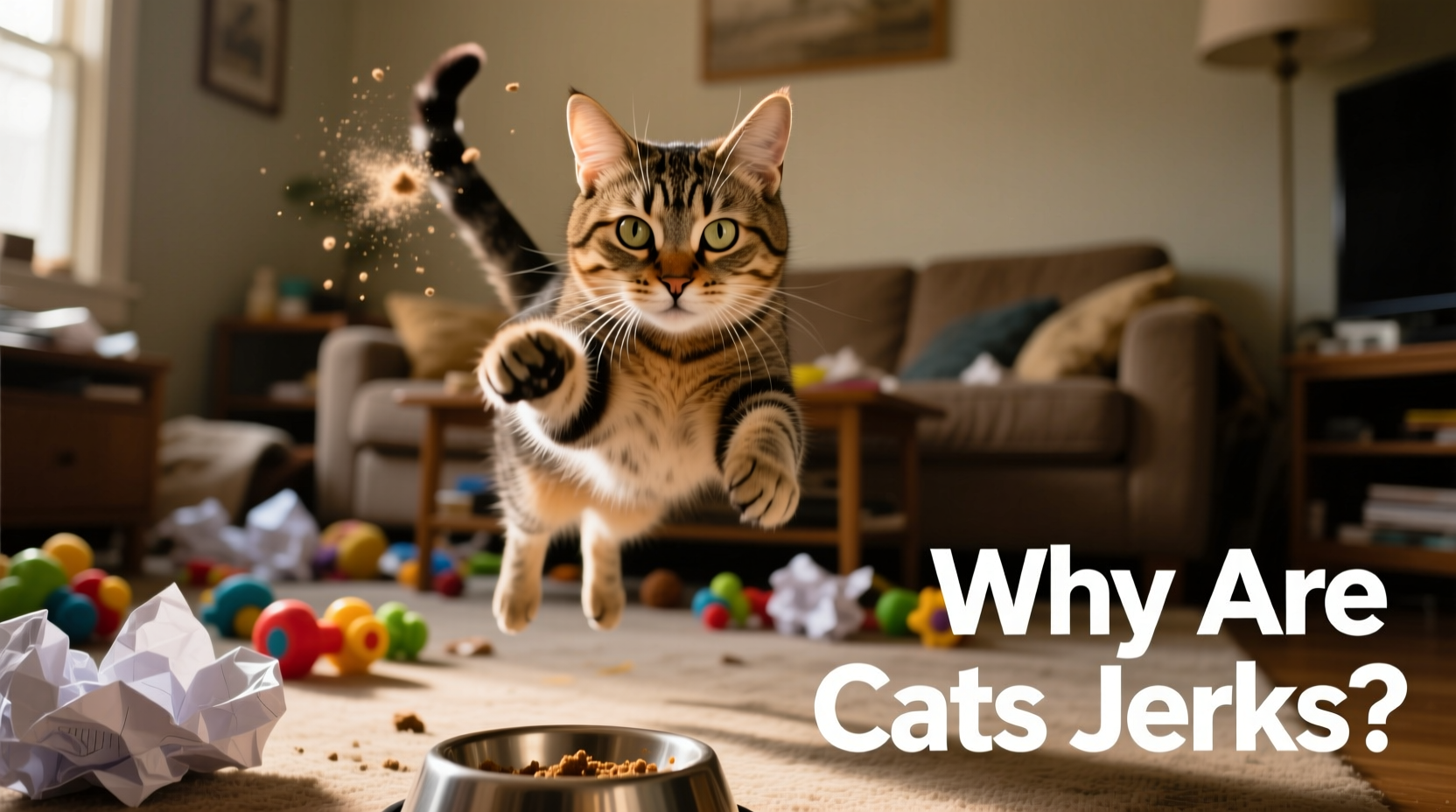
The label “jerk” is a human projection. We interpret behaviors like indifference, sudden aggression, or selective affection through an emotional lens that assumes intentionality akin to human rudeness. But cats don’t operate on social guilt or performative kindness. Their actions stem from evolutionary programming, environmental stimuli, and communication methods we often misunderstand.
For instance, when a cat bites after being petted for a few minutes, it’s not being spiteful—it’s signaling overstimulation. Similarly, knocking objects off shelves isn’t mischief; it’s curiosity combined with predatory testing. Recognizing these behaviors as expressions of natural instincts—not personal attacks—transforms frustration into empathy.
Feline Communication: What Your Cat Is Actually Saying
Cats communicate subtly. Unlike dogs, who evolved to read and respond to human cues, cats retain more solitary ancestry. Their body language includes tail flicks, ear positioning, pupil dilation, and vocal tone—all of which convey mood and intent.
- Tail straight up: Friendly greeting.
- Quick tail flick: Irritation or overstimulation.
- Ears flattened: Fear or aggression.
- Slow blinks: Trust and affection (try returning the gesture).
Vocalizations also vary in meaning. A short meow might be a greeting, while persistent yowling could signal discomfort, hunger, or territorial stress. Misreading these signals leads to assumptions of “attitude,” when in reality, the cat may be trying to express a need.
“Cats aren’t antisocial—they’re selectively social. They form strong bonds but on their own terms.” — Dr. Sarah Ellis, Feline Behavior Scientist, University of Bristol
Instinct vs. Environment: Why Cats Act Out
Domestic cats share 95.6% of their DNA with wildcats like the African wildcat (*Felis lybica*). This means their brains are wired for survival in environments vastly different from modern homes. When basic instincts aren’t fulfilled, problematic behaviors arise.
| Behavior | Instinctive Root | How to Respond |
|---|---|---|
| Knocking items off surfaces | Testing object movement (predatory play) | Provide interactive toys; avoid fragile decor near ledges |
| Biting during petting | Sensory overload or grooming boundary | Shorten sessions; watch for tail flicks or skin rippling |
| Scratching furniture | Claw maintenance and scent marking | Offer scratching posts; use pheromone sprays |
| Waking owner at night | Nocturnal hunting rhythm | Play before bedtime; use timed feeders |
| Ignoring calls | Lack of evolutionary need to obey | Train with treats; use consistent cues |
Environmental enrichment is key. A cat without outlets for hunting, climbing, or hiding will redirect energy into behaviors we perceive as “annoying.” Providing vertical space, puzzle feeders, and daily play mimics natural routines and reduces stress-induced actions.
A Real-Life Example: Luna the “Vengeful” Kitten
Sarah adopted Luna, a playful tabby, expecting cuddles and companionship. Instead, Luna chewed cables, attacked ankles, and knocked over her water glass nightly. After consulting a veterinary behaviorist, Sarah learned Luna wasn’t vengeful—she was bored and under-stimulated.
She implemented changes: daily 10-minute wand toy sessions, a cat tree near the window, and food puzzles. Within three weeks, ankle attacks ceased, and Luna began sleeping beside Sarah instead of on her keyboard. The “jerk” behavior faded not because Luna became “nicer,” but because her needs were finally met.
Common Misconceptions About Cat Personality
Many assume cats are cold or independent by nature. In reality, studies show cats form secure attachments to caregivers similar to dogs and infants. A 2019 study published in *Current Biology* found that 64% of cats exhibited secure attachment in the Ainsworth Strange Situation Test—a benchmark used in child psychology.
The difference lies in expression. Cats show affection subtly: sitting nearby, grooming, or bringing “gifts” like toys or dead insects. These gestures are meaningful in feline culture but easily missed by humans expecting overt displays.
Step-by-Step Guide to Improving Cat-Human Harmony
- Observe without judgment: Track when unwanted behaviors occur. Note time, location, and triggers.
- Rule out medical issues: Sudden aggression or litter box avoidance can indicate pain or illness.
- Enrich the environment: Add perches, hiding spots, and rotating toys to prevent boredom.
- Respect boundaries: Let the cat initiate contact. Avoid forcing hugs or prolonged petting.
- Use positive reinforcement: Reward calm behavior with treats or praise. Never use punishment.
- Establish routines: Predictable feeding and play times reduce anxiety.
- Consult a professional: For persistent issues, seek a certified cat behavior consultant or veterinary ethologist.
FAQ: Addressing Common Concerns
Do cats hold grudges?
No, cats don’t hold grudges in the human sense. They associate actions with outcomes—if a vet visit was stressful, they may fear carriers or certain smells, but this is memory-based, not emotional resentment.
Why does my cat bite then lick me?
This combo often occurs during grooming or overstimulated petting. The bite signals “stop,” followed by licking as a self-soothing or appeasement gesture. It’s not contradictory—it’s feline conflict resolution.
Can you train a cat not to be a “jerk”?
You can’t change a cat’s nature, but you can shape behavior. Training focuses on reinforcing desired actions (like using a scratching post) and removing rewards for unwanted ones (like jumping on counters). Consistency and patience yield results.
Final Thoughts: Rethinking the “Jerk” Label
Calling cats jerks says more about human expectations than feline character. Cats aren’t designed to please us on demand. They’re complex animals balancing ancient instincts with modern cohabitation. When we stop demanding dog-like loyalty and start appreciating cat-specific expressions of trust and affection, the relationship deepens.
Understanding why cats behave the way they do doesn’t excuse destructive habits—but it replaces frustration with insight. A cat isn’t being rude when it ignores you; it’s exercising autonomy. It’s not spiteful when it wakes you at dawn; it’s following its internal rhythm. By meeting them halfway—with enrichment, respect, and observation—we build partnerships rooted in mutual understanding.




 浙公网安备
33010002000092号
浙公网安备
33010002000092号 浙B2-20120091-4
Comments
No comments yet. Why don't you start the discussion?