
The soft glow of Christmas lights does more than illuminate a winter night—it stirs something deep within us. A string of warm white lights on a fir tree can spark nostalgia, while bright multicolored bulbs might ignite childlike joy. But why do these hues affect us so profoundly? The connection between Christmas light colors and human emotion isn't arbitrary; it's rooted in psychology, biology, culture, and even evolutionary history. From the calming influence of blue to the energizing punch of red, each color carries symbolic weight that shapes how we experience the holiday season.
This emotional resonance is no accident. Retailers, designers, and homeowners alike use colored lighting strategically to evoke particular moods—whether it’s the cozy intimacy of golden-white strands or the festive exuberance of rainbow displays. Understanding this link allows us to make more intentional choices in our own holiday decor, creating environments that don’t just look beautiful but feel meaningful.
The Science of Light and Emotion
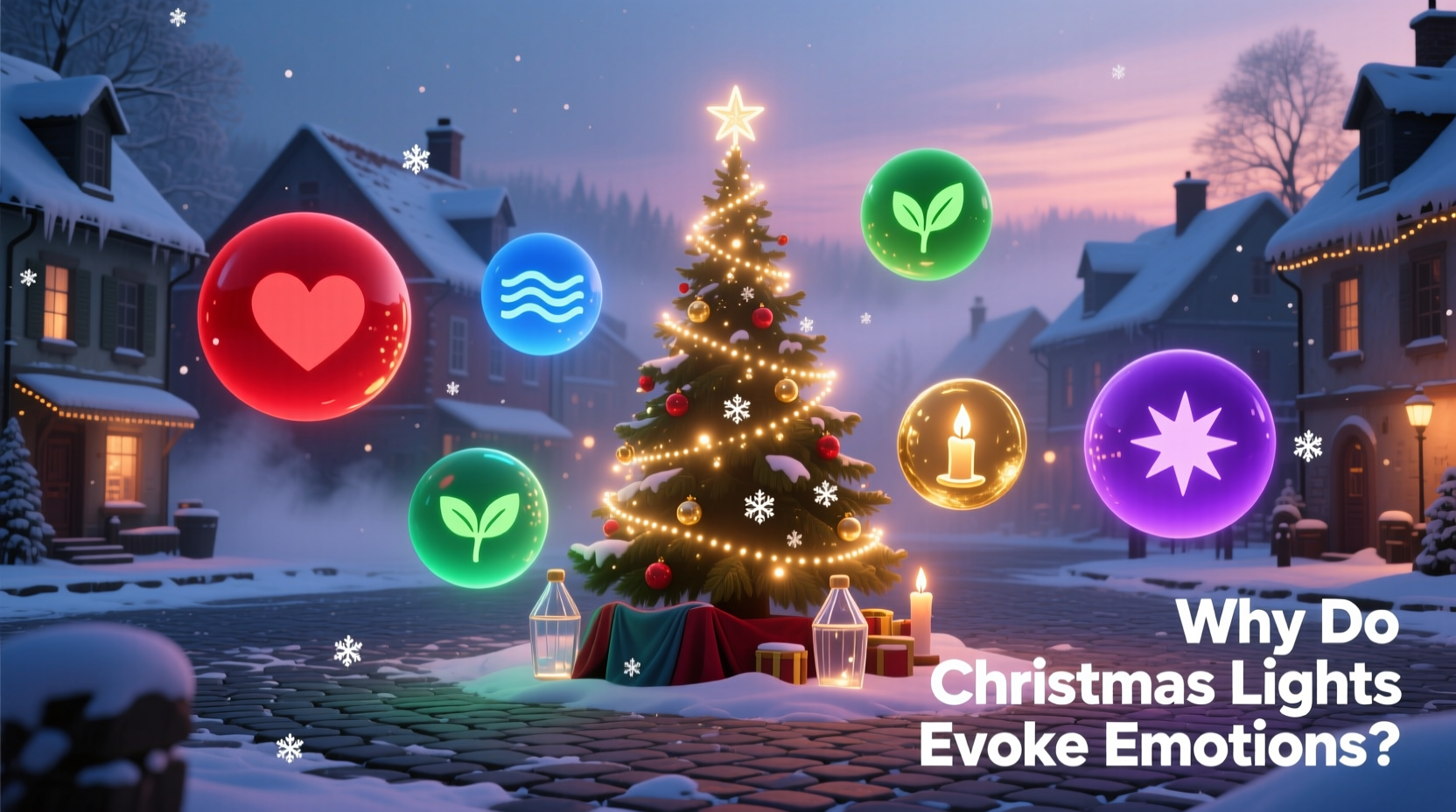
Human responses to color are influenced by both biological mechanisms and learned associations. At the core of this interaction is the way light affects our circadian rhythms and brain chemistry. Different wavelengths of light stimulate photoreceptors in the eyes, which then send signals to the hypothalamus—the region of the brain responsible for regulating mood, sleep, and hormone production.
For instance, warm-toned lights (such as amber, gold, or soft white) emit longer wavelengths similar to candlelight or sunset. These tones tend to promote relaxation by encouraging the body to maintain or increase melatonin levels, especially during the long, dark nights of December. In contrast, cooler lights—like icy blue or pure white LEDs—emit shorter wavelengths that mimic daylight. While they can enhance alertness, excessive exposure late in the evening may disrupt natural sleep patterns.
“Light doesn’t just help us see—it communicates directly with our nervous system. Warm lighting creates a physiological sense of safety and comfort.” — Dr. Lena Torres, Neuroscientist specializing in environmental perception
Psychologically, color associations develop early in life and are reinforced through repeated experiences. Red becomes linked with excitement because it appears in fire, blood, and celebration. Green evokes nature and renewal, making it a natural fit for evergreen trees and winter resilience. Over time, these connections become automatic, shaping how we react emotionally to visual stimuli—even something as simple as a strand of lights.
Cultural Symbolism Behind Christmas Colors
The meanings attached to Christmas light colors are also shaped by centuries of tradition, religious symbolism, and regional customs. What one culture sees as joyful, another might interpret differently—but certain themes emerge consistently across Western celebrations.
- Red: Universally associated with warmth, passion, and vitality. In Christian traditions, red symbolizes the blood of Christ, while in secular contexts, it represents Santa Claus, love, and energy.
- Green: Reflects the enduring life of evergreen plants during winter. Historically tied to pagan winter solstice festivals, green later became emblematic of hope and spiritual growth in Christian theology.
- Gold/Yellow: Signifies wealth, divinity, and light in darkness. Often used to represent the Star of Bethlehem, gold-toned lights carry an aura of reverence and elegance.
- Blue: Evokes serenity, spirituality, and the Virgin Mary in Catholic iconography. It's also associated with winter skies and snow-covered landscapes.
- White: Stands for purity, peace, and holiness. In modern settings, white lights suggest sophistication and simplicity.
- Multicolor: Represents diversity, festivity, and inclusivity. Common in public displays and family homes aiming for a playful, energetic atmosphere.
These interpretations aren’t static—they evolve with societal trends. For example, cool white LED lights gained popularity in the 2000s as symbols of modernity and efficiency, though many now find them too harsh compared to traditional incandescent warmth. Similarly, monochromatic blue or purple displays have emerged as artistic statements, sometimes reflecting personal identity or mental health awareness (e.g., blue lights for autism support).
Design Psychology: How Color Influences Holiday Atmosphere
Interior designers and urban planners apply principles of environmental psychology when selecting Christmas lighting schemes. The goal is not only aesthetic appeal but emotional impact—inviting people into spaces that feel welcoming, safe, or exhilarating depending on context.
In residential settings, homeowners often choose warm white or multicolor lights to foster a sense of cheer and familial warmth. Commercial districts, on the other hand, may use dynamic, colorful displays to attract foot traffic and stimulate excitement. Hospitals and care facilities sometimes opt for softer, blue-tinged lighting to reduce stress without sacrificing seasonal spirit.
| Setting | Common Light Colors | Intended Emotional Effect |
|---|---|---|
| Family Homes | Warm white, red/green, multicolor | Nostalgia, joy, comfort |
| Downtown Districts | Bright multicolor, animated sequences | Excitement, stimulation, wonder |
| Religious Buildings | White, gold, blue | Serene reverence, spiritual focus |
| Hospitals & Care Centers | Soft white, pale blue | Calm, reassurance, gentle cheer |
| Modern Apartments | Cool white, single-color accents | Sophistication, minimalism, clarity |
The placement and intensity of lighting further modulate emotional response. Twinkling or flickering effects simulate firelight, triggering subconscious feelings of safety and gathering. Steady illumination feels more formal or contemplative. Dimming controls allow users to shift the mood throughout the evening—from lively dinner parties to quiet midnight reflection.
A Real-World Example: Transforming a Community Space
In 2021, the city of Burlington, Vermont, redesigned its annual holiday display in response to community feedback about rising seasonal anxiety. Previous years had featured high-intensity, rapidly flashing multicolor lights along Main Street, drawing crowds but also complaints from residents with sensory sensitivities, including children with autism and elderly individuals with dementia.
Working with local psychologists and lighting designers, the city introduced a dual-path system: one vibrant route with classic festive animations, and a second “Tranquil Trail” lit exclusively with warm white and soft blue strings at lower brightness. Benches were placed every 50 feet, accompanied by QR codes linking to calming music playlists.
The results were telling. Emergency calls related to disorientation dropped by 37% compared to the prior year, and post-event surveys showed a 45% increase in satisfaction among families with neurodivergent members. One parent shared, “For the first time, my son could enjoy the lights without covering his ears. He kept saying, ‘It feels like magic, not noise.’”
This case illustrates how thoughtful color selection can expand inclusion while preserving tradition. It also underscores that emotional impact isn’t just personal—it’s communal, shaping collective experiences and accessibility.
How to Choose Christmas Lights Based on Desired Mood
Selecting the right color palette for your space involves more than preference—it’s about intention. Consider the primary function of the area and the emotional state you wish to encourage. Follow this step-by-step guide to align your lighting with your goals.
- Define the purpose of the space: Is it for lively gatherings, quiet reflection, family traditions, or public display?
- Assess your audience: Will children, elderly relatives, or guests with sensory sensitivities be present? <3> Choose a base tone: Start with warm white for universal comfort, or select a dominant hue based on desired emotion (e.g., blue for calm, red for energy).
- Add accent colors sparingly: Use complementary shades to add depth—green with white for natural harmony, gold with red for richness.
- Control brightness and movement: Opt for dimmable or programmable lights to adjust intensity. Avoid rapid flashing if promoting relaxation.
- Test before finalizing: Observe the lights at dusk and full dark. Note how they interact with surrounding elements like snow, glass, or tree texture.
“Color is a tool, not just a decoration. When used mindfully, it can transform a house into a sanctuary.” — Maya Chen, Environmental Designer and author of *Light & Belonging*
Checklist: Emotion-Focused Christmas Lighting Plan
- ☐ Identify the primary emotion you want to evoke (joy, peace, nostalgia, etc.)
- ☐ Select 1–2 main colors aligned with that emotion
- ☐ Ensure lighting is adjustable (dimmer switches or smart controls)
- ☐ Avoid overly bright or strobing effects in rest areas
- ☐ Include non-light elements (candles, textures, music) to reinforce mood
- ☐ Reassess after installation—does it feel as intended?
Frequently Asked Questions
Can Christmas light colors affect my mood if I’m not consciously paying attention?
Yes. Subconscious processing of light and color occurs continuously. Even peripheral exposure to bright, flashing multicolor lights can elevate heart rate and cortisol levels slightly, while warm ambient lighting can reduce stress markers over time. Your environment shapes your internal state, whether you're actively noticing it or not.
Are there psychological downsides to using only one color of Christmas lights?
Not inherently—but monotony can dull emotional engagement. A single color may convey a strong mood (e.g., all-blue for serenity), but lacks the dynamic range that stimulates varied emotional responses. Balance is key: monochromatic schemes work well in small doses or specific zones, but most people benefit from some visual variety in shared spaces.
Is there a “best” color for reducing holiday stress?
Warm white and soft amber are consistently rated highest for promoting relaxation. Their spectral similarity to firelight and candle glow triggers ancestral associations with safety and shelter. Pairing them with natural materials like wood or wool enhances their calming effect. Cool blue can also help, but avoid high-intensity versions that mimic screens or fluorescent lighting.
Final Thoughts: Lighting with Intention
Christmas lights are more than decorative—they’re emotional storytellers. Each hue carries layers of meaning shaped by science, memory, and culture. Recognizing this empowers us to move beyond random ornamentation and instead craft lighting designs that resonate deeply with those who experience them.
Whether you're illuminating a front porch, decorating a tree, or planning a neighborhood display, consider not just how it looks, but how it makes people feel. A warm white strand might remind someone of childhood winters with grandparents. A gentle blue glow could offer solace to someone grieving. And a burst of multicolor joy might reignite wonder in a world that often feels too serious.
The most memorable holiday lights aren’t necessarily the brightest—they’re the ones that touch the heart.




 浙公网安备
33010002000092号
浙公网安备
33010002000092号 浙B2-20120091-4
Comments
No comments yet. Why don't you start the discussion?