
The reputation of Chechens as fierce, fearless warriors has echoed across regions and generations. From the rugged Caucasus Mountains to global diaspora communities, Chechen men and women are often perceived not just as survivors, but as figures who command respect—and sometimes fear. This perception is neither random nor based solely on stereotypes. It stems from a complex interplay of history, culture, resistance, and identity. Understanding why Chechens are feared requires moving beyond sensational headlines and examining the deeper forces that have shaped their collective character.
A Legacy Forged in Resistance
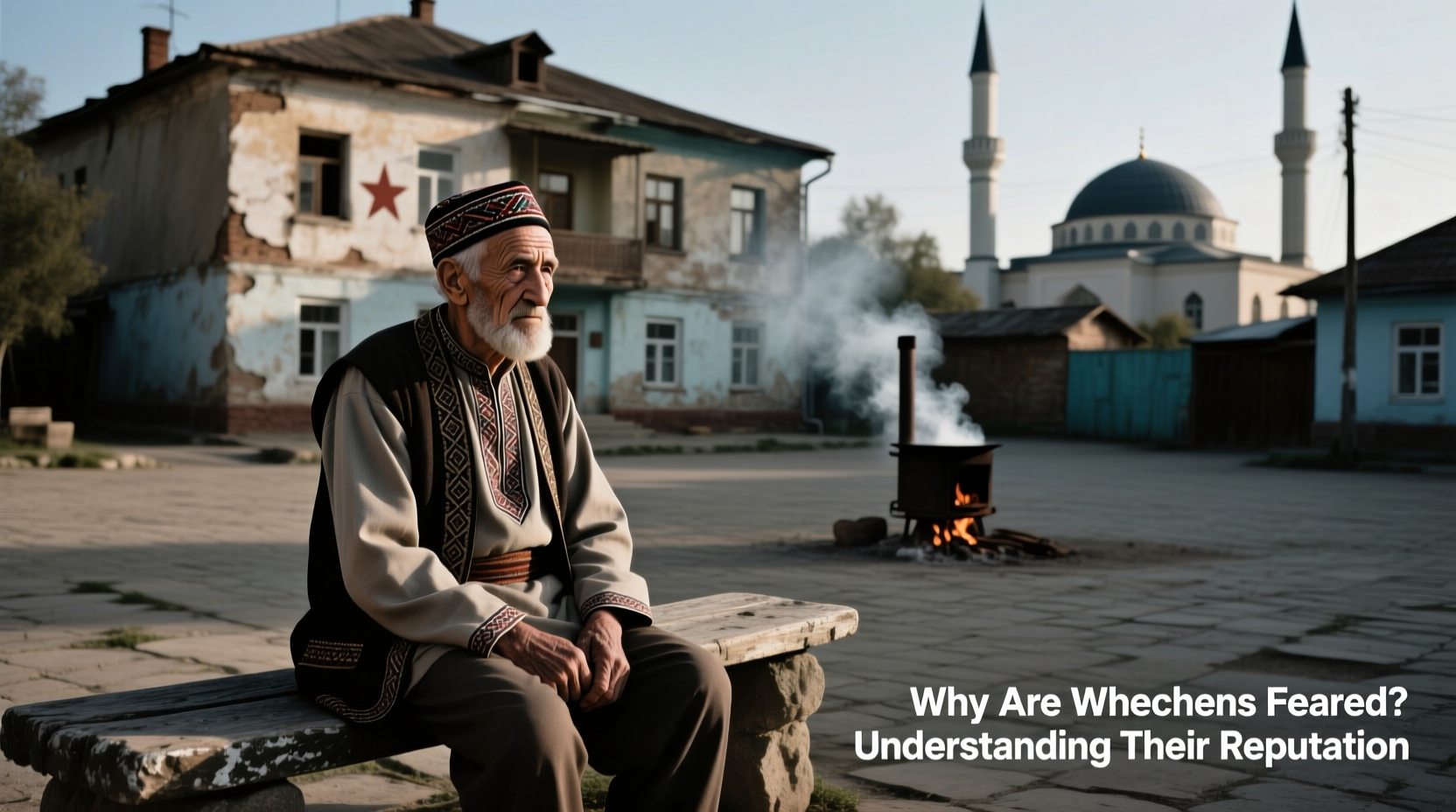
Chechnya’s geographic location—nestled between the Black and Caspian Seas in the North Caucasus—has made it a strategic crossroads for empires. Over centuries, the region endured invasions by Persians, Ottomans, and most significantly, the Russian Empire and later the Soviet Union. Each wave of conquest was met with sustained resistance. The 19th-century Caucasian War, led by Imam Shamil under the banner of the Caucasian Imamate, saw Chechens and other highland peoples wage decades of guerrilla warfare against imperial Russian forces. Though ultimately subdued, this struggle embedded a cultural ethos of defiance and self-reliance.
The 20th century deepened this legacy. In 1944, Stalin accused the entire Chechen nation of collaboration with Nazi Germany—a claim widely discredited—and ordered the deportation of over 500,000 Chechens to Central Asia. Nearly half perished due to harsh conditions. This trauma, known as Operation Lentil, became a cornerstone of Chechen national memory. Their return to the homeland in the 1950s, followed by renewed calls for independence after the Soviet collapse, set the stage for two brutal wars in the 1990s and early 2000s.
In both conflicts, vastly outnumbered and outgunned Chechen fighters used asymmetric tactics to resist Russian military might. The Battle of Grozny in 1994–1995, where small units decimated armored columns in urban combat, shocked military analysts worldwide. These events cemented the image of Chechens as tenacious, resourceful, and unyielding—even when facing overwhelming odds.
“Courage is not the absence of fear, but the ability to act in spite of it. In Chechen society, honor demands action.” — Dr. Leila Magomedova, Caucasus Anthropologist
Cultural Foundations of Strength and Honor
The Chechen worldview is deeply rooted in adat—a traditional code of ethics emphasizing personal courage (nokhchallah), loyalty to family and clan, hospitality, and justice. Under adat, a man’s worth is measured by his integrity, bravery, and protection of the vulnerable. Cowardice or betrayal is among the gravest social sins.
This moral framework shapes behavior from childhood. Boys are taught to defend their family’s honor; girls are raised with equal emphasis on dignity and resilience. Disputes are traditionally resolved through councils of elders, but personal retaliation—while discouraged today—is historically understood as a last resort when justice fails.
The concept of barz, or revenge, though increasingly mediated by law and religion, still influences perceptions of Chechen conduct. Outsiders unfamiliar with the nuances may interpret strong responses to insults or attacks as excessive, reinforcing the idea of Chechens as quick to violence. In reality, such actions are often governed by strict internal codes—not random aggression.
Modern Geopolitics and the Kadyrov Era
Since the mid-2000s, Chechnya has been governed by Ramzan Kadyrov, a former rebel commander turned Kremlin ally. Backed by substantial Russian funding, Kadyrov has rebuilt Grozny and imposed strict social order—often through authoritarian means. His paramilitary forces, the Kadyrovtsy, are known for their loyalty, discipline, and alleged involvement in human rights abuses, including enforced disappearances and suppression of dissent.
To many outsiders, Kadyrov’s rule reinforces the image of Chechens as both feared enforcers and victims of repression. His public persona—posting videos of himself with heavy weaponry, making bold political statements, and promoting conservative Islamic values—adds to the mystique. While he claims to represent Chechen pride, critics argue he has distorted traditional values into tools of control.
Nonetheless, within Chechnya, stability after years of war has brought tangible improvements: new infrastructure, restored religious sites, and reduced crime. For many locals, security comes at a cost, but it is a cost they accept after decades of devastation.
Global Diaspora and Misconceptions
Chechen communities exist across Europe, the Middle East, and North America—many formed by refugees fleeing war. In countries like Jordan, Turkey, Austria, and France, Chechens are often recognized for tight-knit family structures and strong community defense mechanisms. However, isolated incidents involving organized crime or vigilante justice have fueled negative stereotypes.
It's crucial to distinguish between individual criminal acts and broader ethnic traits. Like any large group, Chechens include people of all professions and moral standings—doctors, teachers, artists, and activists. Yet media coverage tends to spotlight extremes, especially those tied to conflict or terrorism, further entrenching fear-based narratives.
A more balanced view recognizes that the \"fear\" associated with Chechens often reflects admiration misinterpreted through a lens of power imbalance. A soldier surviving alone behind enemy lines, a mother protecting her children during bombardment, or a community rebuilding from rubble—all embody strength that commands awe, even if misunderstood as menace.
Case Study: The Berlin Restaurant Incident (2017)
In 2017, a dispute erupted in a Berlin restaurant between a local gang and a group of Chechen youths. What began as verbal conflict escalated when one Chechen teenager intervened to protect an elderly man being harassed. Within minutes, the situation de-escalated without serious injury—but video footage spread online, labeled as “Chechen gang violence.”
Local investigators later revealed that the Chechen group had no criminal record and acted defensively. Community leaders emphasized that their response aligned with nokhchallah: protecting the weak. Despite this, headlines focused on ethnicity rather than context. The case illustrates how cultural values can be misrepresented, feeding fear instead of understanding.
Understanding vs. Stereotyping: A Practical Checklist
- Educate yourself on Chechen history beyond wartime headlines.
- Recognize that courage and honor are central to Chechen identity, not aggression.
- Avoid generalizing behaviors of individuals to an entire ethnic group.
- Respect the impact of trauma from deportation and war on collective memory.
- Engage with Chechen voices directly—through literature, interviews, or dialogue.
Do’s and Don’ts When Discussing Chechen Culture
| Do | Don’t |
|---|---|
| Refer to their resistance as a response to invasion, not inherent violence. | Say “Chechens are naturally aggressive” or “born fighters.” |
| Acknowledge their rich oral poetry, music, and traditions. | Reduce their identity to war or terrorism. |
| Use terms like “resilience,” “dignity,” and “self-determination.” | Use loaded labels like “fanatic” or “terrorist” without context. |
| Listen to Chechen perspectives on sovereignty and survival. | Assume all Chechens support Kadyrov or extremism. |
Frequently Asked Questions
Are Chechens Muslims? Does religion drive their reputation?
Most Chechens are Sunni Muslims, but their religious practice blends Sufi traditions with indigenous customs. While Islam plays a role in identity, the reputation for fearlessness predates widespread Islamization and is more closely tied to adat and historical resistance than theology.
Are Chechens part of Russia today?
Yes. Chechnya is a republic within the Russian Federation. It operates under significant autonomy but remains politically subordinate to Moscow. Independence movements persist but are suppressed.
Is it true that Chechen fighters were involved in international conflicts?
Some Chechen veterans have participated in conflicts abroad, including Syria and Ukraine. However, these individuals represent factions or personal choices, not official policy or consensus. Most Chechens prioritize rebuilding their homeland over foreign engagement.
Conclusion: Beyond Fear, Toward Understanding
The fear surrounding Chechens is less about who they are and more about what they represent: unconquerable will in the face of erasure. Their reputation was earned through centuries of defending their land, language, and dignity against overwhelming force. Rather than viewing them through a lens of apprehension, the world would benefit from recognizing their story as one of endurance, cultural pride, and moral complexity.
True understanding begins with asking better questions—not “Why are Chechens feared?” but “What can we learn from a people who refused to disappear?”




 浙公网安备
33010002000092号
浙公网安备
33010002000092号 浙B2-20120091-4
Comments
No comments yet. Why don't you start the discussion?