
Coach has been a staple in American luxury accessories for over 80 years. Known for its timeless silhouettes, durable leather goods, and recognizable turnlock hardware, the brand occupies a unique space between accessible luxury and high-end fashion. Yet many consumers wonder: Why are Coach purses so expensive? At first glance, a $350 to $600 price tag for a handbag may seem steep—especially when compared to fast-fashion alternatives. But beneath the surface, multiple factors contribute to the cost. From material quality and artisanal construction to brand equity and retail strategy, the pricing reflects more than just aesthetics. Understanding these elements reveals that the investment often aligns with longevity, design integrity, and heritage.
Heritage and Brand Value
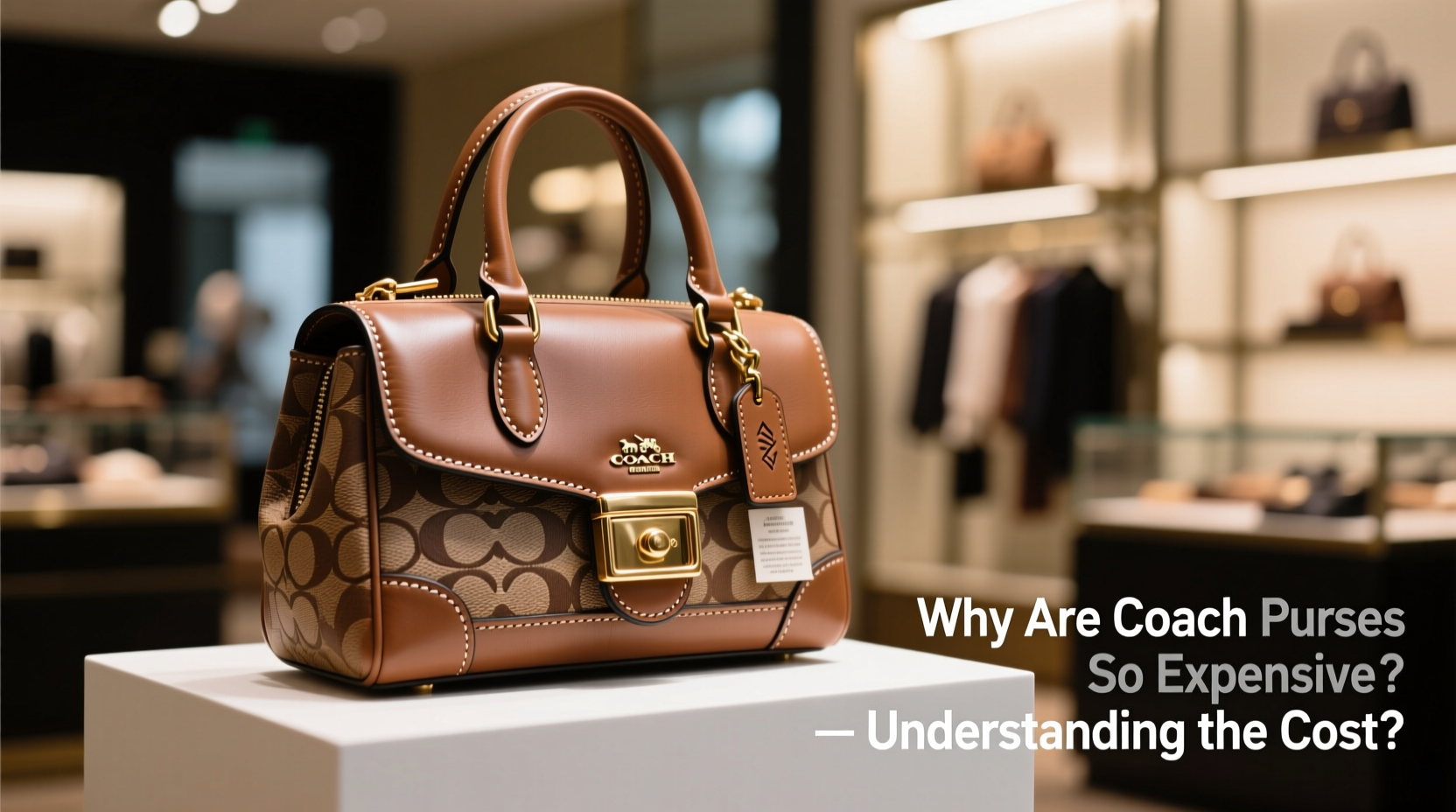
Founded in 1941 in a Manhattan loft, Coach began as a small workshop crafting men’s wallets from surplus leather. What set the brand apart early on was its focus on function, durability, and understated elegance. Over decades, Coach evolved into a globally recognized symbol of accessible luxury. The brand's reputation is built on consistency—each generation of customers associates Coach with reliability and classic style.
Brand value isn't just marketing fluff; it directly influences pricing. When you purchase a Coach purse, you're not only paying for materials and labor—you're also investing in a legacy. Luxury economists refer to this as \"brand premium,\" where consumer trust and emotional connection justify higher margins. As fashion historian Dr. Lila Monroe notes:
“Coach mastered the balance between exclusivity and accessibility. Their bags feel special without being unattainable—this duality strengthens perceived value.” — Dr. Lila Monroe, Fashion Historian
This cultivated image allows Coach to maintain premium pricing while still appealing to middle-income shoppers who view the bag as a milestone purchase.
Materials and Craftsmanship
One of the most tangible reasons for the high cost of Coach purses lies in the materials used and how they’re assembled. Unlike mass-produced accessories made from synthetic fabrics or low-grade leather, Coach primarily uses full-grain and top-grain leather—premium hides known for their strength, texture, and ability to develop a rich patina over time.
The tanning process alone adds significant cost. Coach partners with tanneries that meet strict environmental and ethical standards, using methods that preserve the natural grain while enhancing durability. These processes take longer and require skilled technicians, increasing production expenses.
Inside each bag, details matter. Stitching is reinforced with high-tensile thread, zippers are sourced from reputable suppliers like YKK, and interior linings are designed to resist fraying. Many styles still involve hand-finishing steps such as edge painting, strap burnishing, and hardware alignment—labor-intensive touches that machines can’t replicate perfectly.
Design, Development, and Innovation
Behind every Coach purse is a team of designers, pattern-makers, and product developers working months in advance. Seasonal collections require extensive research—from trend forecasting to ergonomic testing. A single bag may go through dozens of prototypes before final approval.
Innovation also plays a role. Coach has invested heavily in proprietary technologies like Signature Canvas (a coated fabric resistant to scuffs and moisture) and glovetanned leather (a soft yet resilient hide exclusive to the brand). These innovations aren’t just about aesthetics—they enhance usability and lifespan, justifying higher prices.
Moreover, Coach frequently collaborates with artists and designers (such as Stuart Vevers’ work with contemporary illustrators) to create limited editions. These collaborations increase desirability and often command premium pricing due to their collectible nature.
Production and Labor Costs
While some manufacturing occurs overseas, Coach maintains strict oversight across its supply chain. Factories are audited regularly for compliance with labor laws, safety standards, and environmental regulations. This accountability comes at a cost—but avoids the ethical pitfalls associated with fast fashion.
Skilled artisans earn fair wages, which contributes to stable production quality. According to industry reports, handbag assembly lines in certified facilities can cost up to 30% more than those in unregulated regions. However, this ensures consistent output and reduces defects, ultimately saving money in returns and brand damage.
Additionally, Coach implements rigorous quality control. Each bag undergoes multiple inspection points before shipping. Defective units are either repaired or discarded—never sold at full price. This commitment to excellence affects yield rates but reinforces customer trust.
Marketing, Retail, and Distribution
The final price of a Coach purse includes substantial overhead beyond the factory floor. Marketing campaigns, celebrity endorsements, and digital advertising all factor into the cost. Coach regularly features in major fashion magazines, sponsors runway events, and maintains influencer partnerships—all designed to sustain brand visibility and desirability.
Retail presence also drives expense. While online sales have grown, Coach operates hundreds of boutiques worldwide. Rent, staff salaries, visual merchandising, and inventory management add layers of cost. Even third-party retailers like Nordstrom or Bloomingdale’s mark up products to cover their own operational expenses.
To illustrate the breakdown of costs, consider the following simplified table:
| Cost Factor | Estimated % of Final Price | Description |
|---|---|---|
| Materials (leather, hardware, lining) | 30% | Premium hides, branded zippers, durable fabrics |
| Labor & Manufacturing | 20% | Skilled assembly, quality checks, packaging |
| Design & Development | 10% | Prototyping, trend research, collaboration projects |
| Marketing & Advertising | 15% | Campaigns, sponsorships, social media promotion |
| Retail & Distribution | 20% | Store operations, logistics, e-commerce platforms |
| Profit Margin | 5% | Company reinvestment and shareholder returns |
Real-World Example: The Legacy Tote
Take the Coach Willow Tote—a bestseller since its debut. Priced around $495, it appears simple: a structured leather tote with dual handles and a zip closure. But users report carrying it daily for five years or more with minimal wear. One owner, Sarah M., a paralegal from Chicago, shared her experience:
“I bought my Coach tote in 2018. I use it for work—laptop, files, gym clothes. After four winters of snow, coffee spills, and constant use, it still looks polished. I spent $75 on a cheap alternative last year and replaced it within six months. In hindsight, the Coach paid for itself.”
This kind of durability illustrates the concept of cost per use. If a $500 bag lasts five years and is used three times a week, the effective cost is less than $2 per use. Compare that to a $100 bag lasting one year with the same usage—nearly $2 per use, but with lower quality and no resale value.
How to Maximize Your Investment
Buying a Coach purse is only part of the equation. Proper care extends its life and preserves resale value. Follow this checklist to protect your investment:
- Use a dust bag when storing to prevent dust buildup and scratches.
- Avoid direct sunlight and heat sources that can dry out leather.
- Clean spills immediately with a dry, soft cloth—never water-based cleaners unless specified.
- Rotate your bags to reduce strain and allow materials to rest.
- Condition leather every 3–6 months with a pH-balanced product.
- Keep hardware protected by storing with tissue inside to prevent rubbing.
Frequently Asked Questions
Are Coach purses worth the price?
For many consumers, yes. The combination of high-quality materials, timeless design, and long-term durability makes Coach bags a smart investment. They often retain value better than fast-fashion brands and can be resold through consignment shops or online marketplaces.
Do Coach bags go on sale often?
Yes. Coach offers seasonal promotions, especially during holidays and end-of-season clearance events. Outlet stores and the company’s official “Coach Clearance” section provide discounted options, though these may include older styles or slight imperfections.
Is Coach still considered a luxury brand?
Coach positions itself as an “accessible luxury” brand. It’s not in the same tier as Hermès or Chanel, but it delivers luxury-level craftsmanship at a fraction of the price. Its status remains strong among professionals seeking quality without extravagance.
Conclusion: Value Beyond the Price Tag
The cost of a Coach purse reflects far more than just a logo. It encompasses decades of brand building, meticulous attention to detail, ethical production practices, and a commitment to functional beauty. While the upfront price may give pause, the long-term value—measured in durability, versatility, and personal satisfaction—often justifies the expense.
When viewed not as a fleeting trend but as a lasting accessory, a Coach bag becomes more than an item; it becomes part of your daily story. Whether carried to the office, packed for travel, or passed down to a younger family member, its utility and elegance endure.




 浙公网安备
33010002000092号
浙公网安备
33010002000092号 浙B2-20120091-4
Comments
No comments yet. Why don't you start the discussion?