
It’s a familiar story: you click “buy” on concert tickets excited to see your favorite artist live, only to find the final price nearly doubles—or even triples—the face value. What happened? Hidden fees, service charges, and dynamic pricing models have transformed live event purchasing into a confusing financial puzzle. Behind the scenes, a complex ecosystem of promoters, ticketing platforms, and data algorithms drives up costs in ways most fans don’t fully understand. This article unpacks why concert tickets have become so expensive, explaining the role of service fees, dynamic pricing, and the business decisions shaping modern ticket sales.
The Anatomy of a Ticket Price
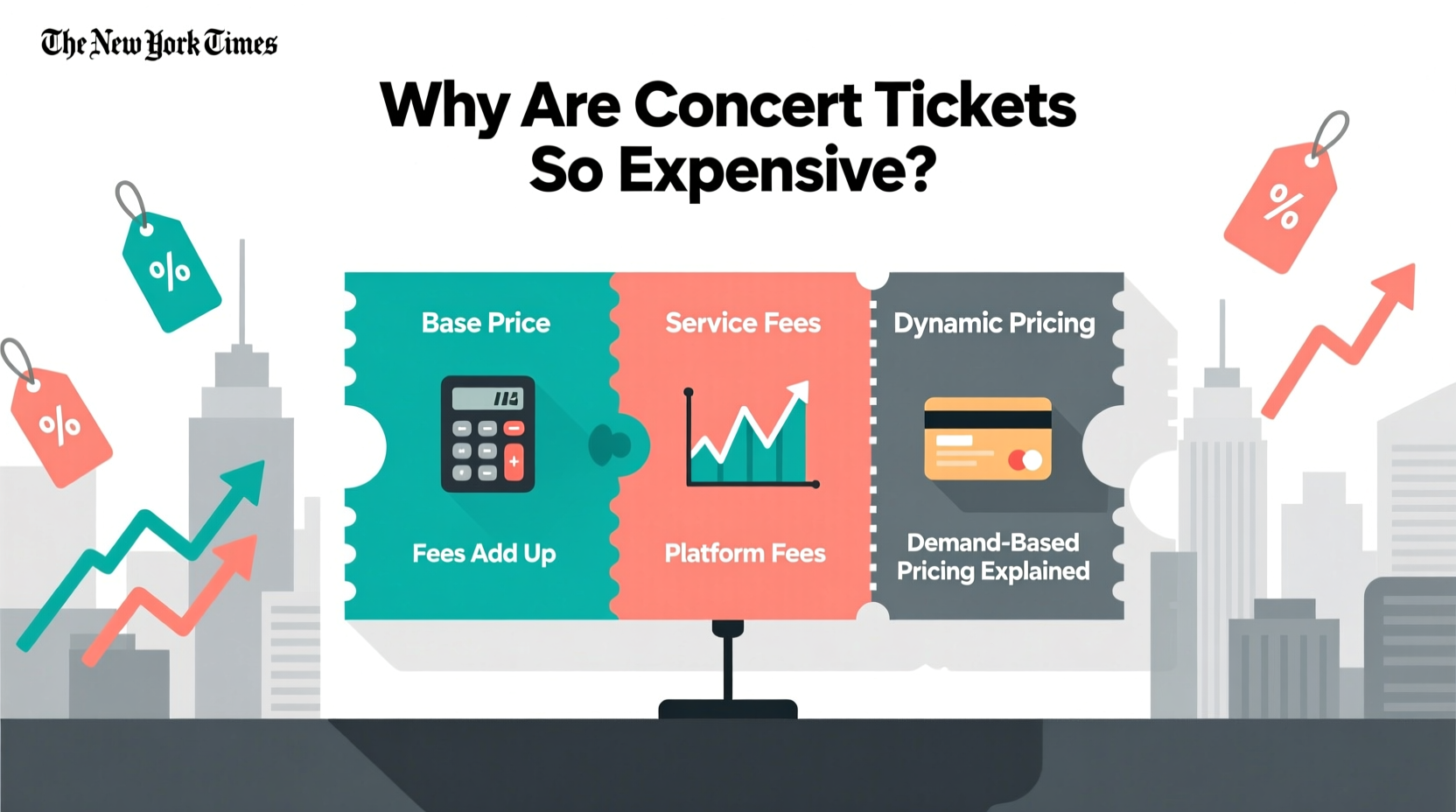
When you view a concert ticket listed at $75, that number is often misleading. The displayed price is rarely what you’ll actually pay at checkout. Most ticketing platforms use a strategy called \"sticker shock deflection,\" where base prices appear low but additional charges pile up before purchase completion.
A typical ticket breakdown might look like this:
| Component | Example Amount | Description |
|---|---|---|
| Base Ticket Price | $75.00 | The initial cost set by the venue or promoter. |
| Facility Fee | $12.50 | Charged by the venue to cover operational costs. |
| Service Fee | $18.00 | Collected by the ticketing platform (e.g., Ticketmaster). |
| Order Processing | $6.50 | Handling fee per order, regardless of ticket count. |
| Delivery/Paperless Access | $4.00 | Digital delivery or mobile entry charge. |
| Total | $116.00 | An increase of over 54% from the listed price. |
This model shifts blame away from venues and promoters, who can advertise lower starting prices while passing on overhead to third-party platforms. But consumers end up paying more—without always realizing how much each component contributes.
Dynamic Pricing: The Algorithm Behind the Scenes
Dynamic pricing has become standard in industries from airlines to ride-sharing—and now dominates live entertainment. Unlike fixed pricing, dynamic models adjust ticket costs in real time based on demand, timing, seat location, and even user behavior.
For example, if a highly anticipated band announces a tour, early tickets may be priced moderately. But as sell-out likelihood increases, prices rise automatically. A ticket originally listed at $90 could jump to $220 within hours if demand spikes. This isn't speculation—it's algorithm-driven profit optimization.
Platforms like Ticketmaster use proprietary systems such as “Platinum Pricing,” which removes traditional face values and sells high-demand seats at market rates. In essence, they function like auction houses, letting supply and demand dictate final costs.
“Dynamic pricing allows us to capture true market value for premium inventory.” — Peter Williams, Former Chief Economist at Live Nation
Critics argue this system favors scalpers and deep-pocketed buyers, pushing out average fans. Yet companies defend it as a way to reduce secondary market exploitation and ensure events fill efficiently.
How Dynamic Pricing Works Step-by-Step
- Demand Forecasting: Algorithms analyze past sales, fan engagement, social media buzz, and search volume to predict interest.
- Inventory Segmentation: Seats are categorized by desirability (e.g., floor vs. balcony) and grouped into pricing tiers.
- Real-Time Adjustments: Prices change hourly or even minute-by-minute during on-sale periods.
- User Tracking: Some systems track browsing history; returning visitors may see higher prices due to perceived intent.
- Yield Optimization: The goal is to maximize revenue across all seating levels before the event date.
This process benefits promoters and artists financially but often alienates loyal fans who feel priced out of experiences they once accessed affordably.
The Role of Third-Party Sellers and Scalping
Even when buying directly from official sites, many fans unknowingly support secondary markets. Verified resale sections on platforms like Ticketmaster operate under names like “Official Resale” or “Fan-to-Fan Exchange.” While these claim legitimacy, they still enable inflated pricing.
Consider this scenario:
Mini Case Study: Taylor Swift’s Eras Tour
In 2023, millions of fans attempted to buy tickets for Taylor Swift’s Eras Tour through Ticketmaster. Despite pre-registration and queue systems, demand overwhelmed capacity. Many tickets disappeared instantly, reappearing moments later on resale sites at astronomical markups—some exceeding $5,000.
Though not technically “scalped” by bots (in most cases), these were dynamically priced tickets sold through authorized channels at peak demand. Regulatory scrutiny followed, with U.S. lawmakers investigating whether anti-scalping laws were being circumvented via legal resale mechanisms.
The result? Fans paid record prices, not because of illegal activity, but due to legally sanctioned pricing strategies enabled by technology and weak consumer protections.
Who Gets the Money? Revenue Distribution Breakdown
One common misconception is that high ticket prices primarily benefit the performing artist. In reality, earnings are divided among multiple stakeholders.
| Stakeholder | Typical Share | Notes |
|---|---|---|
| Artist | 20–35% | Varies by contract; top-tier acts may negotiate higher cuts. |
| Promoter | 25–35% | Covers marketing, logistics, insurance, and guarantees to artists. |
| Venue | 15–25% | Includes rental fees, staffing, and facility maintenance. |
| Streaming Rights / Royalties | 5–10% | Applies to livestreamed concerts or broadcast deals. |
| Service Fees & Platform Markup | 15–25% | Ticketing company profits and processing costs. |
Note that service fees and platform margins often match or exceed the artist’s share. This highlights how infrastructure—not creativity—drives much of the cost structure in today’s live music economy.
Practical Tips to Save on Concert Tickets
You don’t have to accept sky-high prices as inevitable. With planning and smart strategies, it’s possible to attend shows without breaking the bank.
- Set price alerts using tools like SeatGeek or Bandsintown.
- Avoid last-minute purchases; peak demand drives up both primary and secondary prices.
- Check non-major venues; smaller gigs by emerging artists offer authentic experiences at affordable rates.
- Buy tickets as soon as general sale opens—if available—before dynamic algorithms inflate them.
- Compare total costs across platforms, including delivery and processing fees.
Concert Ticket Buying Checklist
- ✅ Research the artist’s tour schedule and announcement patterns.
- ✅ Register for verified fan programs or presales.
- ✅ Prepare payment info and login credentials ahead of sale time.
- ✅ Use desktop browsers with ad blockers disabled for faster loading.
- ✅ Review the full price—including all fees—before checkout.
- ✅ Consider weekday shows or matinees, which may be cheaper than weekend performances.
- ✅ Monitor resale markets cautiously after initial sales conclude.
Frequently Asked Questions
Are service fees mandatory?
Yes, most service fees are non-negotiable and built into the transaction. However, some nonprofit venues or community events may absorb these costs to keep tickets accessible.
Can I avoid dynamic pricing?
Not entirely, but you can minimize exposure. Buy early in the sales cycle when demand is lower, or target less popular show dates (e.g., Tuesday nights). Avoid purchasing during peak hours like Friday evenings.
Is there any regulation on ticket pricing?
Limited. The U.S. BOTS Act bans the use of bots for bulk ticket purchases, but loopholes remain. Several states require full upfront disclosure of total ticket prices, including fees, but enforcement varies widely.
What the Future Holds: Transparency and Reform
Public frustration over opaque pricing has sparked calls for reform. Proposed solutions include:
- All-Inclusive Pricing Laws: Requiring platforms to display total cost—including fees—at first glance.
- Anti-Dynamic Pricing Measures: Capping how much prices can fluctuate post-initial sale.
- Increased Competition: Breaking monopolistic control of major ticketing firms to encourage innovation and fairer practices.
In 2023, the U.S. Department of Justice launched an antitrust investigation into Live Nation-Ticketmaster, citing concerns about anti-competitive behavior. While no immediate changes have emerged, increased oversight could lead to more equitable ticketing models in the coming years.
Until then, awareness remains the best tool for consumers. Understanding how fees accumulate and how dynamic pricing responds to behavior empowers fans to make informed choices.
Conclusion: Take Control of Your Live Experience
Concert ticket prices aren’t rising just because artists want more money—they’re the product of layered financial systems designed to extract maximum value from passionate audiences. From hidden fees to algorithmic markups, the journey from “I want to go” to “I bought it” is fraught with invisible costs.
But knowledge changes power dynamics. By understanding the mechanics behind pricing, recognizing red flags, and using strategic buying habits, you reclaim agency in a system built to exploit urgency and emotion.




 浙公网安备
33010002000092号
浙公网安备
33010002000092号 浙B2-20120091-4
Comments
No comments yet. Why don't you start the discussion?