
It used to be simple: you found a show you wanted to see, bought a ticket online or at the box office, and showed up. Today, that same process can leave you staring at a final price three times higher than the original listing—without realizing how it happened. Concert tickets have become increasingly unaffordable for many fans, not because of one single factor, but due to a complex web of hidden fees, dynamic pricing models, and corporate consolidation in the live entertainment industry. Understanding these forces is the first step toward making smarter purchasing decisions and advocating for fairer access to live music.
The Anatomy of a Ticket Price: What You See vs. What You Pay
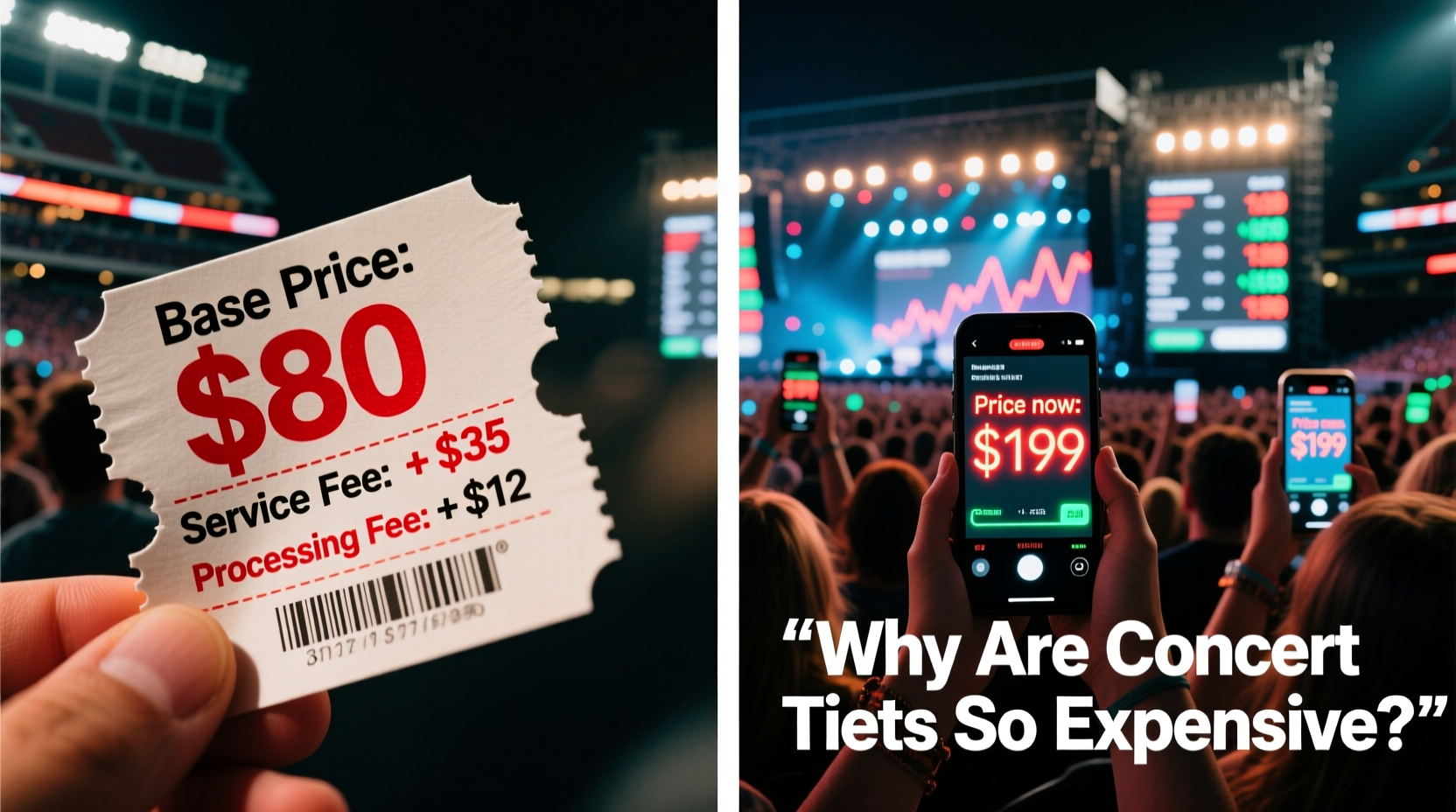
When you search for concert tickets online, the initial price displayed is often misleading. A $50 ticket might end up costing $98 after processing. This discrepancy stems from what the industry calls \"fees\"—a broad category that includes service charges, facility surcharges, order processing, delivery, and even “convenience” fees for using a credit card. These are rarely disclosed upfront, creating confusion and frustration among consumers.
In 2023, the U.S. Federal Trade Commission (FTC) launched an inquiry into ticketing practices, citing concerns over transparency. According to their findings, some platforms add as much as 40–60% in additional charges on top of the base ticket price. These fees aren’t just annoying—they fundamentally distort consumer expectations and reduce trust in the purchasing process.
| Fee Type | Description | Average Cost Range |
|---|---|---|
| Service Fee | Charged by the ticketing platform for facilitating the sale | $10–$25 per ticket |
| Facility Fee | Paid to the venue to cover operational costs | $5–$15 per ticket |
| Order Processing | Administrative cost for handling your transaction | $3–$8 |
| Delivery Fee | For shipping physical tickets or digital access | $2–$10 |
| Dynamic Pricing Surcharge | Added when demand spikes; varies widely | $0–$100+ |
How Dynamic Pricing Inflates Ticket Costs
Dynamic pricing—also known as surge pricing or demand-based pricing—has become standard across major ticketing platforms like Ticketmaster and Live Nation. Inspired by airline and ride-sharing models, this system adjusts prices in real time based on demand, timing, seat location, and even user behavior (such as how long you spend browsing).
For example, if a popular artist announces a tour and thousands rush to buy tickets within minutes, algorithms detect high demand and automatically increase prices. A front-row seat might start at $150 but climb to $800 or more within hours. Conversely, if sales are slow, prices may drop closer to the event date. While this benefits venues and promoters by maximizing revenue, it often locks out average fans who can't afford inflated peak prices.
One notable case occurred during Taylor Swift’s *Eras Tour* in 2023. Despite advertised starting prices around $49, many fans reported final costs exceeding $400 after fees and dynamic adjustments—even for mid-level seats. The overwhelming demand triggered automated price hikes, while bot activity further strained availability. This led to widespread backlash and congressional scrutiny over market fairness.
“Dynamic pricing turns concerts into auctions. If you’re not bidding with disposable income, you’re priced out.” — Dr. Lydia Chen, Cultural Economist at NYU
The Role of Bots and Scalpers in Driving Up Prices
While dynamic pricing is legal and implemented by official vendors, secondary markets and automated bots significantly compound the problem. Bots—software programs designed to purchase large volumes of tickets instantly—can bypass security measures and secure hundreds of seats before real fans even get a chance.
These tickets then appear on resale sites like StubHub, Vivid Seats, or SeatGeek at dramatically marked-up prices. A $75 ticket might resell for $600 simply because supply is artificially constrained. Although laws like the U.S. BOTS Act (Better Online Ticket Sales Act) of 2016 aim to curb this practice, enforcement remains inconsistent, and many scalpers operate through offshore platforms beyond regulatory reach.
Even when tickets aren’t bought by bots, verified fan programs and presales often favor credit card partners or loyalty members, giving certain groups early access. This creates a tiered system where wealthier or more connected individuals consistently gain advantage.
Mini Case Study: The Weeknd’s After Hours Tour
In 2022, fans attempting to buy tickets for The Weeknd’s sold-out North American leg encountered significant hurdles. The initial sale opened with base prices ranging from $60 to $250. However, within 12 minutes, most tickets were either sold out or listed on resale platforms for over $1,000. Investigations later revealed that over 30% of the inventory had been purchased by bot networks linked to known resellers in Eastern Europe. By the time general public sales resumed, available options were limited to premium packages or inflated secondary listings. Many fans ultimately paid triple the face value—or gave up entirely.
Corporate Consolidation and Its Impact on Competition
Another critical factor contributing to high ticket prices is the lack of competition in the live events industry. Live Nation Entertainment owns both Ticketmaster (the dominant ticketing platform) and operates numerous concert venues and festivals. This vertical integration gives them unprecedented control over supply, distribution, and pricing.
Because Live Nation controls so much of the ecosystem—from artist management to venue booking to ticket sales—they can prioritize their own financial interests over consumer affordability. Independent promoters and smaller venues often must use Ticketmaster’s services due to exclusive contracts, limiting alternative ticketing options.
This concentration reduces incentives for transparency or innovation in pricing. With little pressure from competitors, there’s minimal pushback against aggressive fee structures or opaque algorithms. Critics argue that this constitutes anti-competitive behavior, prompting calls for antitrust investigations and potential breakup of the conglomerate.
What Can Fans Do? A Practical Checklist
- Use price-tracking tools: Websites like SeatPick or Gametime compare prices across platforms and alert you to drops.
- Sign up for artist presales: Register through official fan clubs or verified fan programs to access earlier, potentially cheaper tickets.
- Avoid last-minute purchases: Prices typically spike within 48 hours of the event.
- Check for bundled deals: Some tours offer discounts when buying parking, merch, or VIP upgrades together.
- Look beyond primary sellers: Community forums or university ticket exchanges sometimes offer fair-priced transfers without markup.
- Support legislation: Advocate for laws requiring all-in pricing disclosure and stronger anti-bot enforcement.
Step-by-Step Guide to Buying Tickets Smartly
- Research the event early: Know the on-sale date, time, and required registration steps (e.g., Verified Fan).
- Create accounts in advance: Set up profiles on Ticketmaster, AXS, or other relevant platforms. Save payment and billing info securely.
- Enable notifications: Turn on alerts from the venue or artist’s social media for flash sales or cancellations.
- Prepare for the sale: Be logged in and ready five minutes before tickets go live. Use a fast, stable internet connection.
- Set a budget limit: Decide your maximum acceptable total (including estimated fees) before browsing.
- Compare final totals: Don’t be swayed by low base prices—always calculate the full cost including all add-ons.
- Wait 24–48 hours if possible: Sometimes prices drop slightly after initial demand stabilizes.
- Monitor resale responsibly: Only use reputable platforms with buyer protection policies.
Frequently Asked Questions
Are hidden fees legal?
Yes, but regulations vary. In the U.S., the FTC requires “all-in” pricing for advertisements under certain conditions, but enforcement is patchy. Many states have passed laws mandating clearer fee disclosures at checkout, though full transparency remains elusive.
Can I get a refund if the final price was much higher than expected?
Generally no. Once you complete the purchase, you’re bound by the terms of sale. However, some platforms offer price protection if the ticket drops in value before the event. Always read the refund policy carefully before buying.
Is dynamic pricing here to stay?
Almost certainly. Major ticketing companies view dynamic pricing as essential to revenue optimization. However, growing public pressure may lead to reforms such as capped markups or mandatory price histories shown to buyers.
Conclusion: Reclaiming Access to Live Music
The rising cost of concert tickets isn’t just about inflation—it’s the result of systemic issues rooted in opacity, automation, and monopolistic control. Hidden fees obscure true prices, dynamic algorithms reward speculation over fandom, and corporate dominance limits meaningful competition. Together, these forces make live music less accessible to the very people who sustain the industry: everyday listeners.
But change begins with awareness. By understanding how pricing works, adopting smarter buying habits, and supporting policy efforts for reform, fans can push back against exploitative practices. Demand transparency. Share your experiences. Support independent artists and venues. And remember: concerts should be celebrations of culture—not financial gambles.




 浙公网安备
33010002000092号
浙公网安备
33010002000092号 浙B2-20120091-4
Comments
No comments yet. Why don't you start the discussion?