
Cooking crabs alive is a long-standing practice in many coastal cuisines around the world. From steamed blue crabs in Maryland to spicy chili crab in Singapore, live cooking remains standard. While it may seem harsh at first glance, the reasoning spans food safety, taste preservation, cultural tradition, and biological necessity. Understanding why this method persists helps clarify both its practical benefits and ethical considerations.
The Science Behind Freshness and Food Safety
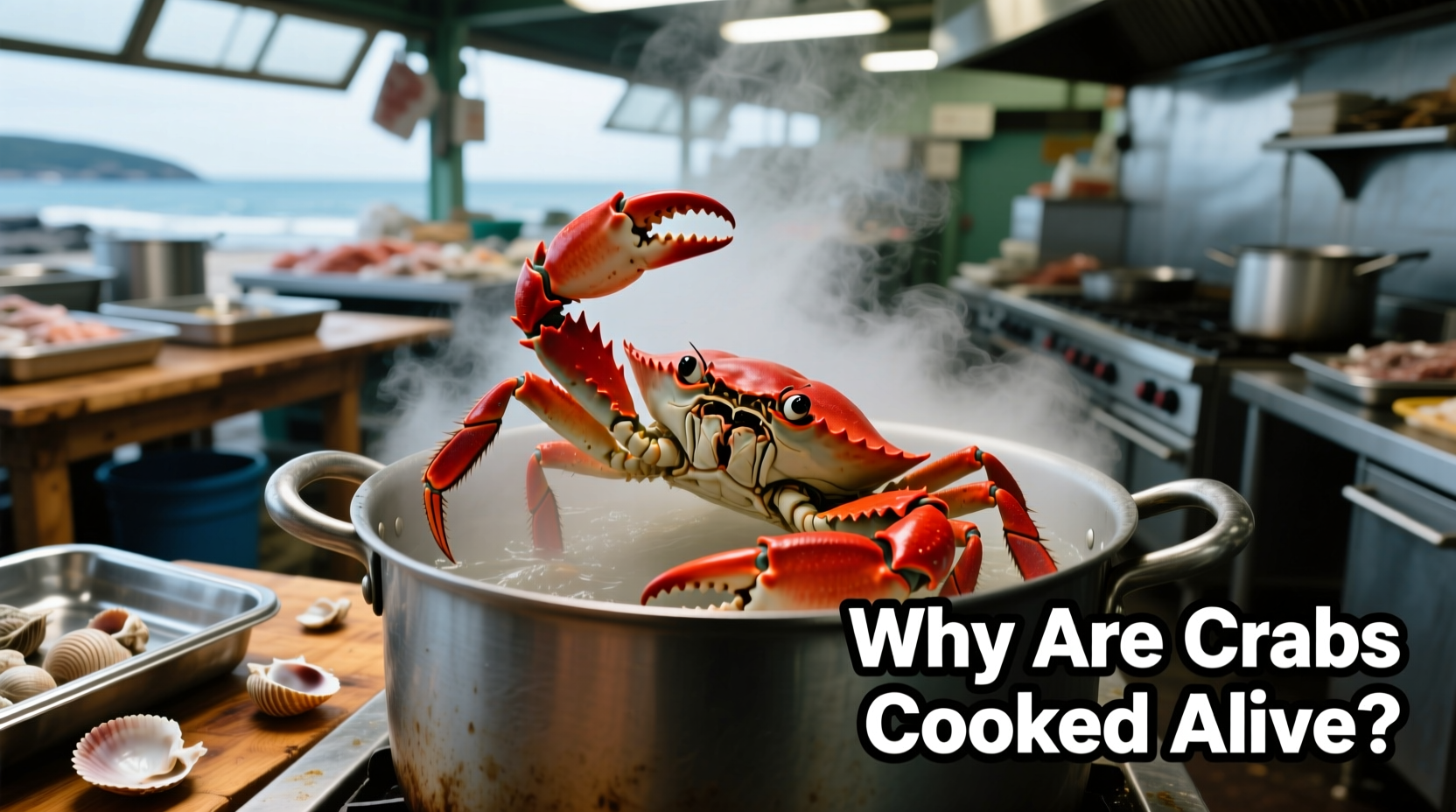
Crustaceans like crabs begin to decompose rapidly after death. Unlike mammals or fish, which can be safely stored for hours or days under proper refrigeration, crabs produce high levels of bacteria—particularly Vibrio species—that multiply quickly once the animal dies. These bacteria can cause severe foodborne illness, including gastroenteritis and even septicemia in vulnerable individuals.
Cooking crabs while they are still alive ensures that the meat has not begun to spoil. The heat from boiling or steaming kills harmful pathogens instantly, minimizing the risk of contamination. This is especially critical because crabs are often consumed with minimal processing—sometimes only cracked open and dipped, without further cooking after initial preparation.
Flavor and Texture Preservation
One of the primary culinary justifications for cooking crabs alive is the superior quality of the final dish. When crabs die, enzymes within their bodies activate and begin breaking down muscle tissue. This autolysis process softens the meat, leading to a mushy texture and off-flavors by the time it's cooked.
In contrast, crabs cooked immediately upon harvest retain firm, sweet, and succulent meat. Chefs and seafood connoisseurs consistently report a noticeable difference in taste and mouthfeel between freshly boiled live crabs and those cooked post-mortem—even if chilled.
“Freshness in shellfish isn’t just about timing—it’s about physiological state. A live crab delivers peak flavor; anything less compromises the experience.” — Chef Rafael Mendez, Seafood Sustainability Advocate
Common Methods of Live Crab Cooking
Different regions employ various techniques, but all share the principle of immediate cooking:
- Boiling: Crabs are dropped directly into vigorously boiling water, often seasoned with salt, vinegar, or spices. This method is fast and effective for killing bacteria and setting the meat.
- Steaming: Preferred in places like Maryland, steaming preserves more delicate flavors and prevents over-salting. It also allows seasonings like Old Bay to penetrate without submerging the crab.
- Stir-frying or sautéing (live): In some Asian kitchens, live crabs are split and seared immediately to lock in juices. This requires precision and speed but yields intense umami richness.
Step-by-Step: How Live Crabs Are Typically Prepared
- Inspect live crabs for activity—only fully responsive animals should be used.
- Rinse thoroughly under cold water to remove mud and debris.
- Bring a large pot of salted water to a rolling boil (add aromatics if desired).
- Place crabs headfirst into the boiling liquid to ensure rapid loss of consciousness.
- Cook for 12–20 minutes depending on size (larger Dungeness or king crabs take longer).
- Remove with tongs and cool slightly before serving.
Ethical Considerations and Animal Sentience
The question of whether crabs feel pain has gained increasing scientific attention. Recent studies suggest that crustaceans possess nociceptors—nerve endings that detect harmful stimuli—and exhibit avoidance behaviors consistent with pain perception. In one notable experiment, hermit crabs were observed leaving preferred shells when subjected to mild electric shocks, indicating aversive learning.
Despite this evidence, legal protections for crustaceans remain limited in most countries. However, some nations are beginning to respond. In 2021, Norway updated its animal welfare laws to include crustaceans, requiring humane handling and mandating stunning before slaughter where feasible.
Alternatives such as mechanical destruction (cracking the shell prior to boiling) or electrical stunning devices are being explored, though they are not yet widely adopted due to cost, complexity, or lack of infrastructure.
Comparison: Live vs. Pre-Cooked or Frozen Crabs
| Factor | Live-Cooked Crabs | Pre-Cooked/Frozen Crabs |
|---|---|---|
| Flavor | Bright, sweet, fresh ocean taste | Milder, sometimes metallic or freezer-burnt notes |
| Texture | Firm, juicy, tender | Can be stringy or dry after thawing |
| Safety | Low risk if cooked properly | Risk increases if improperly frozen or thawed |
| Convenience | Requires live handling and immediate cooking | Ready to reheat or serve cold |
| Ethical Impact | Higher concern due to live boiling | Lower perceived distress, but origin unknown |
A Real-World Example: The Chesapeake Bay Tradition
In Annapolis, Maryland, a family-run crab house has served steamed blue crabs for three generations. They source daily catches from local watermen and cook every crab live. Owner Lisa Tran explains: “We tried pre-cooked options during a supply shortage. Customers noticed immediately—the meat was softer, less flavorful. Some even sent plates back.”
While aware of ethical concerns, Lisa emphasizes responsibility: “We don’t leave them out. We keep them cold beforehand to slow metabolism, then drop them quickly into boiling water. It’s the fastest way. We’re not cruel—we respect the animal and the craft.”
This case reflects a broader tension: balancing tradition and quality with evolving ethical standards. For now, live cooking remains central to authenticity in regional specialties.
Best Practices Checklist for Home Cooks
If preparing live crabs at home, follow these guidelines to ensure safety, quality, and humane treatment:
- ✅ Purchase crabs that are active and responsive—avoid sluggish or odor-emitting ones.
- ✅ Keep crabs cold (but not frozen) until cooking to reduce stress and movement.
- ✅ Use a deep pot with enough water to fully submerge the crabs.
- ✅ Bring water to a full boil before adding crabs headfirst.
- ✅ Minimize suffering by avoiding prolonged exposure to heat—do not steam slowly from cold.
- ✅ Cook immediately after purchase—never store live crabs for more than 24 hours.
- ✅ Dispose of shells responsibly and recycle whenever possible.
Frequently Asked Questions
Is it illegal to cook crabs alive?
No, in most countries—including the U.S., U.K., and much of Asia—it is legal to cook crabs alive. However, Switzerland banned the practice in 2018, requiring crabs to be stunned before boiling. Other nations may follow as research on crustacean sentience advances.
Can I humanely kill a crab before cooking?
Yes. One recommended method is spiking—the quick insertion of a sharp knife into the brain (located centrally beneath the shell). Another option is rapid freezing followed by immediate boiling, though this may affect texture. Mechanical splitting just before cooking also minimizes conscious suffering.
Do frozen crabs come from live animals?
Typically, yes. Most commercially frozen crabs are cooked immediately after harvest, then flash-frozen. This preserves quality better than freezing raw, dead crabs. Always check packaging labels for \"cooked and frozen\" versus \"raw frozen.\"
Final Thoughts: Balancing Tradition, Taste, and Ethics
Cooking crabs alive is rooted in centuries of culinary wisdom, driven by necessity as much as preference. The practice ensures food safety, maximizes flavor, and honors regional traditions. Yet, as our understanding of animal consciousness grows, so too does the responsibility to reconsider how we treat sentient beings—even those without backbones.
Progress lies not in abandoning tradition, but in refining it. Innovations in humane slaughter, better labeling, and consumer awareness can preserve the joy of eating fresh crab while reducing unnecessary suffering.




 浙公网安备
33010002000092号
浙公网安备
33010002000092号 浙B2-20120091-4
Comments
No comments yet. Why don't you start the discussion?