
Cranberries are a staple in holiday meals, juices, and health-focused diets—but their sharp, sour bite often catches people off guard. Unlike sweeter berries such as blueberries or strawberries, raw cranberries can be intensely tart and even unpleasant to eat straight from the bag. This bitterness isn’t a flaw; it’s a natural trait rooted in the fruit’s biology. Understanding why cranberries taste this way—and how to manage that flavor—can transform them from an acquired taste into a culinary favorite.
The Science Behind Cranberry Bitterness
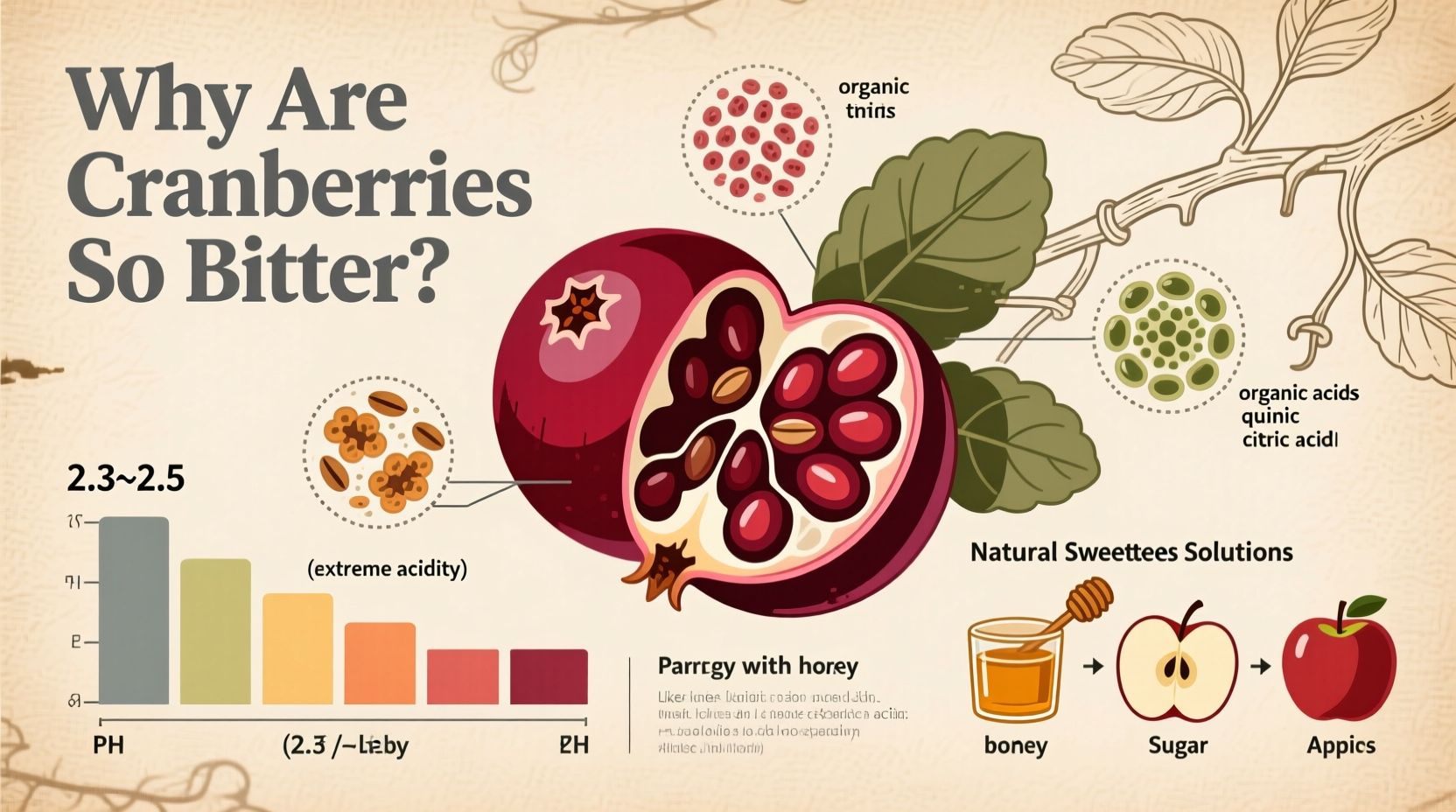
Cranberries owe their signature tartness to high levels of organic acids, primarily citric and quinic acid. These compounds create a sharp, mouth-puckering sensation that many perceive as bitterness, especially when consumed without added sweetness. Additionally, cranberries contain tannins—polyphenolic compounds also found in red wine, tea, and dark chocolate—that contribute to a dry, astringent mouthfeel. Tannins bind with proteins in saliva, creating a rough texture that amplifies perceived bitterness.
This chemical profile evolved as a defense mechanism. In the wild, cranberries grow in acidic bogs where few pests thrive. The intense acidity and tannin content deter insects and animals from eating the fruit before seeds mature, ensuring better propagation.
“Cranberries’ bitterness is a survival strategy. Their acidity and tannins protect the plant while offering powerful antioxidant benefits to humans.” — Dr. Lila Gardner, Phytochemical Researcher at the Institute of Food Bioactives
Natural Compounds That Influence Taste
Beyond acids and tannins, cranberries contain proanthocyanidins (PACs), a class of flavonoids responsible for many of their celebrated health benefits, including urinary tract support. However, PACs also intensify bitterness, particularly in raw or unprocessed forms. The concentration of these compounds varies depending on growing conditions, harvest time, and variety. For example, early-harvested cranberries tend to be more acidic than those picked later in the season.
Interestingly, cooking cranberries doesn’t eliminate these compounds but alters their perception. Heat breaks down cell walls, releasing sugars trapped within the fruit and slightly balancing the sourness. It also modifies tannin structure, reducing astringency over prolonged simmering.
How to Reduce or Balance Cranberry Bitterness
While you can't change the chemistry of cranberries, you can easily modify their flavor profile using smart preparation techniques. The key is balancing acidity and masking astringency without overwhelming the fruit’s natural character.
1. Add Natural Sweeteners
Sugar is the most common solution. When making cranberry sauce, jams, or baked goods, sugar neutralizes acidity by counteracting sour notes. Honey, maple syrup, or agave offer nuanced sweetness and pair well with cranberry’s earthy undertones.
2. Combine with Complementary Flavors
Fruits like oranges, apples, or pears add natural fructose and aromatic oils that soften bitterness. Orange zest, in particular, contains limonene, which enhances perceived sweetness and adds brightness.
3. Use Heat Strategically
Cooking cranberries until they burst (around 10–15 minutes) releases pectin and distributes flavor evenly. Extended simmering—up to 20 minutes—mellows tannins further. For a smoother texture, strain cooked cranberries through a fine sieve to remove fibrous bits that carry concentrated tannins.
4. Ferment or Dry
Drying cranberries concentrates both sugar and acid, but commercial dried versions usually include added sugar or juice sweeteners to offset bitterness. Homemade dried cranberries can be lightly sweetened with honey before dehydrating. Fermentation, as in homemade cranberry kraut or shrubs, introduces lactic acid and probiotics that balance sourness with umami depth.
5. Blend Into Liquids
In smoothies or juices, cranberry bitterness blends seamlessly with bananas, mangoes, or pineapple. Adding a splash of coconut water or almond milk dilutes acidity while contributing creaminess.
Step-by-Step Guide: Transform Bitter Cranberries into Balanced Treats
- Select fresh, firm cranberries: Look for plump, bright red berries. Avoid soft, dull, or moldy ones.
- Rinse and sort: Discard any stems or damaged berries. Rinse under cold water.
- Combine with liquid and sweetener: For every 1 cup of cranberries, use ½ cup liquid (water, orange juice, or tea) and ¼ to ⅓ cup sweetener (adjust to taste).
- Add flavor enhancers: Include orange zest, cinnamon, vanilla, or a pinch of salt.
- Cook gently: Simmer over medium heat until berries pop and sauce thickens (10–15 minutes).
- Cool and taste: Flavors mellow as they settle. Adjust sweetness if needed after cooling.
- Store or serve: Refrigerate for up to two weeks or freeze for long-term use.
Do’s and Don’ts of Handling Bitter Cranberries
| Do’s | Don’ts |
|---|---|
| Pair with citrus or sweet fruits to balance flavor | Add all sugar at the beginning—taste after cooking first |
| Use a pinch of salt to enhance overall flavor harmony | Boil aggressively—gentle simmer preserves texture |
| Roast with honey and herbs for savory side dishes | Eat large quantities raw if sensitive to tannins |
| Freeze extras for future use—no prep needed | Ignore signs of overcooking (bitter, burnt notes) |
Real Example: From Kitchen Fail to Holiday Hit
Sarah, a home cook from Vermont, once served a cranberry relish made entirely from raw grated cranberries, onion, and minimal sugar at her family’s Thanksgiving dinner. Guests found it overwhelmingly sour and barely touched it. The following year, she revised the recipe: she simmered the cranberries with orange juice and maple syrup, added toasted walnuts, and let it cool overnight. The result was a vibrant, balanced condiment that became a requested tradition. “I learned that bitterness isn’t a dead end,” she says. “It’s just the starting point for something better.”
FAQ
Why do some cranberry products taste sweet if the fruit is so bitter?
Commercial cranberry juices, sauces, and dried fruits almost always contain added sugars or are blended with sweeter juices like apple or grape. A typical cranberry juice cocktail is only about 27% cranberry juice—the rest is sweetener and water. Always check labels to understand what you're consuming.
Can I eat raw cranberries safely?
Yes, raw cranberries are safe to eat in moderation. However, their high acidity may cause stomach discomfort or enamel erosion if consumed excessively. Chewing them whole releases the most tannins, so consider chopping or blending them into dishes instead.
Are bitter cranberries more nutritious?
Not necessarily. While compounds like PACs contribute to both bitterness and health benefits, excessive bitterness doesn’t indicate higher nutrient content. Overly tart berries might simply be underripe. Optimal ripeness offers the best balance of flavor and phytonutrient density.
Conclusion: Embrace the Bite, Then Refine It
Cranberries were never meant to be universally palatable—they evolved to be sharp and assertive. But that very intensity makes them a dynamic ingredient in skilled hands. By understanding the roots of their bitterness and applying thoughtful preparation techniques, you can harness their bold flavor rather than fight it. Whether you’re crafting a holiday centerpiece, boosting your immune system, or experimenting with new recipes, don’t dismiss cranberries for their initial bite. Respect their nature, adjust their presentation, and you’ll unlock a fruit that’s as versatile as it is distinctive.




 浙公网安备
33010002000092号
浙公网安备
33010002000092号 浙B2-20120091-4
Comments
No comments yet. Why don't you start the discussion?