
Crocodiles have long fascinated and intimidated humans. With their armored bodies, powerful jaws, and stealthy movements, they dominate freshwater ecosystems across Africa, Asia, Australia, and the Americas. But one trait stands out more than any other: their aggression. Whether launching explosive attacks on prey or defending territory with lethal force, crocodiles often appear unprovoked in their violence. So why are crocodiles so aggressive? The answer lies not in malice, but in millions of years of evolutionary adaptation, survival necessity, and complex behavioral patterns shaped by environment and biology.
The Evolutionary Roots of Aggression
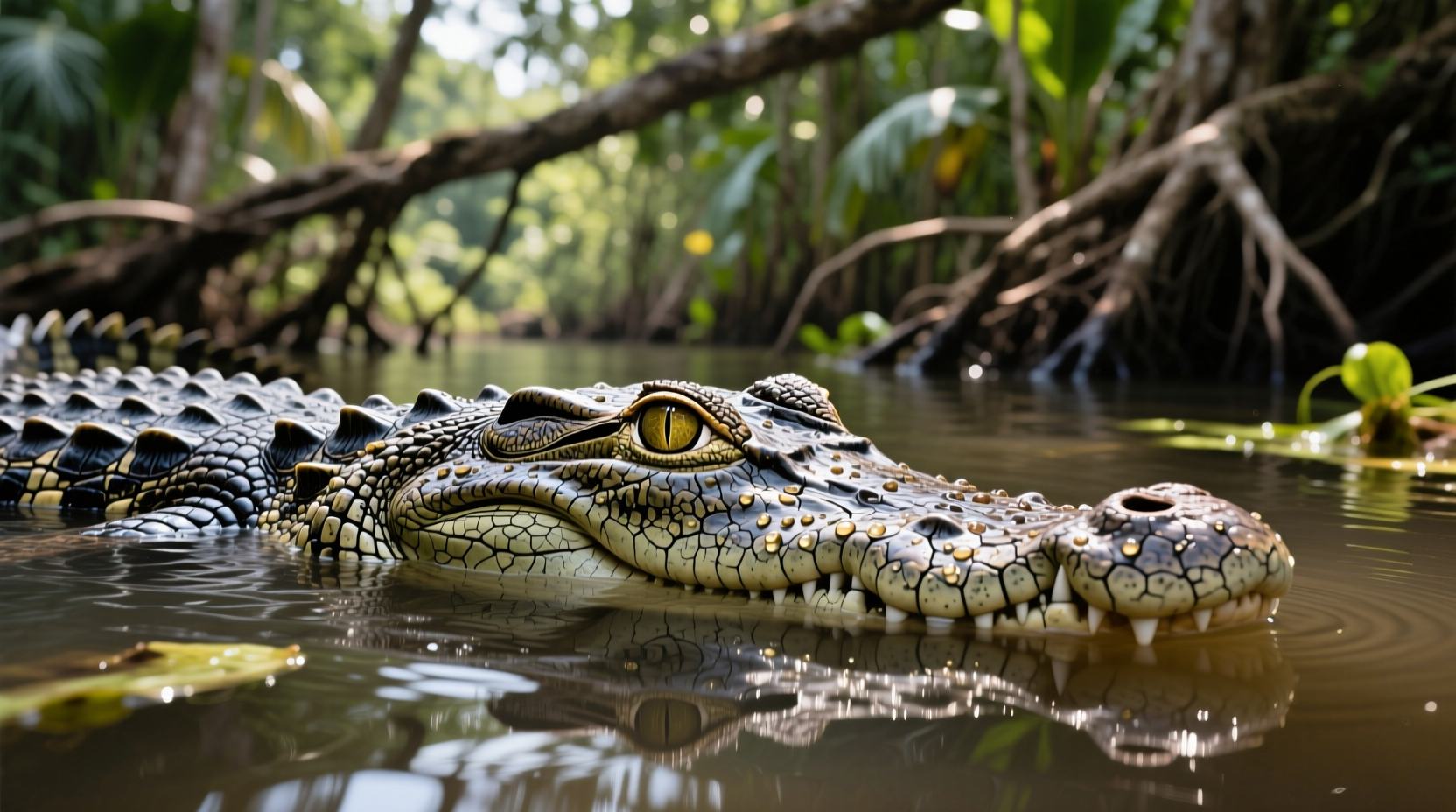
Crocodiles belong to an ancient lineage that dates back over 200 million years. As apex predators, they evolved under intense selective pressure—only the most effective hunters survived. Aggression in crocodiles is not a personality flaw; it’s a survival mechanism finely tuned by evolution. Unlike mammals, which may exhibit aggression due to emotional states, crocodilian aggression is primarily instinctual and driven by immediate environmental cues.
Modern crocodiles (order Crocodylia) share traits with their prehistoric ancestors: ambush hunting, high stamina, and rapid bursts of speed. Their brains are structured to prioritize threat detection and response. The limbic system, responsible for basic survival behaviors like feeding and reproduction, dominates their neuroanatomy. This means crocodiles react quickly and decisively to stimuli—often perceived as aggression—because hesitation could mean starvation or death.
“Crocodiles aren’t ‘angry’ animals—they’re precision survival machines. What we interpret as aggression is actually highly efficient predatory and defensive behavior.” — Dr. Mark Stevenson, Herpetologist, University of Queensland
Territoriality and Dominance Hierarchies
One of the most significant drivers of crocodile aggression is territorial behavior. Male crocodiles, especially dominant adults, establish and defend large stretches of riverbank or wetland. These territories provide access to basking sites, nesting areas, and prime hunting grounds. Intrusions by rivals trigger immediate and often violent responses.
Aggressive displays include head-slapping the water, hissing, jaw-gaping, and full-body lunges. In serious confrontations, physical combat ensues—biting, rolling, and tail-whipping—sometimes resulting in severe injury or death. Females also show territorial tendencies, particularly during nesting season when protecting eggs and hatchlings becomes paramount.
Social Structure and Communication
Contrary to popular belief, crocodiles are not solitary loners. They maintain complex social hierarchies communicated through vocalizations, body postures, and chemical signals. Juveniles emit distress calls that prompt protective responses from mothers. Adults use low-frequency bellows to assert dominance or attract mates.
Despite this communication, physical space is limited, and competition is fierce. Smaller crocodiles avoid dominant individuals to reduce conflict, often occupying marginal habitats. This avoidance strategy reduces overt aggression but doesn’t eliminate it—subordinate crocs may still be attacked if they misjudge boundaries.
Hunting Instincts and Prey Response
Crocodiles are ambush predators. Their entire physiology—from camouflaged skin to pressure-sensitive pores on their jaws—is designed for surprise attacks. Aggression during hunting isn’t random; it’s a calculated burst of energy triggered by movement, vibration, or shadow in the water.
A crocodile can remain motionless for hours, then explode into action in under half a second. This sudden aggression serves a critical purpose: conserving energy while maximizing kill efficiency. Once prey is detected, hesitation means failure. Thus, the “aggressive” lunge is less about temperament and more about biological imperative.
| Hunting Trigger | Response | Purpose |
|---|---|---|
| Water ripple or splash | Instant lunge | Capture fast-moving prey |
| Shadow overhead | Surface strike | Catch birds or low-flying animals |
| Vibration near bank | Ambush from submerged position | Attack drinking animals or humans |
This predatory aggression extends to scavenging. Crocodiles will aggressively displace other predators from carcasses, including lions or hyenas near water’s edge. Their ability to dominate such interactions reinforces their status as apex predators.
Reproduction and Parental Defense
During breeding season, aggression spikes dramatically. Males become hyper-vigilant, engaging in loud vocal duels and physical battles to win mating rights. Females, though smaller, become fiercely protective once eggs are laid. A female crocodile may guard her nest for up to 80 days, attacking anything that approaches—including humans, monitor lizards, or even other crocodiles.
After hatching, mothers assist babies from the nest and carry them to water in their mouths. For several weeks, she continues to protect the young, responding aggressively to threats. This maternal aggression is rare among reptiles and underscores the sophistication of crocodilian behavior.
“I’ve seen a 4-meter saltwater crocodile chase a wild boar 50 meters from her hatchlings. That level of parental investment defies the ‘primitive reptile’ stereotype.” — Dr. Elena Torres, Wildlife Biologist, Crocodile Conservation Project
Environmental Stressors and Human Conflict
Human encroachment intensifies crocodile aggression—not because crocodiles become angrier, but because their natural behaviors clash with human activity. Draining wetlands, pollution, and habitat fragmentation increase competition for resources, making crocodiles more likely to defend shrinking territories.
Additionally, feeding crocodiles (intentionally or accidentally through waste disposal near water) conditions them to associate humans with food. This leads to boldness and increased attack risk. In regions like Northern Australia or Southeast Asia, “problem crocodiles” are often relocated or euthanized after repeated aggressive encounters—many of which stem from human actions.
Mini Case Study: The Kakadu Incident
In 2018, a park ranger in Kakadu National Park was attacked by a 3.8-meter saltwater crocodile while inspecting a riverside trail. Initial reports suggested unprovoked aggression. However, follow-up investigations revealed that tourists had been tossing fish scraps near the site for weeks, conditioning the animal to expect food. The crocodile, mistaking the ranger’s boots for food, launched a quick strike. While the ranger survived, the crocodile was deemed a public threat and removed.
This case highlights how human behavior can inadvertently escalate crocodile aggression. The animal wasn’t inherently more violent—it responded predictably to learned stimuli.
Frequently Asked Questions
Do crocodiles attack humans for no reason?
No. Most attacks occur due to mistaken identity (e.g., a swimmer resembling prey), defense of territory or young, or conditioned behavior from prior feeding. True unprovoked attacks are extremely rare.
Are some crocodile species more aggressive than others?
Yes. The Nile crocodile and saltwater crocodile are considered the most aggressive and dangerous to humans. The American alligator, while still dangerous, tends to be more tolerant of human presence and less prone to unprovoked attacks.
Can crocodiles be tamed or domesticated?
No. Despite some private collections or tourist attractions claiming otherwise, crocodiles retain their wild instincts. Even hand-raised individuals can turn violently without warning, especially during hormonal shifts like breeding season.
Actionable Checklist: Staying Safe Around Crocodiles
- Never swim in waters known to harbor crocodiles, especially at dawn or dusk.
- Avoid fishing or cleaning fish near the water’s edge—blood and scent attract crocs.
- Keep children and pets away from riverbanks and mangrove edges.
- Do not feed or provoke crocodiles, even from a distance.
- Respect warning signs and local advisories in crocodile-prone areas.
- If you encounter a crocodile, back away slowly—do not run parallel to the water.
Conclusion: Respecting Nature’s Design
Understanding why crocodiles are aggressive transforms fear into respect. Their behavior is not born of cruelty, but of adaptation honed over eons. Aggression ensures their survival, protects their offspring, and maintains ecological balance. Rather than vilifying these creatures, we should recognize their role in nature and take responsibility for minimizing conflict.
By respecting their space, avoiding risky behaviors, and supporting conservation efforts, humans can coexist with crocodiles safely. These ancient predators deserve not fear, but informed caution and appreciation for their place in the natural world.




 浙公网安备
33010002000092号
浙公网安备
33010002000092号 浙B2-20120091-4
Comments
No comments yet. Why don't you start the discussion?