
Electrolytes are essential minerals that carry an electric charge when dissolved in water. They play a fundamental role in maintaining the body’s internal environment, supporting nerve signaling, muscle contractions, fluid balance, and overall cellular function. Despite being required in relatively small amounts, even minor imbalances can lead to fatigue, cramps, confusion, or more serious complications. Understanding why electrolytes are important—and how to maintain proper levels—can significantly improve daily energy, athletic performance, and long-term well-being.
The Role of Electrolytes in the Body
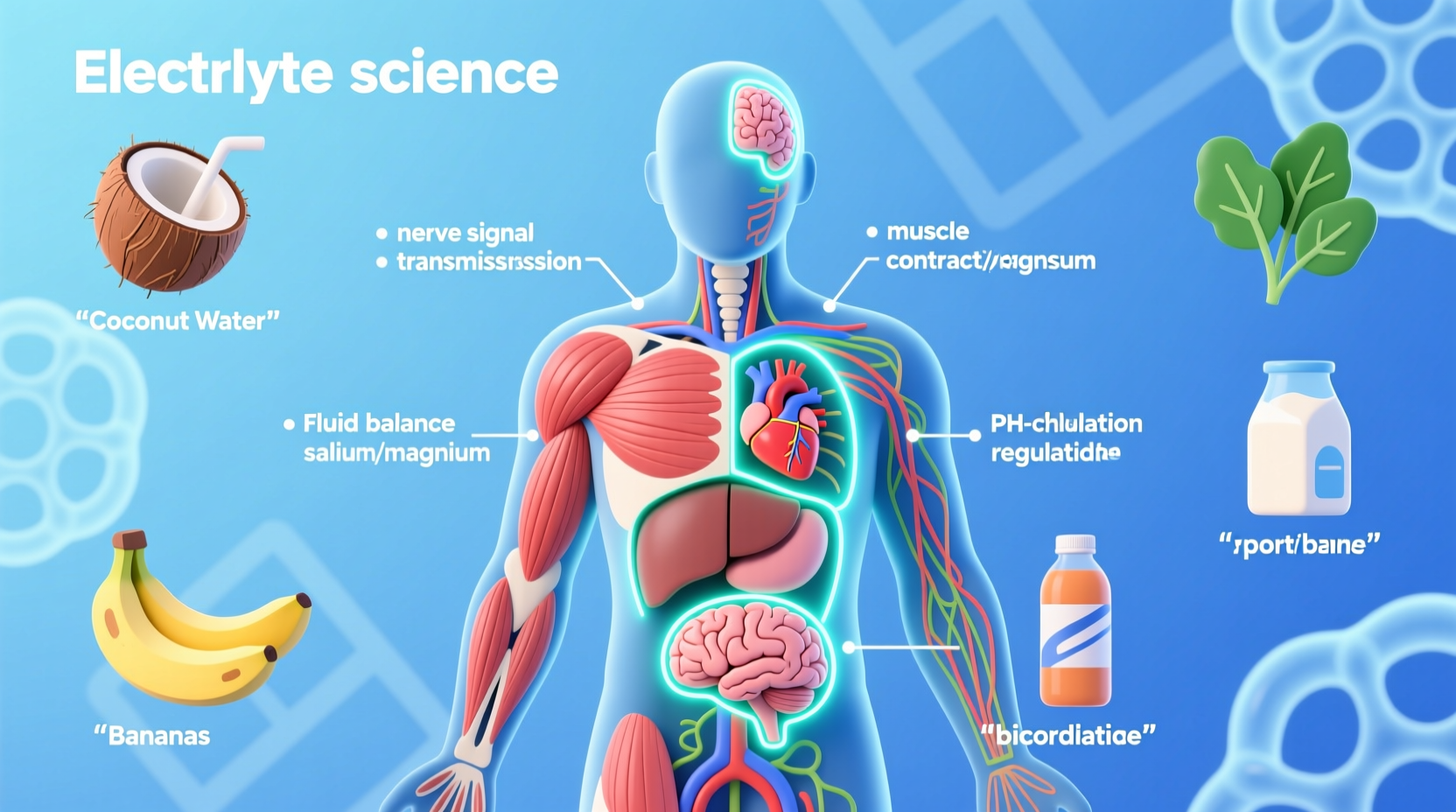
Electrolytes regulate many critical physiological processes. The primary electrolytes in the human body include sodium, potassium, calcium, magnesium, chloride, phosphate, and bicarbonate. Each has distinct but interconnected roles:
- Sodium: Regulates fluid balance and blood pressure; crucial for nerve impulse transmission.
- Potassium: Supports heart rhythm, muscle function, and counteracts sodium’s effects on blood pressure.
- Calcium: Essential for bone health, muscle contractions, and blood clotting.
- Magnesium: Involved in over 300 enzymatic reactions, including energy production and protein synthesis.
- Chloride: Works with sodium to maintain fluid balance and supports digestion via hydrochloric acid in the stomach.
- Phosphate and Bicarbonate: Help regulate pH balance and support energy storage (ATP).
These minerals move across cell membranes through ion channels, enabling electrical activity necessary for heartbeat regulation, brain function, and voluntary movement. When electrolyte concentrations fall too low or rise too high, normal signaling is disrupted—leading to symptoms like weakness, dizziness, or arrhythmias.
Key Benefits of Maintaining Electrolyte Balance
Balanced electrolyte levels contribute to multiple aspects of physical and mental health. Here are the most significant benefits:
- Optimal Hydration: Sodium and potassium help cells absorb and retain water efficiently. Drinking plain water without electrolytes during prolonged activity can dilute blood sodium levels, increasing the risk of hyponatremia.
- Improved Exercise Performance: Athletes who maintain electrolyte balance experience fewer muscle cramps, better endurance, and faster recovery times.
- Stable Nervous System Function: Consistent nerve signal transmission prevents tingling, numbness, and cognitive fog.
- Heart Health: Potassium and magnesium support regular cardiac rhythms and may reduce hypertension risks.
- Bone Strength: Calcium and phosphate are structural components of bones and teeth.
- Acid-Base Balance: Bicarbonate and phosphate buffer acids in the blood, preventing dangerous pH shifts.
“Electrolyte balance isn’t just about sports drinks—it's central to every heartbeat, breath, and thought.” — Dr. Lena Torres, Clinical Biochemist
Natural and Dietary Sources of Electrolytes
While commercial products like sports drinks and supplements exist, whole foods remain the most effective and balanced way to obtain electrolytes. Relying solely on processed options may introduce excess sugar or artificial ingredients.
| Electrolyte | Foods Rich in This Electrolyte | Daily Recommended Intake (Adults) |
|---|---|---|
| Sodium | Sea salt, celery, beets, miso soup, pickled vegetables | 1,500–2,300 mg |
| Potassium | Bananas, sweet potatoes, spinach, avocados, white beans | 3,400 mg (men), 2,600 mg (women) |
| Calcium | Dairy products, kale, bok choy, fortified plant milks, sardines | 1,000–1,200 mg |
| Magnesium | Pumpkin seeds, almonds, dark chocolate, black beans, quinoa | 310–420 mg |
| Chloride | Table salt, seaweed, rye, tomatoes, lettuce | 2,300 mg |
A varied diet rich in fruits, vegetables, nuts, legumes, and moderate dairy typically provides sufficient electrolytes. For example, one medium banana delivers about 422 mg of potassium, while a cup of cooked spinach contains 245 mg of magnesium—nearly 60% of the daily requirement.
When You Need Extra Electrolytes: Real-Life Scenarios
Not everyone needs supplemental electrolytes daily, but certain conditions increase demand. Consider the following realistic case:
Mini Case Study: Marathon Training in Summer Heat
Jamal, a 32-year-old runner training for his first marathon, began experiencing leg cramps and lightheadedness after long weekend runs. He drank plenty of water but felt increasingly fatigued. A sports nutritionist reviewed his routine and noted he was consuming only water during 2-hour runs in 90°F heat, losing large amounts of sodium through sweat. She advised him to add a pinch of sea salt to his water and eat a banana with almond butter post-run. Within two weeks, his symptoms disappeared, and his recovery improved dramatically.
This illustrates a common mistake: overhydration with plain water without replacing lost electrolytes. Sweat contains approximately 400–1,200 mg of sodium per liter, depending on individual variation and climate. Prolonged sweating without replacement increases the risk of hyponatremia, a potentially life-threatening condition.
Step-by-Step Guide to Replenishing Electrolytes Naturally
Follow this practical sequence to restore and maintain electrolyte balance:
- Assess your activity level and environment: Hot climates, high-intensity workouts, or fever increase electrolyte loss.
- Hydrate with electrolyte-rich fluids: Choose coconut water, homemade oral rehydration solutions (1L water + ½ tsp salt + 4 tsp sugar + lemon juice), or broths.
- Eat a mineral-dense snack: Pair a banana (potassium) with a handful of nuts (magnesium and sodium).
- Monitor symptoms: Watch for signs of imbalance such as muscle twitching, headaches, or irregular heartbeat.
- Adjust intake accordingly: If symptoms persist beyond 24 hours despite dietary changes, consult a healthcare provider.
Common Myths and Misconceptions
Despite growing awareness, several myths persist about electrolytes:
- Myth: Only athletes need electrolytes.
Truth: Everyone loses electrolytes daily through sweat, urine, and bowel movements—even sedentary individuals require consistent intake. - Myth: All sports drinks are healthy.
Truth: Many contain high sugar levels and artificial colors. Check labels and consider alternatives for non-athletic use. - Myth: More electrolytes are always better.
Truth: Excessive sodium can raise blood pressure; too much potassium can cause arrhythmias, especially in those with kidney disease.
FAQ: Frequently Asked Questions
Can you get enough electrolytes from food alone?
Yes, for most people, a balanced diet that includes vegetables, fruits, nuts, seeds, and whole grains provides adequate electrolytes. Supplementation is usually unnecessary unless under medical supervision or engaging in extreme physical activity.
What are signs of low electrolytes?
Common symptoms include muscle cramps, fatigue, dizziness, irregular heartbeat, nausea, and confusion. Severe imbalances require immediate medical attention.
Is it safe to take electrolyte supplements every day?
Only if recommended by a healthcare provider. Overuse can disrupt natural mineral balance, particularly in individuals with kidney or heart conditions.
Final Checklist: Supporting Your Electrolyte Health
- ✅ Include potassium-rich produce (avocados, potatoes, leafy greens) in daily meals.
- ✅ Use unrefined salts like Himalayan pink salt or sea salt in moderation for trace minerals.
- ✅ Drink smart: choose water with added minerals or natural electrolyte beverages when active.
- ✅ Limit ultra-processed foods high in sodium but low in other electrolytes.
- ✅ Pay attention to your body’s signals during heat exposure or illness.
Conclusion: Take Charge of Your Body’s Electrical System
Electrolytes are not just buzzwords in sports marketing—they are vital conductors of life’s most basic functions. From the silent beat of your heart to the conscious decision to move your hand, every action relies on these charged minerals working in harmony. By understanding their importance, recognizing their sources, and respecting their balance, you empower your body to perform at its best, recover faster, and stay resilient in the face of stress, heat, or illness.




 浙公网安备
33010002000092号
浙公网安备
33010002000092号 浙B2-20120091-4
Comments
No comments yet. Why don't you start the discussion?