
In recent years, headlines about contaminated lettuce, tainted peanut butter, or salmonella-laced chocolate bars have become almost routine. Food recalls are no longer rare events—they’re frequent occurrences that affect millions of consumers annually. While this may seem alarming, the rise in reported recalls doesn’t necessarily mean our food is getting less safe. Instead, it reflects a complex interplay of improved detection, supply chain complexity, regulatory changes, and shifting consumer expectations. Understanding the reasons behind this trend empowers consumers to make informed choices and recognize when concern is warranted versus when it’s part of a more transparent system.
The Rise in Reported Recalls: A Closer Look
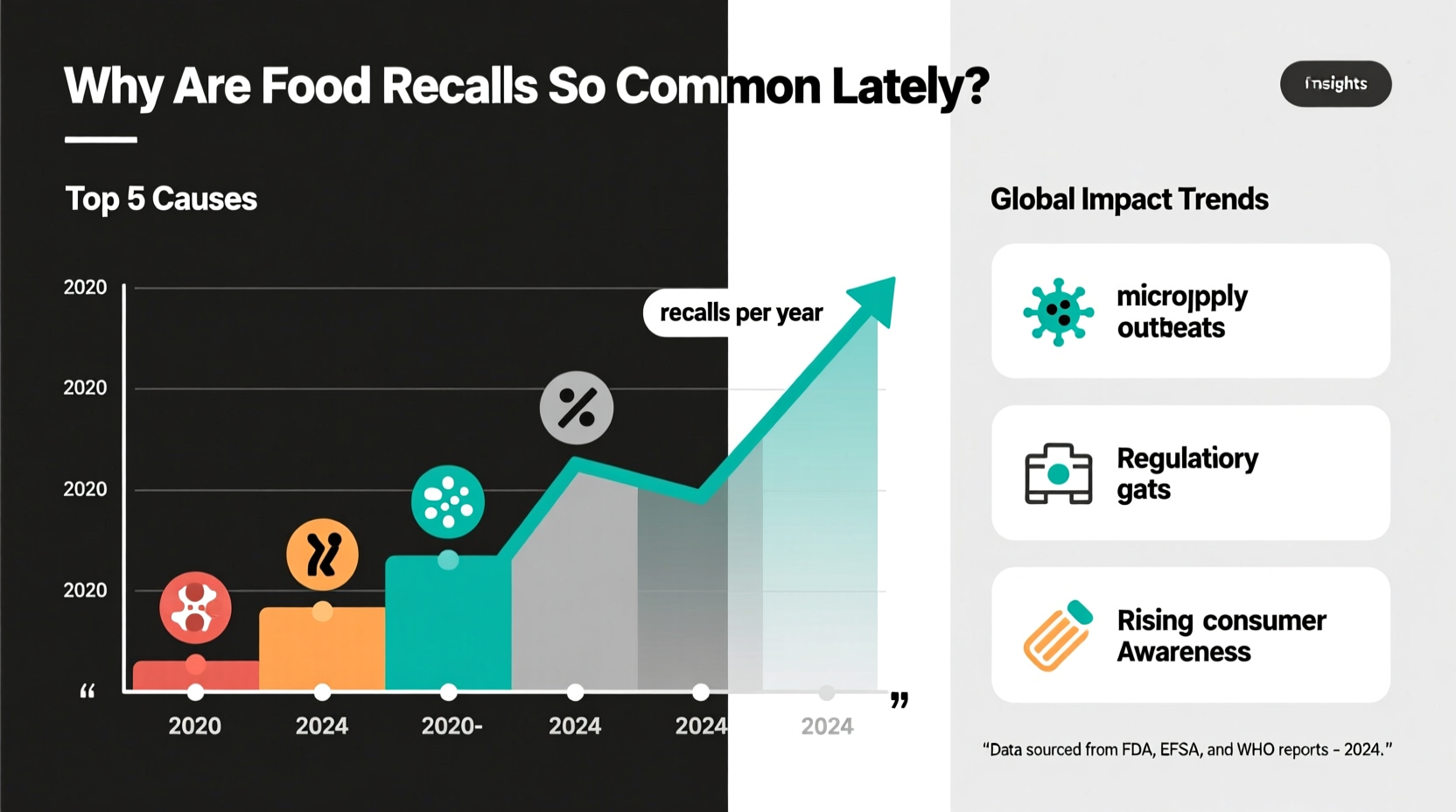
Data from the U.S. Food and Drug Administration (FDA) and the U.S. Department of Agriculture (USDA) shows a steady increase in the number of food recalls over the past two decades. In 2023 alone, there were over 450 FDA-mandated food recalls—more than double the annual average from the early 2000s. However, experts argue this uptick is not solely due to declining food safety but rather enhanced surveillance and reporting mechanisms.
Modern pathogen detection technologies like whole genome sequencing (WGS) allow public health officials to link outbreaks across states with unprecedented accuracy. Where once a cluster of E. coli cases might have gone unnoticed or unconnected, today’s tools can trace contamination back to a single processing facility within days. This precision increases the likelihood of a recall being issued—not because contamination is more common, but because we’re better at finding it.
Globalization and Supply Chain Complexity
One of the most significant drivers behind increased recalls is the globalization of the food supply. Today, ingredients travel thousands of miles before reaching your plate. A single bag of salad mix might contain lettuce from California, carrots from Mexico, and croutons made in Ohio using wheat from Canada. Each step introduces potential contamination points.
Extended supply chains mean more handling, transportation, storage, and repackaging—all stages where pathogens like Listeria, Salmonella, or chemical contaminants can enter the food stream. When contamination occurs deep within this network, identifying the source becomes difficult, often leading to broad, precautionary recalls affecting multiple brands and retailers.
Moreover, consolidation in food manufacturing has led to fewer, larger producers supplying vast portions of the market. If one facility experiences contamination, the ripple effect is enormous. For example, a 2022 recall of packaged vegetables was linked to a single processor whose products were distributed under 15 different store brands nationwide.
Regulatory and Industry Shifts
The passage of the FDA Food Safety Modernization Act (FSMA) in 2011 marked a turning point in how food safety is managed in the United States. The law shifted focus from responding to contamination to preventing it. As a result, companies are now required to implement risk-based preventive controls, monitor hazards, and maintain detailed records.
This regulatory environment encourages proactive self-reporting. Companies that detect potential issues during internal testing are more likely to initiate voluntary recalls to avoid legal liability and reputational damage. In many cases, recalls occur before any illnesses are reported—an outcome of heightened vigilance rather than failure.
“Today’s recalls are often signs of a functioning system, not a failing one.” — Dr. Margaret Wallace, Senior Food Safety Analyst at the CDC
Common Causes Behind Recent Recalls
While pathogens remain the primary cause of food recalls, the types and sources of contamination have evolved. Below is a breakdown of the most frequent triggers:
| Contaminant Type | Common Sources | Typical Foods Affected |
|---|---|---|
| Biological (e.g., Salmonella, E. coli) | Farm-level contamination, poor hygiene, cross-contact | Leafy greens, eggs, raw meats, nuts |
| Allergens (undeclared) | Equipment residue, labeling errors | Baked goods, sauces, prepared meals |
| Chemical | Pesticide residues, cleaning agents, foreign materials | Fruits, vegetables, processed foods |
| Physical contaminants | Metal shavings, plastic fragments | Canned goods, frozen meals |
Notably, undeclared allergens have become one of the fastest-growing categories of recalls. A mislabeled ingredient or shared production line can expose allergic consumers to life-threatening risks, prompting immediate action even if no illness has occurred.
Mini Case Study: The 2023 Deli Meat Recall
In June 2023, a major U.S. meat processor issued a recall of over 10 million pounds of ready-to-eat deli meats after routine testing detected Listeria monocytogenes in its facility. No confirmed illnesses had been reported at the time. The company acted swiftly, citing compliance with FSMA preventive controls and internal environmental monitoring programs.
The recall affected dozens of national grocery chains. Though disruptive, public health officials praised the response as an example of prevention in action. “This is exactly how the modern food safety system should work,” said a USDA spokesperson. “We caught it before anyone got sick.”
Still, the scale of the recall raised questions about reliance on centralized processing and the fragility of just-in-time inventory models. Retailers scrambled to restock shelves, and consumers expressed frustration over limited availability of common lunch items.
Actionable Steps for Consumers
While industry and regulators bear primary responsibility for food safety, consumers play a crucial role in minimizing risk. The following checklist outlines practical steps to protect yourself and your family:
- Check recall lists regularly: Visit the FDA or USDA websites weekly, or subscribe to email alerts.
- Inspect packaging: Look for dents, bulges, or leaks in canned or vacuum-sealed products.
- Read labels carefully: Especially if you have allergies, verify ingredients and allergen statements.
- Practice safe storage: Keep refrigerated foods below 40°F and freeze items you won’t use within a few days.
- Wash produce thoroughly: Even pre-washed greens should be rinsed again at home.
- Cook to safe temperatures: Use a food thermometer to ensure meats reach recommended internal temperatures.
FAQ
Does a higher number of recalls mean our food is less safe?
No. The increase in recalls largely reflects improved detection, faster communication, and greater transparency. Many recalls now occur before any illnesses are reported, indicating a more responsive system.
What should I do if I have a recalled product at home?
Stop using it immediately. Return it to the store for a refund or dispose of it safely. If you’ve consumed it and experience symptoms like nausea, fever, or diarrhea, contact a healthcare provider and report the incident to the FDA via MedWatch.
Are organic or natural foods less likely to be recalled?
No. Organic and natural labels relate to farming practices and ingredients, not safety. These products undergo the same supply chain risks and are subject to the same contamination threats as conventional foods.
Conclusion: Staying Informed and Proactive
The frequency of food recalls today is a symptom of a more vigilant, interconnected, and accountable food system—not a sign of systemic failure. Advances in science, regulation, and corporate responsibility have made it possible to identify and remove hazardous products faster than ever before. While the process can be inconvenient, it ultimately protects public health.
Consumers benefit most when they stay informed, practice smart kitchen habits, and engage with the recall system. Knowledge is the first line of defense. By understanding the trends behind recalls and taking simple precautions, individuals can reduce their risk and contribute to a safer food ecosystem for everyone.




 浙公网安备
33010002000092号
浙公网安备
33010002000092号 浙B2-20120091-4
Comments
No comments yet. Why don't you start the discussion?