
Gas prices have once again begun climbing, leaving drivers frustrated at the pump and reevaluating their weekly budgets. After a brief reprieve in 2023, many Americans are now paying significantly more per gallon than they did just a year ago. The reasons behind this resurgence are complex, rooted in global supply chains, geopolitical tensions, and domestic demand shifts. But while you can't control oil markets, you *can* take meaningful steps to reduce your fuel spending. This article breaks down the key factors driving price increases and delivers actionable, proven strategies to keep more money in your pocket.
Global Supply and Geopolitical Tensions
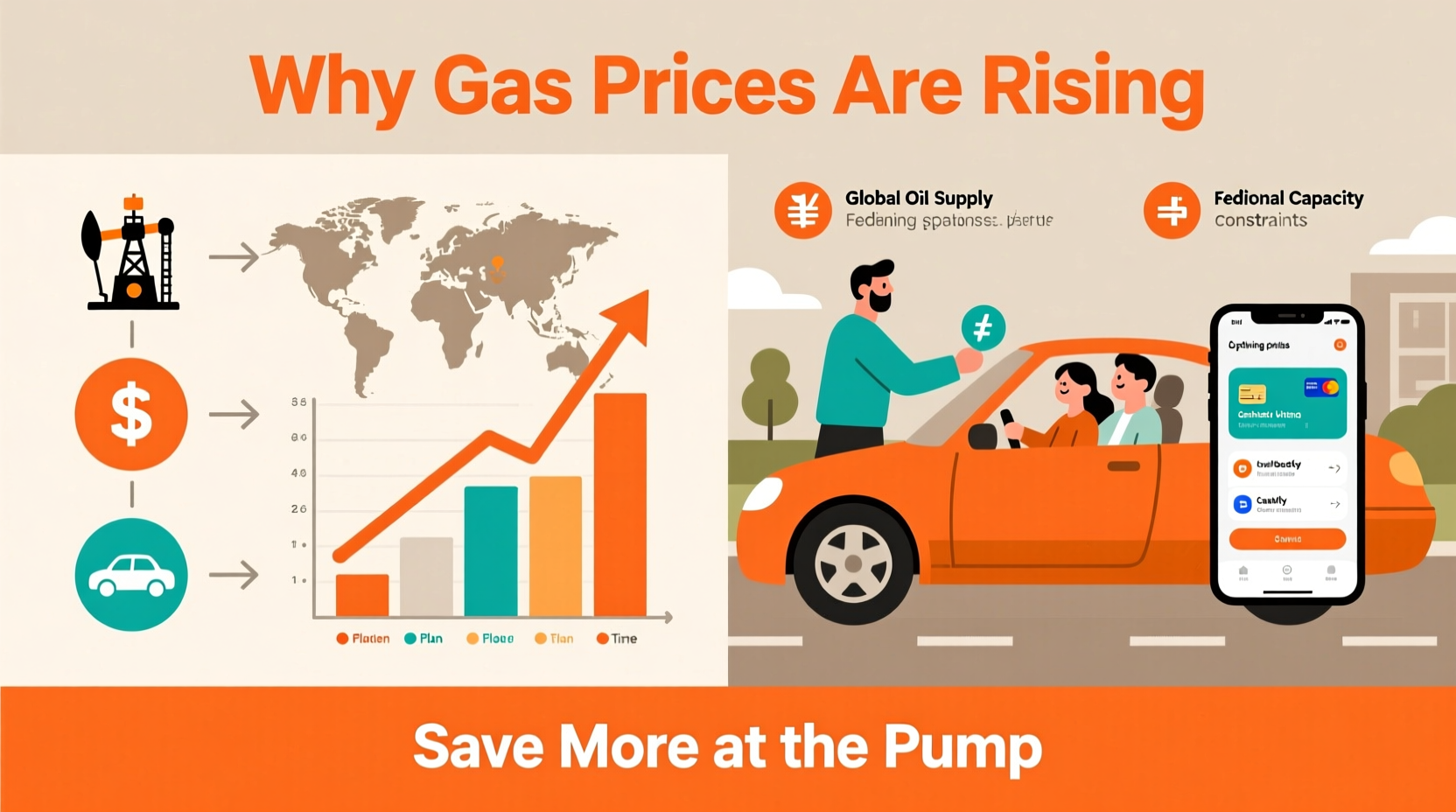
One of the primary forces behind rising gas prices is instability in global oil production. Major suppliers like OPEC+—a coalition led by Saudi Arabia and Russia—have recently agreed to extend production cuts into 2024. These deliberate reductions limit the global oil supply, increasing scarcity and pushing prices upward. In early 2024, OPEC+ maintained output levels 2.2 million barrels per day below pre-pandemic norms, tightening the market further.
Geopolitical conflicts also play a critical role. Ongoing hostilities in Eastern Europe and the Middle East disrupt shipping lanes and raise fears of supply interruptions. For example, attacks on commercial vessels in the Red Sea have forced energy tankers to reroute around Africa, increasing transportation time and costs. Such disruptions don’t need to result in actual shortages to impact prices—market speculation alone can drive spikes.
“Even perceived threats to supply can send shockwaves through oil markets. Traders react quickly, and those reactions translate directly to consumer prices.” — Dr. Lisa Nguyen, Senior Energy Analyst at the Brookings Institution
Demand and Seasonal Driving Patterns
Domestic demand is another major factor. As weather warms and travel seasons begin, more Americans hit the road for vacations and weekend getaways. The U.S. Energy Information Administration (EIA) reports that gasoline consumption typically peaks between May and September. This seasonal uptick puts pressure on refining capacity and distribution networks, often leading to higher prices by late spring.
Additionally, post-pandemic economic recovery has restored commuting patterns and business-related driving. While remote work reduced fuel demand during 2020–2022, hybrid schedules have stabilized, and vehicle miles traveled (VMT) are near record highs. According to the Federal Highway Administration, Americans drove over 3.3 trillion miles in 2023—an increase of nearly 4% from the previous year.
Refining Capacity and Infrastructure Constraints
Even when crude oil is available, turning it into gasoline isn’t always straightforward. Refineries operate at maximum efficiency most of the year, but maintenance cycles—typically scheduled in spring—reduce output temporarily. If multiple refineries undergo shutdowns simultaneously, regional supply gaps can emerge, especially on the East Coast, which relies heavily on imports and a limited number of processing plants.
Environmental regulations and aging infrastructure compound these challenges. Many older refineries have closed or downsized due to high compliance costs and declining profitability. Since 2020, the U.S. has lost over 500,000 barrels per day in refining capacity. With less buffer to absorb shocks, any disruption—whether from storms, fires, or labor issues—can trigger rapid price increases.
How Taxes and Distribution Add to the Cost
Federal and state taxes make up a significant portion of the final gas price. The federal excise tax is 18.4 cents per gallon, while state taxes vary widely—from under 15 cents in Alaska to over 60 cents in California. Local sales taxes may apply on top of that. In some urban areas, total taxes can add more than 70 cents to each gallon.
Then there’s the cost of distribution. Gasoline must be transported from refineries via pipelines, trucks, or rail to retail stations. Longer distances, rural locations, and lack of competition among local stations all contribute to higher prices. Stations in isolated towns often charge more due to lower volume and higher delivery costs.
| State | Average Gas Price (April 2024) | Combined Tax per Gallon |
|---|---|---|
| California | $5.29 | 77.3¢ |
| Texas | $3.45 | 38.4¢ |
| New York | $4.10 | 65.2¢ |
| Florida | $3.30 | 37.9¢ |
Practical Savings Tips to Reduce Fuel Costs
While global forces influence gas prices, smart consumers can still gain control over their fuel spending. Implementing even a few of the following strategies can save hundreds of dollars annually.
Optimize Your Driving Habits
- Maintain steady speeds and use cruise control on highways to improve fuel economy.
- Avoid rapid acceleration and hard braking, which can reduce efficiency by up to 33% at highway speeds.
- Combine errands into one trip to minimize cold starts, which use more fuel.
Keep Your Vehicle Efficient
- Check tire pressure monthly. Underinflated tires can lower gas mileage by 3%.
- Replace air filters regularly—clogged filters force engines to work harder.
- Use the motor oil grade recommended by your manufacturer; switching to a more efficient formulation can boost mileage by 1–2%.
Leverage Technology and Timing
- Use apps like GasBuddy or Waze to find the cheapest stations nearby.
- Fill up early in the week—prices often rise over weekends as people prepare for travel.
- Consider loyalty programs or cash-back credit cards that offer fuel rewards.
Real-World Example: How One Family Cut Fuel Costs by 25%
The Thompson family from Indianapolis used to spend about $320 per month on gas for their two vehicles. After noticing prices climb past $4.00/gallon in early 2024, they implemented several changes. They began carpooling for school drop-offs with neighbors, switched to a single grocery run per week, and started using a fuel-tracking app to compare prices. They also had their SUV’s alignment checked after noticing uneven tire wear, which improved fuel efficiency by nearly 10%. Within three months, their monthly fuel bill dropped to $240—a savings of $960 per year.
Step-by-Step Guide to Building a Fuel-Smart Routine
- Track current spending: Record every fill-up for one month to establish a baseline.
- Inspect your vehicle: Check tire pressure, oil level, and air filter condition.
- Plan smarter routes: Use GPS tools to avoid traffic and combine errands.
- Compare fuel prices: Install a gas price app and set alerts for low prices in your area.
- Adjust driving style: Focus on smooth acceleration and coasting to stops.
- Review progress monthly: Adjust habits based on what’s working.
Frequently Asked Questions
Why do gas prices rise before holidays?
Anticipated increases in travel lead to higher demand. Retailers and wholesalers adjust prices in advance, knowing drivers will be less price-sensitive during peak travel times.
Does using premium gas improve mileage in regular cars?
No. Unless your vehicle requires premium fuel (check the owner’s manual), using it offers no benefit in performance or efficiency and only increases costs.
Can electric vehicles help offset gas price hikes?
Yes. Even accounting for electricity costs, EVs generally provide lower per-mile expenses. Over time, savings on fuel and maintenance can offset higher upfront purchase prices, especially with rising gas rates.
Final Thoughts: Take Control Where You Can
Gas prices are influenced by powerful global forces beyond individual control, but that doesn’t mean you’re powerless. By understanding the factors behind price increases—and adopting disciplined, informed habits—you can significantly reduce your exposure. Whether it's adjusting when and where you refuel, maintaining your vehicle properly, or simply driving more efficiently, small changes add up. In an era of economic uncertainty, mastering your fuel budget is one of the most direct ways to protect your household finances.




 浙公网安备
33010002000092号
浙公网安备
33010002000092号 浙B2-20120091-4
Comments
No comments yet. Why don't you start the discussion?