
Gas prices have once again begun to climb, surprising some consumers who expected relief after recent dips. At the pump, a gallon of regular unleaded that cost $3.20 last month may now be pushing $3.70 or more in many regions. This isn't random—it's the result of interconnected forces in global energy markets. While headlines often point to geopolitical unrest or inflation, the full picture involves production decisions, seasonal demand shifts, refining capacity, and long-term policy changes. Understanding these factors doesn’t require an economics degree. This breakdown simplifies the complex dynamics behind rising fuel costs, offering clarity for everyday drivers and decision-makers alike.
Supply Constraints: The Global Oil Puzzle
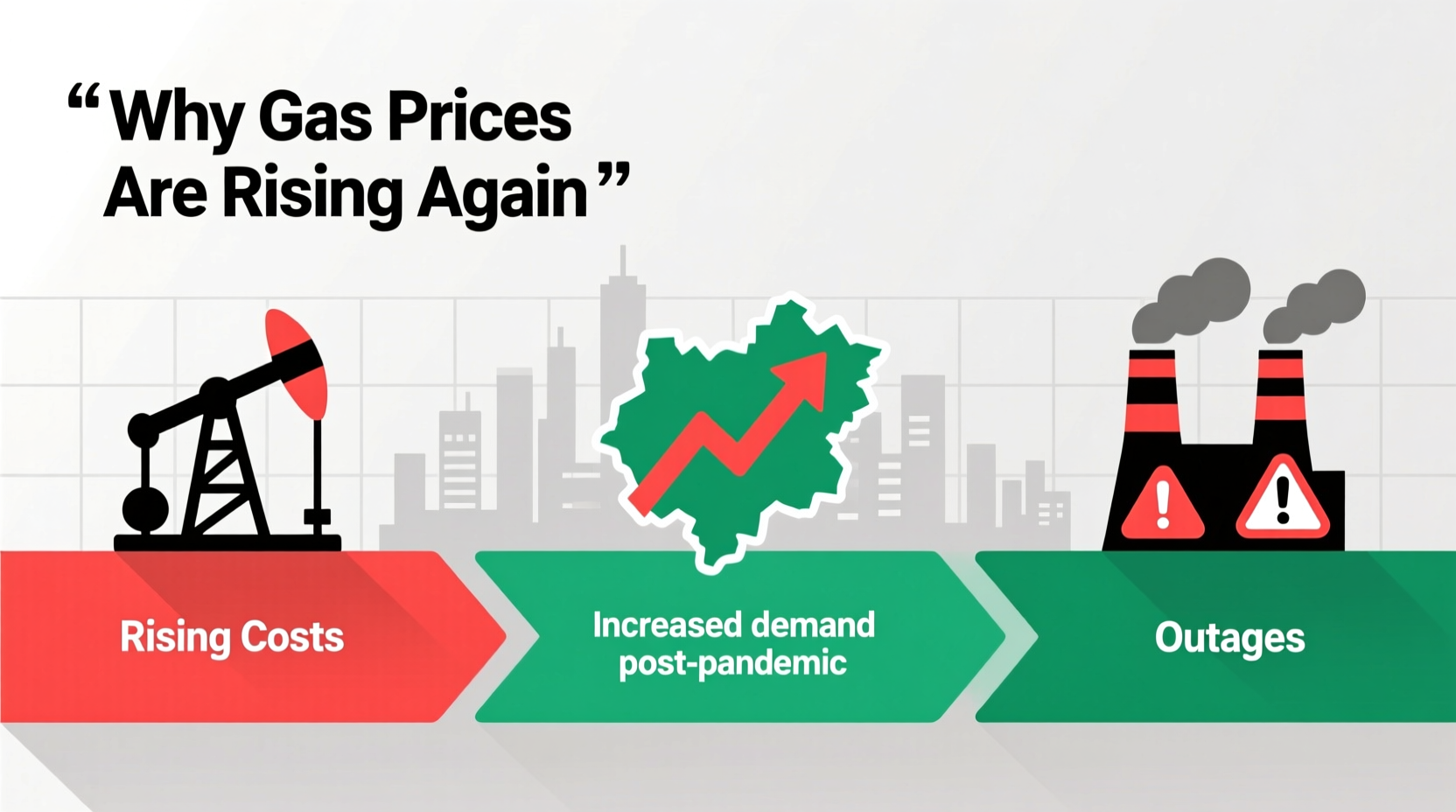
The most direct influence on gas prices is crude oil supply. When supply tightens, prices rise. Over the past year, several key developments have limited global oil availability. OPEC+—a coalition led by Saudi Arabia and Russia—has maintained production cuts since 2023, reducing output by over 2 million barrels per day. These deliberate cuts aim to stabilize prices amid uncertain demand but have the side effect of tightening supply.
Meanwhile, U.S. shale production growth has slowed. After rapid expansion in the early 2020s, many energy firms are prioritizing profitability over volume. Investors now demand returns, not just growth, leading companies to cap drilling. As a result, U.S. output has plateaued near 13 million barrels per day, leaving little room to absorb shocks from other producers.
Geopolitical tensions further strain supply. Conflicts in the Middle East, particularly disruptions near the Red Sea shipping lanes, increase risk premiums. Insurance and transportation costs rise when tankers must reroute, and markets anticipate potential supply interruptions—even if actual flows remain steady.
Demand Is Rebounding—Especially in Travel Seasons
On the flip side, demand for gasoline is increasing. Spring and summer traditionally bring higher driving volumes in the U.S., and 2024 is no exception. AAA reports that road trip bookings are up 12% compared to last year, signaling strong consumer travel intent. More miles driven means more fuel consumed.
Globally, economic recovery in parts of Asia—especially China and India—is boosting energy demand. Though China’s growth has been uneven, its transportation and industrial sectors continue to pull significant volumes of refined products. Unlike previous years, when pandemic restrictions suppressed mobility, today’s demand reflects a return to pre-COVID activity levels.
Additionally, airlines are ramping up flights, increasing demand for jet fuel—a product refined from the same crude oil used for gasoline. Refineries operate at capacity during peak seasons, making it harder to shift output between fuel types without trade-offs.
Refining Capacity: The Hidden Bottleneck
Crude oil doesn’t become gasoline automatically. It must be processed in refineries, and here lies another constraint. Over the past decade, the U.S. has lost refining capacity. Several major facilities shut down during the pandemic due to low demand and high operating costs. Some were converted into renewable fuel plants, while others closed permanently.
As of 2024, U.S. refining capacity is about 5% lower than its 2019 peak. This reduction limits how much gasoline can be produced, even if crude oil is available. When refineries undergo seasonal maintenance—typically in spring—the crunch intensifies. Reduced throughput during these periods leads to temporary shortages, pushing prices upward.
This bottleneck is especially pronounced on the East Coast, which relies heavily on imports and aging infrastructure. Any delay in shipments or unplanned outages can cause regional price spikes disproportionate to national averages.
“Refining margins are now a bigger driver of pump prices than crude oil itself,” says Dr. Lisa Tran, Senior Energy Analyst at the Institute for Energy Economics. “We’re seeing record crack spreads—the difference between crude cost and refined product value—because supply simply can’t keep up.”
Global Market Forces and Currency Effects
Oil is traded globally in U.S. dollars. When the dollar strengthens against other currencies, it becomes more expensive for foreign buyers to purchase oil, potentially suppressing demand. Conversely, a weaker dollar tends to boost demand—and prices.
In 2024, the dollar has remained relatively strong due to higher U.S. interest rates compared to Europe and Japan. However, this hasn't dampened demand as much as expected, suggesting underlying market tightness. Traders are pricing in scarcity, not abundance.
Moreover, financial speculation plays a role. Hedge funds and institutional investors hold positions in oil futures. When sentiment turns bullish—due to anticipated supply risks or strong economic data—they bid up contracts, influencing spot prices. These trades don’t directly deliver oil but affect perceived value and forward pricing, which trickles down to retail gasoline.
Policy and Environmental Shifts
Government policies also shape fuel costs. In the U.S., the Biden administration has continued to restrict new federal leasing for oil drilling, limiting future onshore production growth. While existing wells still produce, the pipeline of new projects has narrowed.
At the same time, environmental regulations are tightening. Seasonal transitions to summer-blend gasoline—required to reduce smog—are underway. This specialized fuel is more expensive to produce and takes longer to distribute, contributing to April and May price increases.
Internationally, the European Union’s carbon border tax and fuel efficiency mandates are reshaping refinery investment. Some European plants have reduced operations or shifted focus to biofuels, reducing transatlantic gasoline exports that once helped balance U.S. supply.
Real-World Example: Texas Price Surge in May 2024
In early May 2024, drivers in Houston saw gas prices jump 40 cents per gallon in under two weeks. The cause wasn’t a hurricane or major outage. Instead, a combination of factors converged: a fire at a small Gulf Coast refinery reduced local supply, coinciding with the switch to summer-blend fuel and increased Memorial Day travel planning.
Wholesale gasoline prices spiked by 60 cents overnight. Retailers, facing limited inventory and high wholesale costs, passed the increase to consumers. Social media backlash followed, but analysts noted the response was typical under constrained refining conditions. The episode highlights how localized issues can amplify broader market pressures.
Actionable Checklist: How to Respond to Rising Gas Prices
- Track price trends locally: Use apps like GasBuddy to identify the cheapest stations and optimal refill days.
- Adjust driving habits: Combine errands, avoid idling, and maintain proper tire pressure to improve fuel economy.
- Consider carpooling or public transit: Even one day per week can reduce monthly fuel spending by 20% or more.
- Lock in fuel costs if possible: For fleet operators or frequent drivers, fixed-price fuel cards can hedge against volatility.
- Review vehicle efficiency: Older vehicles lose efficiency over time. A timely tune-up can restore MPG.
- Plan travel during off-peak times: Leaving early morning or mid-week avoids congestion and reduces fuel waste.
Market Outlook: Will Prices Keep Rising?
Short-term projections suggest moderate price increases through summer. The EIA (U.S. Energy Information Administration) forecasts an average national gas price of $3.85 per gallon during Q2 2024, up from $3.40 in Q1. This assumes no major supply disruptions.
Longer term, structural changes loom. Electric vehicle adoption continues to grow, with EVs representing nearly 9% of new car sales in 2024. While this doesn’t immediately reduce gasoline demand—given the size of the existing combustion engine fleet—it signals a gradual decline in future consumption.
However, until charging infrastructure and battery range meet universal needs, gasoline will remain essential. And as long as supply remains tight and refining capacity constrained, prices will stay elevated compared to historical norms.
Frequently Asked Questions
Why do gas prices go up even when oil prices stay flat?
Because gasoline pricing depends on more than crude oil. Refining costs, distribution logistics, taxes, and local competition all play roles. A refinery outage or seasonal blend transition can raise pump prices even if crude remains stable.
Can the U.S. government lower gas prices directly?
Only indirectly. The government can release oil from the Strategic Petroleum Reserve (SPR), as it did in 2022, to temporarily increase supply. It can also relax environmental rules, such as allowing winter-blend fuel to be sold longer. But these are short-term tools with limited impact.
Are high gas prices good for the environment?
They can have mixed effects. Higher prices encourage conservation and accelerate EV adoption. But they also burden low-income households and may slow economic activity. Sustainable reductions in fuel use come from better technology and infrastructure, not price spikes alone.
Comparative Overview: Key Factors Driving Gas Prices in 2024
| Factor | Impact on Prices | Duration | Mitigation Options |
|---|---|---|---|
| OPEC+ Production Cuts | Significant Increase | Medium-Term (6–18 months) | Increased non-OPEC supply, SPR releases |
| Refinery Maintenance & Outages | Sharp Short-Term Spike | Short-Term (2–6 weeks) | Improved maintenance scheduling, import flexibility |
| Seasonal Fuel Blending | Moderate Increase | Annual (April–May) | Regional storage, phased rollout |
| Geopolitical Tensions | Volatility & Risk Premiums | Unpredictable | Diplomacy, diversified supply chains |
| Strong Travel Demand | Gradual Increase | Seasonal (Spring–Fall) | Public transit investment, remote work policies |
Conclusion: Navigating Volatility with Smarter Choices
Gas prices are rising again not because of one single event, but due to a convergence of supply limits, rising demand, refining bottlenecks, and global economic currents. While consumers can’t control oil markets, they aren’t powerless. Awareness of seasonal patterns, access to real-time pricing tools, and smarter driving habits can significantly reduce the personal impact of higher fuel costs.
At the same time, policymakers and industry leaders must address structural vulnerabilities—particularly in refining capacity and energy transition planning. Long-term stability won’t come from emergency measures, but from resilient infrastructure and diversified options.




 浙公网安备
33010002000092号
浙公网安备
33010002000092号 浙B2-20120091-4
Comments
No comments yet. Why don't you start the discussion?