
Horseshoes have been a part of equine care for over a thousand years, yet many people still wonder: why are they necessary? While wild horses thrive without them, domesticated horses often wear shoes for good reason. The practice is not merely tradition—it’s rooted in biomechanics, protection, and performance. Whether used for work, sport, or therapy, horseshoes serve specific purposes that support both the horse and its rider. This article breaks down the functional reasons behind horseshoe use, explores their benefits, and clarifies when they are—and aren’t—needed.
The Historical Evolution of Horseshoes
The use of protective coverings for horse hooves dates back to ancient times. Early civilizations experimented with \"hipposandals\"—leather or rawhide boots strapped around hooves—to protect animals during long treks. The first recognizable metal horseshoes appeared in Europe during the early Middle Ages, around the 9th century. These iron shoes were forged to fit individual hooves and nailed on for durability.
As roads improved and horses took on heavier labor—plowing fields, pulling carriages, and carrying armored knights—the need for hoof protection grew. Metal shoes reduced wear, prevented cracking, and allowed horses to perform more efficiently on hard surfaces. Over time, farriery evolved into a skilled trade combining blacksmithing and veterinary knowledge.
“Horseshoes are one of the oldest examples of applied animal biomechanics. Their development paralleled human reliance on horses for transportation and agriculture.” — Dr. Alan Thompson, Equine Biomechanics Researcher
Primary Purposes of Horseshoes
Horseshoes are not one-size-fits-all. Their design and application depend on the horse’s breed, workload, environment, and health. However, several core functions remain consistent across most uses:
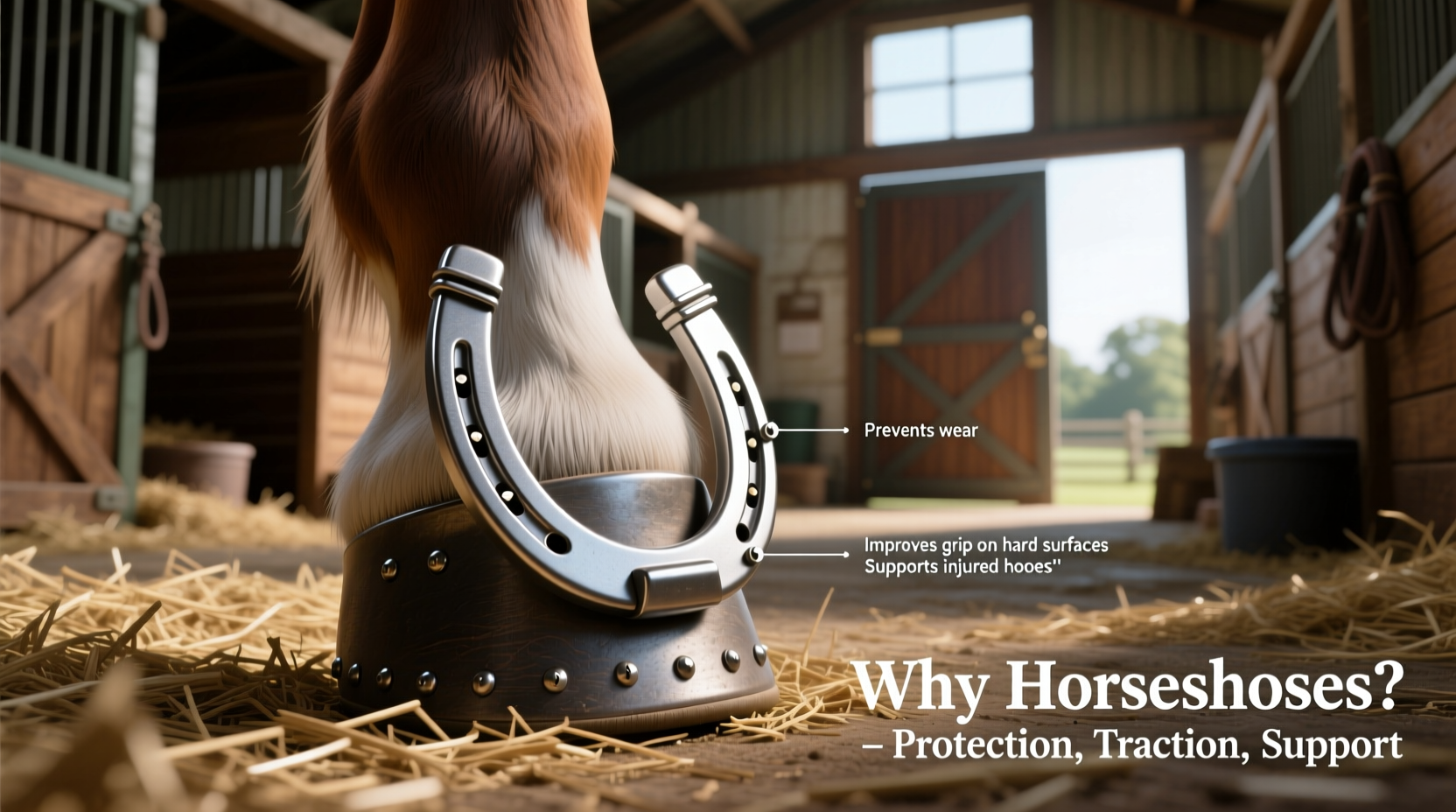
- Protection: Shields hooves from excessive wear on abrasive surfaces like asphalt, gravel, or rocky terrain.
- Support: Provides structural reinforcement for weak, cracked, or malformed hooves.
- Traction: Enhances grip on slippery or uneven ground, reducing the risk of slips and injuries.
- Performance Optimization: Custom shoes can improve gait efficiency, balance, and speed in sport horses.
- Therapeutic Aid: Corrective shoeing helps manage lameness, tendon issues, and joint disorders.
In essence, horseshoes act as both armor and orthotics for horses, adapting to their physical needs and working conditions.
Benefits of Properly Fitted Horseshoes
When applied correctly by a qualified farrier, horseshoes offer measurable advantages:
Enhanced Hoof Integrity
On hard or uneven terrain, unshod hooves can chip, crack, or wear down unevenly. Shoes distribute weight more evenly and reduce strain on sensitive internal structures like the coffin bone and laminae.
Improved Athletic Performance
Racehorses, show jumpers, and endurance riders rely on specialized shoes for optimal performance. Lightweight aluminum shoes reduce fatigue, while designs with toe grabs or heels enhance propulsion and stability.
Injury Prevention
Slips and falls are major risks, especially in wet or icy conditions. Shoes with borium studs, rubber pads, or traction grooves significantly improve grip, protecting both horse and rider.
Therapeutic Applications
Horses recovering from laminitis, navicular disease, or tendon injuries often require corrective shoeing. Farriers may use wedge shoes, heart bars, or egg-bar designs to redistribute pressure and encourage healing.
| Shoe Type | Purpose | Common Use Cases |
|---|---|---|
| Steel | Durability and wear resistance | Workhorses, trail riding, draft breeds |
| Aluminum | Lightweight performance | Racing, show jumping, eventing |
| Composite (Synthetic) | Shock absorption and flexibility | Rehabilitation, sensitive-footed horses |
| Frog Support Pads | Pressure distribution and comfort | Laminitis, thin soles, therapeutic cases |
When Are Horseshoes Not Necessary?
Not every horse requires shoes. In fact, many thrive barefoot, especially those with strong natural hooves and light workloads. Barefoot management has gained popularity among natural horsemanship advocates and is supported by growing research.
Horses kept on soft pasture, ridden infrequently, or used in low-impact activities often do well without shoes. Regular trimming and proper hoof hygiene are essential in these cases. Some owners transition their horses to barefoot after years of shoeing, though this must be done gradually under professional guidance.
Mini Case Study: Transitioning to Barefoot
Sarah, an owner of two Morgan mares, decided to go barefoot after noticing chronic sole bruising despite regular shoeing. Under her farrier’s supervision, she began a six-month transition plan involving frequent trims, padded boots for trail rides, and improved pasture footing. After nine months, both horses showed stronger hoof walls, better stride symmetry, and no signs of discomfort. Sarah now maintains them barefoot year-round with seasonal boot use during winter trails.
“Going barefoot isn’t a universal solution, but it’s a viable option when managed correctly. The key is matching the hoof care strategy to the horse’s lifestyle.” — Jen Lowell, Certified Journeyman Farrier
Step-by-Step Guide to Horseshoe Application
Proper shoeing is a precise process requiring skill and attention to detail. Here’s how a typical session unfolds:
- Hoof Inspection: The farrier evaluates the hoof’s shape, wear, cracks, and balance.
- Trimming: Excess hoof wall and sole are trimmed to restore natural shape and level the bearing surface.
- Shoe Selection: A pre-forged or custom shoe is chosen based on size, material, and function.
- Fitting: The shoe is shaped and smoothed to match the hoof contour using a forge or grinder.
- Attachment: The shoe is secured with clinched nails driven into insensitive parts of the hoof wall.
- Finishing: Nail ends are clipped and smoothed; the hoof is checked for balance and alignment.
- Follow-Up: The horse is observed moving to ensure comfort and proper gait.
This entire process typically takes 45–90 minutes and should be repeated every 4–8 weeks, depending on hoof growth and activity level.
FAQ
Do horseshoes hurt the horse?
No. The outer hoof wall—where nails are inserted—is similar to human fingernails and lacks nerve endings. When applied properly, the horse feels no pain. However, poor fitting or improper technique can cause discomfort or injury.
Can a horse walk immediately after being shod?
Yes. Most horses walk normally right after shoeing. In fact, corrective shoes are often applied precisely to improve immediate comfort and movement. Owners are advised to check for lost shoes or lameness in the following days.
Are there alternatives to traditional metal shoes?
Yes. Options include hoof boots for temporary protection, synthetic glue-on shoes, and barefoot trimming programs. Glue-ons are especially useful for horses with damaged hoof walls that can’t hold nails.
Checklist: Signs Your Horse May Need Shoes
- Flattened or cracked hooves after regular riding
- Frequent stone bruises or soreness on hard ground
- Participation in competitive or high-impact disciplines
- Diagnosis of hoof-related conditions (e.g., laminitis, navicular)
- Working on abrasive or slippery surfaces regularly
- Veterinarian or farrier recommendation for therapeutic support
Conclusion
Understanding why horseshoes are used goes beyond tradition—it’s about optimizing equine health, safety, and performance. From protecting delicate hooves on rugged terrain to aiding recovery from injury, horseshoes serve vital roles when applied thoughtfully. Yet, they’re not mandatory for every horse. The decision to shoe or go barefoot should be based on individual needs, expert assessment, and ongoing monitoring.
Whether you manage a backyard pony or a competitive athlete, partnering with a skilled farrier and veterinarian ensures your horse receives the best possible hoof care. Evaluate your horse’s lifestyle, consult professionals, and make informed choices that support long-term soundness.




 浙公网安备
33010002000092号
浙公网安备
33010002000092号 浙B2-20120091-4
Comments
No comments yet. Why don't you start the discussion?