
Humans occupy a unique place in the animal kingdom when it comes to diet. Unlike strict herbivores like cows or carnivores like lions, we thrive on a broad spectrum of foods—plant-based and animal-derived alike. This dietary flexibility is not accidental; it’s deeply rooted in our evolutionary past, anatomy, and physiology. Understanding why humans are omnivores offers insight into how we evolved, how our bodies function, and what kind of diets may best support our health today.
Anatomical Evidence of Omnivory
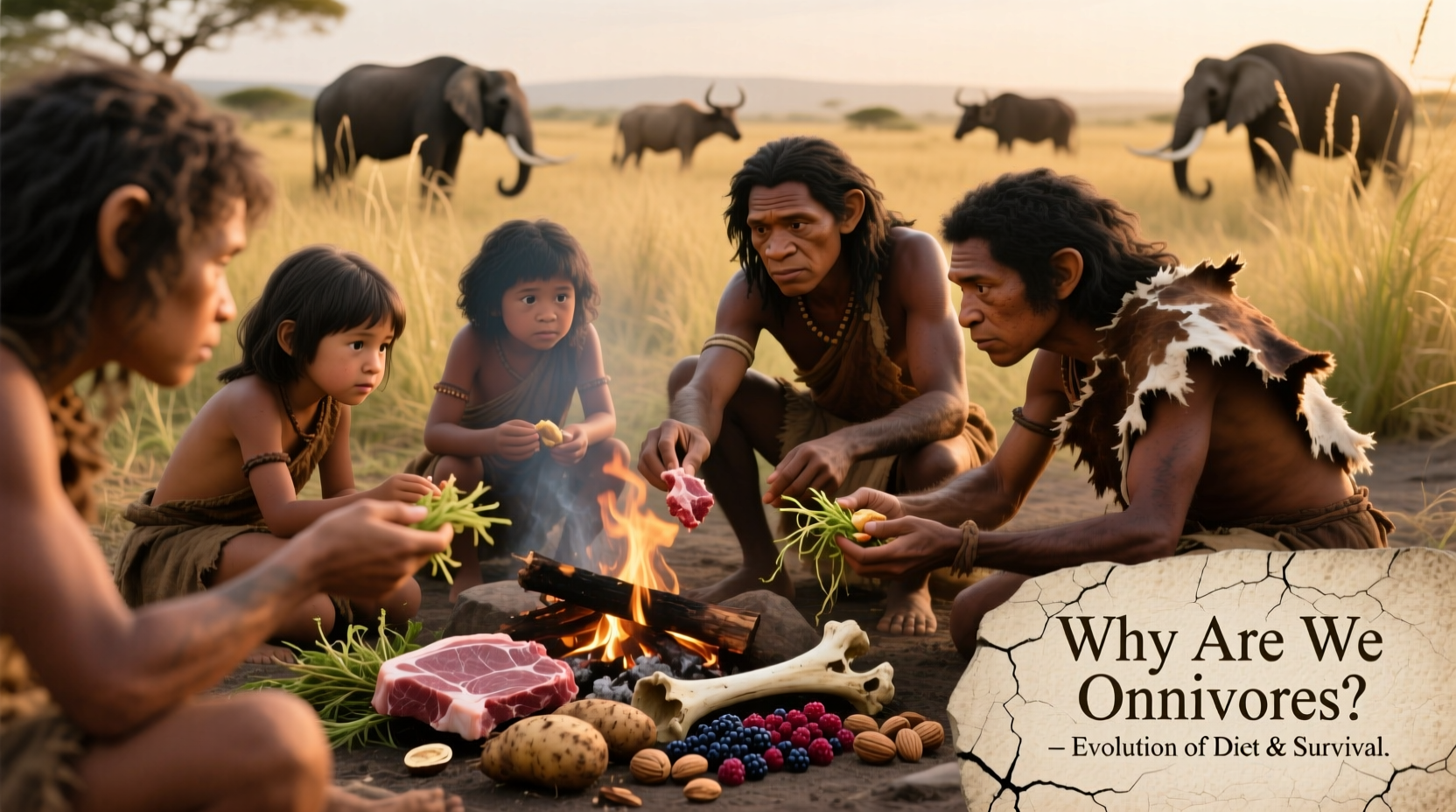
The human body exhibits clear physical traits that align with an omnivorous diet. Our teeth, for example, are a mosaic of functions: flat molars for grinding plant matter, sharp incisors for biting into fruits and vegetables, and pointed canines capable of tearing meat. This dental structure mirrors that of other omnivores like bears and pigs, rather than specialists like horses (herbivores) or wolves (carnivores).
Our digestive system further supports this classification. The length of the human gut falls between that of carnivores and herbivores—long enough to extract nutrients from fibrous plants but short enough to efficiently process animal proteins and fats. Additionally, our stomachs produce hydrochloric acid at levels comparable to those in carnivores, which helps break down proteins and kill harmful pathogens found in raw meat.
“Human anatomy doesn’t favor one extreme. We’re built to handle both plant fibers and animal tissues—a hallmark of omnivory.” — Dr. Katherine Milton, Biological Anthropologist, UC Berkeley
Evolutionary Journey: From Foragers to Farmers
Early hominins, such as Australopithecus, likely consumed mostly plant-based diets supplemented with insects and small animals. But around 2.6 million years ago, fossil evidence shows increased consumption of meat—cut marks on bones, stone tools for butchering, and changes in brain size suggest a pivotal shift.
The inclusion of nutrient-dense animal foods—particularly organ meats rich in iron, B12, and omega-3 fatty acids—may have fueled the rapid expansion of the human brain. According to the Expensive Tissue Hypothesis, energy diverted from a large digestive tract (no longer needed for processing tough plant fiber) was redirected toward brain development, enabled by more digestible, calorie-rich animal foods.
As Homo sapiens migrated across diverse environments—from arctic tundras to tropical forests—our ability to exploit local food sources became critical. Inuit populations thrived on marine mammals and fish, while East African communities relied heavily on tubers, grains, and legumes. This adaptability underscores our biological design as generalist feeders.
Dietary Adaptations Over Time
| Era | Diet Characteristics | Key Developments |
|---|---|---|
| Paleolithic (2.6M–10K yrs ago) | Hunted game, gathered plants, insects, eggs | Use of fire, improved hunting tools |
| Neolithic (10K–4K yrs ago) | Domestication of plants and animals | Rise of agriculture, grain-based staples |
| Modern Era | Globalized food systems, processed foods | Nutritional imbalances, chronic disease rise |
The Role of Cooking in Human Evolution
One of the most transformative milestones in human dietary evolution was the control of fire. Cooking made food safer, easier to chew, and more nutritious. Starches gelatinize when heated, making them far more digestible, and cooking breaks down toxins in certain plants.
Harvard primatologist Richard Wrangham argues in his book *Catching Fire: How Cooking Made Us Human* that cooked food allowed early humans to extract more calories with less effort, reducing gut size and freeing up energy for brain growth. This culinary revolution didn’t change our omnivorous nature—but it amplified its benefits.
Cooking also expanded the range of edible foods. Tubers like potatoes, which are toxic when raw, became viable staples. Meat could be preserved longer and made tender. These advantages gave early humans a survival edge over other species.
Nutritional Needs and Modern Diets
While humans can survive on strictly plant-based or animal-only diets under specific conditions, optimal health typically requires a mix of macronutrients and micronutrients best obtained from diverse sources.
- Vitamin B12: Found almost exclusively in animal products; deficiency leads to neurological issues.
- Heme iron: More bioavailable than non-heme iron from plants; crucial for oxygen transport.
- Omega-3 fatty acids (DHA/EPA): Abundant in fatty fish; vital for brain and eye function.
- Fiber and phytonutrients: Primarily sourced from fruits, vegetables, and whole grains; support gut health and reduce inflammation.
No single food group provides all essential nutrients. True omnivory allows us to meet these needs without supplementation—when done thoughtfully.
Mini Case Study: The Hadza People of Tanzania
The Hadza are one of the last remaining hunter-gatherer societies in Africa. Their daily diet varies seasonally but consistently includes both plant and animal foods. During dry months, they dig for tubers and gather berries, while also hunting game like baboons and birds using bows and arrows.
Studies show the Hadza have exceptional gut microbiome diversity—linked to high-fiber intake and lack of processed foods. Yet they also consume significant amounts of meat, demonstrating that traditional omnivory isn’t about equal portions, but adaptive inclusion based on availability and nutritional need.
Their lifestyle illustrates how ancestral patterns of flexible eating contribute to metabolic health and low rates of chronic disease—offering lessons for modern eaters navigating abundance rather than scarcity.
Practical Guide to Balanced Omnivorous Eating
Being biologically omnivorous doesn’t mean eating unlimited quantities of meat or junk food. It means leveraging our natural flexibility to build resilient, health-supportive diets. Follow this step-by-step approach:
- Assess your current intake: Track meals for three days to identify imbalances (e.g., too much processed meat, too few vegetables).
- Incorporate variety: Aim for at least 30 different plant foods per week (fruits, veggies, nuts, seeds, legumes).
- Choose quality animal products: Opt for pasture-raised, wild-caught, or sustainably sourced options when possible.
- Limit ultra-processed foods: Even if they contain both plant and animal ingredients, items like fast food burgers or frozen meals lack nutritional integrity.
- Listen to your body: Note energy levels, digestion, and satiety after meals to fine-tune your personal balance.
- ☑ Include vegetables in every meal
- ☑ Eat animal protein in moderate portions (palm-sized servings)
- ☑ Rotate protein sources (fish, poultry, eggs, red meat, legumes)
- ☑ Use healthy fats (olive oil, avocado, nuts)
- ☑ Stay hydrated and minimize sugary drinks
FAQ
Can humans live on a purely plant-based diet?
Yes, many people do so successfully, but it requires careful planning to avoid deficiencies in vitamin B12, iron, zinc, omega-3s, and complete proteins. Supplementation is often necessary.
Are humans meant to eat meat?
Anatomically and evolutionarily, yes. While ethical and environmental concerns influence modern choices, our biology clearly supports meat consumption as part of a balanced diet.
Does being omnivorous mean I should eat meat every day?
No. Omnivory is about capability, not obligation. Frequency depends on individual health, culture, access, and values. Some thrive on occasional meat; others include it daily. Flexibility is key.
Conclusion: Embracing Our Natural Flexibility
Humans are omnivores not because we must eat everything, but because we can. This adaptability has been central to our survival and success as a species. Rather than framing diet as a binary choice between plant or animal, we should embrace the wisdom of balance—drawing from both realms to nourish our bodies and respect our ecological context.




 浙公网安备
33010002000092号
浙公网安备
33010002000092号 浙B2-20120091-4
Comments
No comments yet. Why don't you start the discussion?