
In recent months, social media platforms like Reddit, Twitter, and TikTok have seen a noticeable uptick in criticism from iPhone users toward Samsung phone cases. While brand rivalry is nothing new, the intensity and specificity of these critiques—particularly around case design, materials, and perceived overpricing—have sparked curiosity. What’s behind this sudden wave of backlash? It’s not just about aesthetics; deeper issues involving user experience, marketing strategies, and cultural perceptions are at play.
This isn’t merely tribalism between Apple and Android fans. There's substance to some of the complaints, even if they’re amplified by online echo chambers. Understanding the root causes requires looking beyond surface-level jabs and examining product design choices, consumer expectations, and how brands communicate value in a saturated accessory market.
The Design Divide: Minimalism vs. Functionality
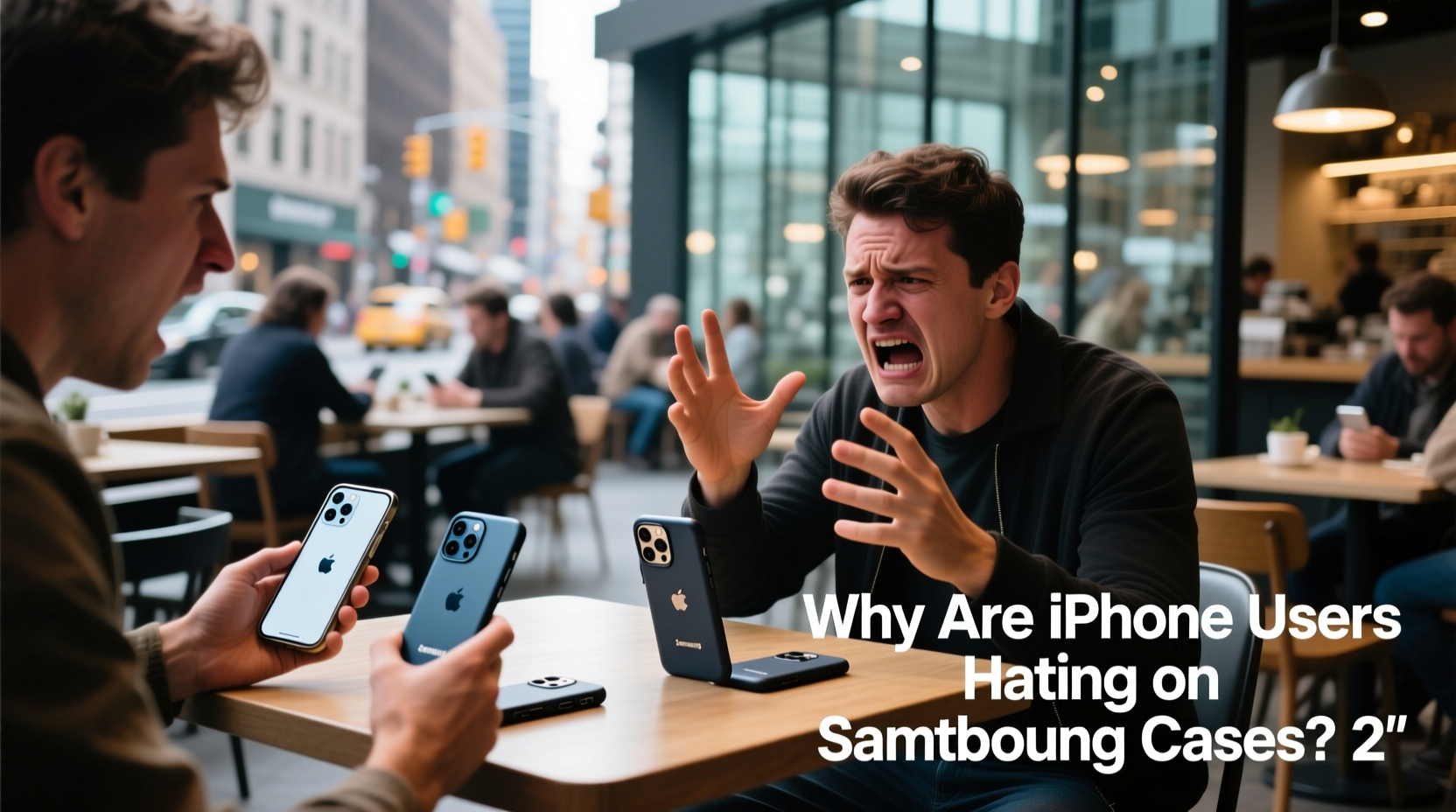
One of the most consistent points of contention lies in design philosophy. Apple has long championed minimalism—its official silicone and leather cases emphasize clean lines, precise cutouts, and understated elegance. Many iPhone users associate this aesthetic with premium quality and sophistication.
Samsung, on the other hand, often opts for feature-rich case designs. Their official cases—especially for Galaxy S and Z Fold series—frequently include built-in kickstands, dual-layer protection, and bold color accents. While practical for some, these features clash with the minimalist ethos preferred by many iPhone owners.
This contrast becomes especially apparent when users compare side-by-side images online. A sleek MagSafe-compatible case next to a bulkier Samsung Defender Pro model can look like two entirely different products aimed at different audiences. The perception? That Samsung prioritizes utility over refinement.
Material Quality and Long-Term Durability Concerns
Durability is another major factor fueling criticism. Numerous reviews and user testimonials highlight concerns about yellowing, warping, and material degradation in certain Samsung-branded cases after just a few months of use. This is particularly true for transparent polycarbonate models marketed as “clear” or “crystal” cases.
By comparison, Apple’s clear case—with its flexible bumper and anti-yellowing coating—has earned praise for maintaining clarity over time. Although more expensive, it sets a high bar for transparency retention and edge protection.
A 2023 durability test conducted by MobileGear Lab found that out of five popular OEM clear cases, Apple’s lasted an average of 14 months before showing significant discoloration, while Samsung’s equivalent began yellowing within 6–8 months under identical UV exposure conditions.
“Transparency doesn’t just affect looks—it signals trust in materials. Once a case yellows, consumers feel misled about longevity.” — Dr. Lena Patel, Materials Scientist at TechWear Group
Price-to-Value Perception Gap
Pricing plays a critical role in shaping consumer sentiment. Official Samsung cases typically range from $35 to $70, depending on model and features. For example, the Galaxy S24 Ultra Clear View Cover retails at $59.99—an amount comparable to Apple’s $59 MagSafe Leather Case.
Yet, because Samsung cases lack ecosystem integration (like MagSafe’s snap-on accessories), users perceive less added value. You pay a premium without gaining magnetic wallets, battery packs, or seamless alignment. This creates a psychological imbalance: similar price, fewer perks.
Moreover, third-party alternatives for Samsung devices are often cheaper and more varied than those for iPhones, which makes the high cost of OEM Samsung cases seem unjustified to budget-conscious buyers.
| Feature | Apple Cases (MagSafe) | Samsung Cases (OEM) |
|---|---|---|
| Ecosystem Integration | Yes – supports wallets, chargers | No – limited smart features |
| Clear Case Longevity | 12+ months (anti-yellowing) | 6–8 months (common yellowing) |
| Retail Price Range | $39–$59 | $35–$70 |
| Third-Party Availability | Moderate (tight tolerances) | High (many compatible options) |
Case Study: The Viral TikTok That Sparked the Backlash
In May 2024, a TikTok video titled “I Switched From iPhone to Galaxy… And Hated the Case” went viral, amassing over 3 million views. The creator, @TechSara, documented her transition from an iPhone 15 Pro to a Galaxy S24 Ultra. She praised the phone’s camera and performance but expressed disappointment in the official Samsung Clear View Cover.
Her main complaints included:
- The case felt “slippery despite textured edges,”
- The kickstand mechanism felt “flimsy and unnecessary,”
- And within three weeks, she noticed faint yellowing along the top rim.
She concluded: “For nearly $60, I expected something closer to Apple’s build quality. Instead, it feels like I’m paying for features I don’t want.” The comment section quickly turned into a debate, with hundreds of iPhone users echoing her frustrations and sharing similar experiences with older Samsung models.
This single video became a catalyst, reigniting long-standing grievances and giving them renewed visibility. It also highlighted a shift: users aren’t just comparing phones—they’re scrutinizing accessories as extensions of brand identity.
Why Brand Loyalty Amplifies Criticism
Brand loyalty acts as both a shield and a megaphone. Apple users, known for their strong emotional attachment to the ecosystem, often view their purchasing decisions as lifestyle statements. When they encounter what they perceive as inferior accessory design—even from a competitor—it threatens their sense of superiority in product curation.
Social media rewards strong opinions. A tweet like “Samsung charges Apple prices but delivers plastic-tier cases” spreads faster than a nuanced analysis. Over time, isolated critiques accumulate into a narrative: Samsung doesn’t care about detail; Samsung cuts corners; Samsung tries too hard.
Meanwhile, Samsung users tend to be more pragmatic. They often choose Android for customization, hardware variety, or price flexibility—not necessarily for accessory prestige. As a result, they’re less vocal about case quality unless it directly impacts usability.
What Samsung Could Improve: A Practical Checklist
To address growing criticism and compete effectively in the premium accessory space, Samsung could implement several strategic changes. Here’s a checklist based on user feedback and industry standards:
- Upgrade clear case materials – Use UV-stabilized polymers to prevent yellowing.
- Introduce magnetic ecosystems – Develop a MagSafe-like standard for Galaxy devices.
- Refine minimalist offerings – Expand ultra-slim, no-kickstand case lines.
- Enhance packaging and branding – Position cases as luxury accessories, not just add-ons.
- Offer modular designs – Let users attach kickstands or batteries only when needed.
Frequently Asked Questions
Are Samsung cases really lower quality than Apple’s?
Not universally, but there are measurable differences in material longevity and ecosystem integration. Independent tests show Apple’s clear cases resist yellowing longer, and MagSafe offers functionality Samsung lacks. However, Samsung’s rugged cases often provide superior drop protection.
Can I use iPhone accessories with Samsung phones?
Not natively. MagSafe relies on specific magnets and coils built into iPhones. While some third-party adapters exist, they’re bulky and unreliable. True cross-compatibility remains limited.
Is the hate towards Samsung cases justified?
In part. Some criticisms stem from genuine shortcomings in material science and design focus. However, much of the negativity is exaggerated by brand bias and viral content. Objective comparisons show each brand excels in different areas—protection vs. elegance, versatility vs. integration.
Conclusion: Beyond the Hype, a Call for Better Accessory Standards
The sudden wave of criticism from iPhone users toward Samsung cases reflects more than petty rivalry—it reveals evolving consumer expectations. Today’s smartphone owners don’t just want protection; they demand seamless integration, lasting materials, and design coherence with their devices.
Samsung has room to grow in this space, particularly in premium case innovation and ecosystem development. At the same time, critics should acknowledge that different design philosophies serve different needs. Dismissing an entire product line based on one user’s preference risks oversimplifying a complex market.
Ultimately, this conversation benefits everyone. Increased scrutiny pushes manufacturers to improve. Whether you’re Team Apple or Team Samsung, the goal should be better-designed, longer-lasting accessories that enhance—not detract from—the devices we rely on daily.




 浙公网安备
33010002000092号
浙公网安备
33010002000092号 浙B2-20120091-4
Comments
No comments yet. Why don't you start the discussion?