
In gardens across Japan and increasingly around the world, one detail stands out: the exceptional sharpness of traditional Japanese gardening tools. From pruning shears to sickles and hand saws, these instruments cut with surgical precision. But what makes them so consistently sharp? It’s not just about the edge—it’s a culmination of centuries-old metallurgical knowledge, meticulous handcrafting, ergonomic design, and a cultural reverence for precision. The answer lies in a philosophy where form, function, and respect for nature converge.
Japanese garden tools are more than practical implements—they are extensions of the gardener’s hand, shaped by a tradition that values subtlety, balance, and efficiency. Unlike mass-produced Western equivalents, many Japanese tools are forged by artisans who treat metal like an art form. This deep-rooted approach results in tools that not only last longer but perform better from the first use. Understanding this requires examining the materials, forging techniques, design logic, and cultural context that make these tools uniquely effective.
The Science Behind the Edge: Steel Quality and Heat Treatment
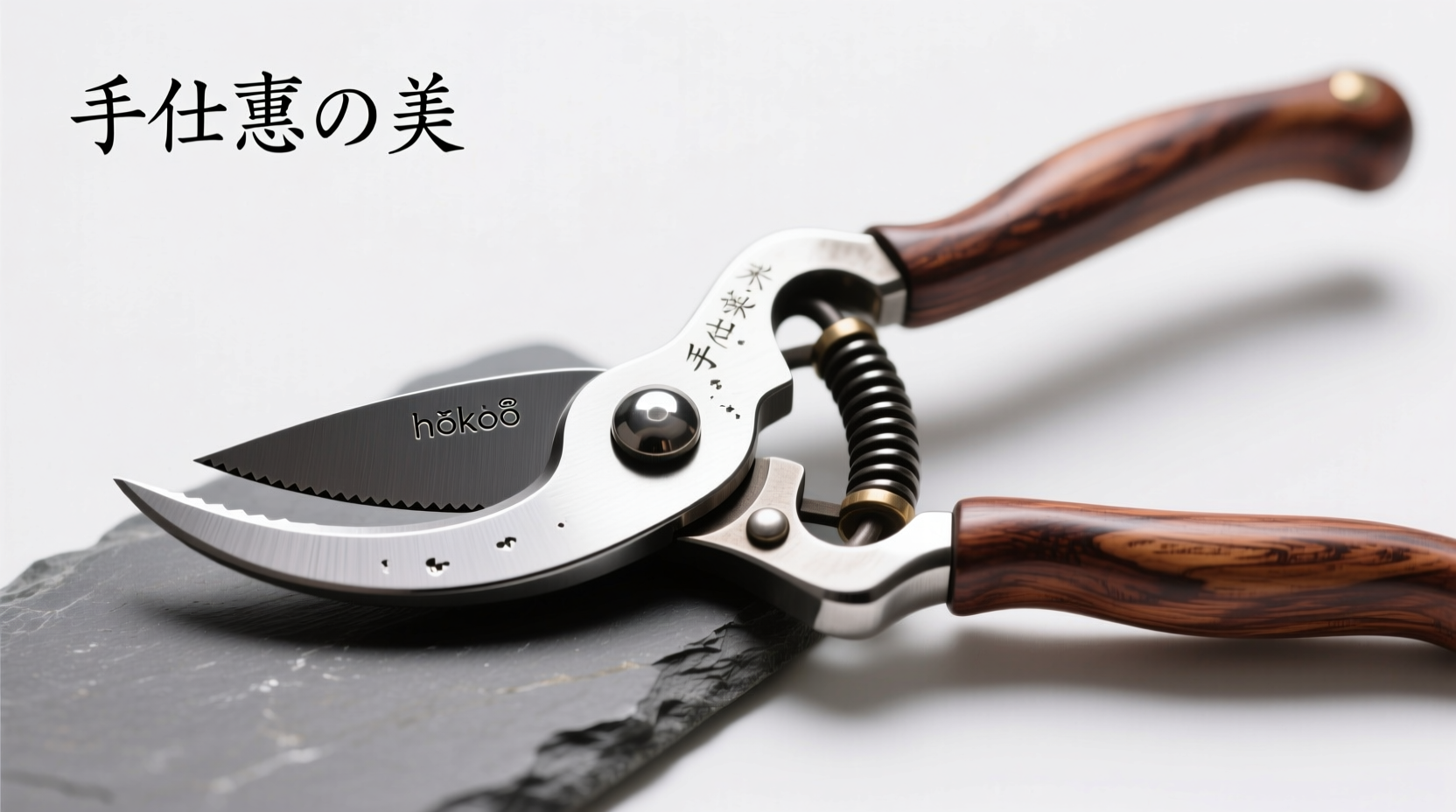
The foundation of any sharp tool is its steel. Japanese garden tools often use high-carbon steel, sometimes referred to as kobuse or white steel (shirogami), known for its ability to take and hold a razor-sharp edge. These steels contain minimal impurities, allowing for a cleaner grain structure and finer crystalline formation during heat treatment.
What sets Japanese metallurgy apart is the controlled heating and quenching process. Artisans heat the blade to precise temperatures and then rapidly cool it—a method called yaki-ire. This transforms the steel’s molecular structure, creating a hard outer layer while maintaining a softer, resilient core. The result is a blade that resists chipping under stress yet remains keen enough to slice cleanly through plant fibers without crushing them.
This differential hardening technique, historically perfected in sword-making, has been adapted seamlessly into garden tool production. A well-forged Japanese bypass pruner, for example, can maintain its edge through hundreds of cuts before needing touch-up sharpening—far surpassing many stainless-steel alternatives.
Ergonomic Design: Form Follows Function
Beyond steel quality, Japanese garden tools excel due to intelligent design focused on reducing fatigue and maximizing control. Many feature asymmetrical handles, offset blades, or curved profiles that align naturally with human biomechanics. Take the okatsune hand sickle: its gently curved blade follows the arc of the wrist, enabling smooth, slicing motions rather than forceful chopping.
Handles are typically made from sustainably sourced hardwoods like magnolia or cherry, shaped to fit comfortably in the palm. Some models include rubberized grips or textured finishes for added security when working in damp conditions. The weight distribution is deliberate—light enough for prolonged use, heavy enough to carry momentum through dense stems.
One notable innovation is the double-bevel or compound angle grind found on many Japanese secateurs. Unlike single-bevel Western designs that push material aside, these allow for clean, centered cuts that minimize tissue damage—a critical factor in horticulture, where clean wounds heal faster and resist disease.
“Precision in gardening starts with the tool. A poorly aligned cut invites pathogens. Japanese tools deliver the kind of accuracy that supports plant health.” — Dr. Haruto Sato, Botanical Researcher at Kyoto Prefectural University
Artisan Craftsmanship vs. Mass Production
While many modern garden tools are stamped, welded, and machine-ground in large factories, premium Japanese tools are still largely hand-forged. Small workshops in regions like Seki City—renowned for blade-making since the 13th century—continue traditions passed down through generations.
Each tool undergoes multiple stages: forging, shaping, heat treating, hand-grinding, polishing, and final assembly. Skilled craftsmen inspect every piece for symmetry, balance, and edge integrity. This hands-on oversight ensures consistency and quality that automated lines often miss.
Consider the Niwaki brand, which collaborates directly with Seki blacksmiths. Their bypass pruners go through over 20 manual steps before reaching the customer. Each hinge is tension-tested; each blade honed to a mirror finish. This level of care translates directly into performance—tools feel balanced, open smoothly, and cut effortlessly.
Even entry-level Japanese tools benefit from this heritage. While not all are hand-forged, they often follow strict design standards rooted in traditional practices. The emphasis remains on longevity and utility, not disposable convenience.
Comparative Analysis: Japanese vs. Western Garden Tools
| Feature | Japanese Tools | Western Tools |
|---|---|---|
| Steel Type | High-carbon or laminated steel (e.g., Shirogami) | Stainless or chrome-plated steel |
| Edge Sharpness | Extremely sharp out of box; fine bevel grinds | Moderate sharpness; often requires initial sharpening |
| Durability | Long-lasting edge but requires maintenance | Corrosion-resistant but may dull faster |
| Ergonomics | Asymmetrical handles, lightweight, balanced | Straight handles, often heavier |
| Production Method | Hand-forged or semi-handcrafted | Mass-produced, machine-assembled |
| Initial Cost | Higher (premium models $50–$120) | Lower ($15–$40) |
| Lifespan | Decades with proper care | 3–7 years average |
Real-World Example: A Tokyo Gardener’s Daily Routine
Takeshi Ito, a professional gardener maintaining private estates in western Tokyo, relies exclusively on Japanese tools. Every morning, he selects his Sugioka bypass pruners and Maruyama concave loppers for precision trimming of azaleas and maples. “I used German-made shears early in my career,” he explains, “but they crushed stems and required constant adjustment. My current tools cut cleanly with half the effort.”
Over a typical workday, Takeshi makes over 500 cuts. Yet, his tools remain sharp for weeks. He attributes this to both the initial quality and his maintenance routine: wiping blades after each job, occasional oiling, and re-sharpening every six weeks using a water stone. “The tool becomes part of your rhythm,” he says. “When it’s balanced and sharp, you don’t fight the plant—you guide the cut.”
This case illustrates how superior design translates into real-world efficiency. Less physical strain, fewer repetitive motion injuries, and healthier plants are direct outcomes of using finely crafted tools.
Care and Maintenance: Preserving the Edge
To get the most out of Japanese garden tools, proper care is essential. High-carbon steel, while exceptionally sharp, is prone to rust if neglected. Here’s a step-by-step guide to maintaining peak performance:
- After each use: Wipe blades with a dry cloth to remove sap and moisture.
- Weekly: Clean with a mild solvent or vinegar solution to remove resin buildup.
- Monthly: Apply a light coat of camellia oil or mineral oil to prevent oxidation.
- Every 4–6 weeks: Hone the edge with a fine water stone (1000–3000 grit).
- Annually: Inspect hinges and screws; replace springs if tension weakens.
Sharpening is best done using traditional Japanese water stones, which produce a burr-free, polished edge. Unlike abrasive wheels that generate heat and alter steel temper, water stones cut cool and allow for micro-bevel refinement. With practice, users can restore factory-level sharpness in minutes.
Frequently Asked Questions
Are Japanese garden tools worth the higher price?
Yes, especially for serious gardeners. While the upfront cost is greater, the longevity, reduced physical strain, and superior cutting performance offer long-term value. A single high-end pruner can last decades with care, making it more economical than replacing cheaper models every few years.
Can I use Western sharpening tools on Japanese blades?
You can, but with caution. Diamond files or rotary tools may remove too much material or overheat the edge. For best results, use water stones or ceramic rods that mimic traditional grinding angles. Always follow the original bevel profile to preserve cutting geometry.
Do Japanese tools require special storage?
They benefit from dry, ventilated storage. Because many are made with carbon steel, avoid damp basements or unheated sheds. A simple wooden toolbox with silica gel packs provides ideal conditions. Hanging tools on a pegboard also prevents blade contact and promotes airflow.
Action Checklist: Getting Started with Japanese Garden Tools
- ✅ Identify your primary gardening tasks (pruning, harvesting, weeding) to choose the right tools.
- ✅ Invest in one high-quality tool first—such as bypass pruners or a hori-hori knife.
- ✅ Learn basic sharpening with a 1000-grit water stone.
- ✅ Establish a cleaning routine: wipe after use, oil monthly.
- ✅ Store tools in a dry, accessible location away from moisture.
- ✅ Join online communities or forums to exchange tips with experienced users.
Conclusion: Precision Rooted in Tradition
The sharpness of Japanese garden tools is not accidental—it is the product of a culture that honors craftsmanship, efficiency, and harmony with nature. From the selection of superior steel to the hand-finishing of each blade, every stage is designed to enhance performance and reduce waste. These tools do more than cut; they enable a mindful, precise approach to gardening that respects both the plant and the practitioner.
Whether you're tending a bonsai or trimming a hedge, switching to a well-made Japanese tool can transform your experience. The initial investment pays dividends in comfort, accuracy, and durability. As gardeners rediscover the value of quality over quantity, these timeless implements continue to earn their reputation—one clean cut at a time.




 浙公网安备
33010002000092号
浙公网安备
33010002000092号 浙B2-20120091-4
Comments
No comments yet. Why don't you start the discussion?