
Abusive behavior in relationships is a deeply complex and painful issue that affects millions of individuals worldwide. While abuse can be perpetrated by anyone regardless of gender, statistical data consistently shows that men are disproportionately represented as perpetrators in cases of intimate partner violence. Understanding why some men become abusive is not about excusing harmful actions, but about identifying root causes and systemic influences to promote accountability, intervention, and long-term change. This article examines psychological, social, cultural, and environmental factors that contribute to abusive behavior in men, offering insight for survivors, advocates, and those seeking personal growth.
Psychological and Emotional Roots of Abuse
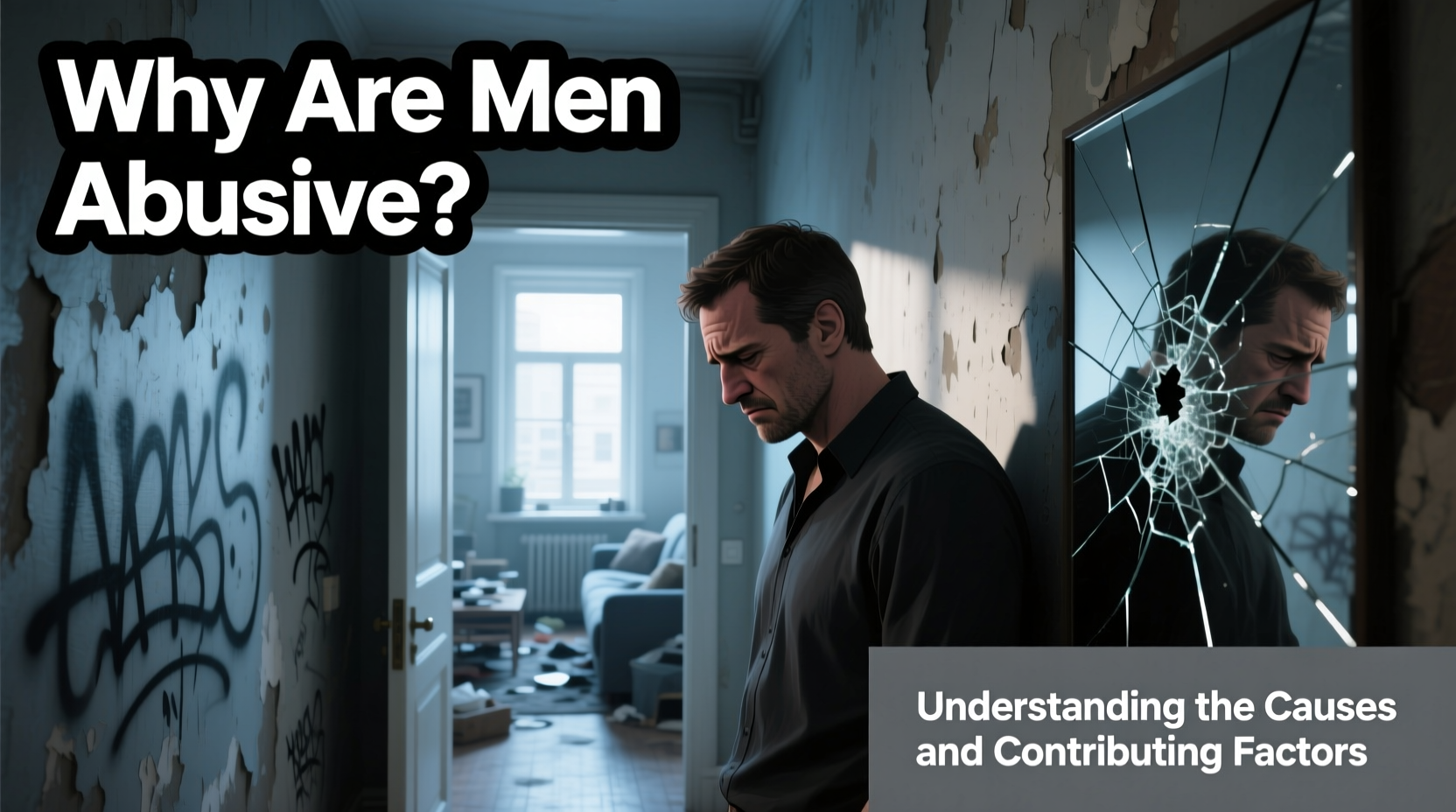
At the core of many abusive behaviors lie unresolved psychological issues. Men who exhibit controlling or violent tendencies often struggle with emotional regulation, low self-esteem, or untreated mental health conditions such as depression, anxiety, or personality disorders—particularly narcissistic or antisocial traits. These internal struggles can manifest externally as dominance, manipulation, or aggression within relationships.
Childhood trauma plays a significant role. Men who experienced physical, emotional, or sexual abuse during formative years may internalize violence as a normal means of asserting power or managing stress. In some cases, they replicate the dynamics they witnessed at home, believing that control and fear are essential components of love and authority.
Societal and Cultural Influences
Cultural norms around masculinity significantly shape how men perceive their roles in relationships. Traditional gender expectations often emphasize dominance, emotional suppression, and control as markers of strength. Phrases like “men don’t cry” or “be a man” reinforce the idea that vulnerability is weakness, pushing men toward stoicism or aggression instead of healthy communication.
In many communities, patriarchal structures normalize male authority over women. When these beliefs go unchallenged, they can create environments where abuse is minimized, excused, or even justified under the guise of “discipline” or “protection.” Media portrayals of romantic relationships often glorify possessiveness or jealousy as signs of passion, further distorting perceptions of healthy intimacy.
“Abuse isn’t just about individual pathology—it’s embedded in systems that teach men they must dominate to be respected.” — Dr. Lena Peterson, Clinical Psychologist and Gender Violence Researcher
Contributing Environmental and Behavioral Factors
While psychological makeup and culture lay the foundation, immediate environmental triggers can escalate abusive tendencies. Substance abuse, financial stress, unemployment, and social isolation increase the risk of violent behavior. Alcohol and drugs, in particular, lower inhibitions and impair judgment, making it more likely for underlying aggressive impulses to surface.
Additionally, relationship dynamics matter. Men who feel insecure about their partner’s independence, success, or social connections may resort to coercion or surveillance to regain a sense of control. This is especially common in situations where traditional gender roles are disrupted—such as when a woman earns more or pursues ambitions outside the home.
| Factor | Impact on Behavior | Prevention Strategy |
|---|---|---|
| Childhood abuse exposure | Normalizes violence as conflict resolution | Early trauma counseling and parenting education |
| Rigid masculinity norms | Discourages emotional expression | Gender-equity education in schools |
| Substance abuse | Impairs impulse control | Integrated treatment programs |
| Unemployment/stress | Increases frustration and helplessness | Access to mental health and job support services |
Mini Case Study: The Cycle of Learned Behavior
James, a 34-year-old warehouse supervisor, began exhibiting controlling behavior after his wife returned to college. He monitored her phone, restricted her outings, and criticized her appearance. During therapy, he revealed growing up in a household where his father routinely belittled and physically punished his mother. “I thought that’s just how men kept things in order,” James admitted. With professional intervention, he recognized his inherited beliefs and committed to changing his behavior through cognitive behavioral therapy and participation in a domestic violence intervention program.
This case illustrates how intergenerational trauma, combined with societal expectations, can perpetuate cycles of abuse—even among men who do not intend to harm their partners.
Accountability vs. Excuse: A Critical Distinction
Understanding the causes of abuse must never be mistaken for justification. No amount of trauma, stress, or cultural influence excuses violence or manipulation. Responsibility lies with the individual to seek help, develop empathy, and learn non-abusive ways of relating to others.
Effective intervention requires acknowledging that abusive behavior is a choice—a pattern of actions taken to gain power and control. Even if rooted in pain, these behaviors can and must be changed through accountability, education, and sustained therapeutic effort.
Step-by-Step Guide to Recognizing and Addressing Risk Factors
- Self-Assessment: Reflect honestly on your behavior. Do you feel entitled to control your partner? Do you react with anger when challenged?
- Identify Triggers: Note situations that lead to jealousy, rage, or possessiveness—stress, insecurity, substance use.
- Seek Professional Help: Engage a licensed therapist specializing in domestic violence or trauma-informed care.
- Join Intervention Programs: Enroll in evidence-based batterer intervention programs (BIPs) that focus on accountability, not blame-shifting.
- Practice Non-Violent Communication: Learn to express needs without intimidation, threats, or guilt-tripping.
- Monitor Progress: Regularly evaluate changes in behavior with a counselor and accept feedback from trusted peers.
Support Systems and Prevention Strategies
Preventing abuse starts long before relationships form. Comprehensive education on emotional intelligence, consent, and gender equality should begin in schools. Community programs that mentor young men, challenge toxic masculinity, and model healthy relationships can shift cultural norms over time.
For existing relationships, early warning signs—like isolation, criticism, or monitoring—are red flags that should prompt action. Friends, family, and healthcare providers play vital roles in identifying abuse and connecting victims with resources such as shelters, hotlines, and legal aid.
- National Domestic Violence Hotline (U.S.): 1-800-799-SAFE (7233)
- Crisis Text Line: Text HOME to 741741
- Local counseling centers offering trauma-informed therapy
Checklist: Signs of Potentially Abusive Tendencies (For Self-Reflection)
- Feel intense jealousy when your partner spends time with others
- Attempt to control what your partner wears or who they see
- Blame your partner for your anger or mood swings
- Have a history of volatile or short-term relationships
- Fear abandonment and react strongly to perceived rejection
- Struggle to apologize or admit fault
- Use intimidation, silence, or threats to resolve conflict
FAQ
Can an abusive man truly change?
Change is possible, but only through sustained effort, professional intervention, and genuine accountability. It requires abandoning entitlement, developing empathy, and consistently choosing non-violent behaviors over time. However, the safety of the victim must always come first—change cannot be assumed or rushed.
Is abuse always physical?
No. Emotional, verbal, financial, and sexual abuse are equally damaging. Controlling behavior, gaslighting, humiliation, and isolation are forms of abuse that often precede or replace physical violence.
Does alcohol cause abuse?
Alcohol does not cause abuse, but it can exacerbate existing tendencies. Many abusive men drink heavily, yet they remain selective about their targets and timing—indicating that intoxication is used as an excuse, not the root cause.
Conclusion
Understanding why some men become abusive is a crucial step toward breaking cycles of harm and fostering healthier relationships. It demands honest conversations about trauma, masculinity, power, and responsibility. For survivors, knowledge empowers safety planning and healing. For men willing to confront their behavior, support and transformation are available. And for society, prevention lies in redefining strength—not as control, but as compassion, respect, and emotional courage.




 浙公网安备
33010002000092号
浙公网安备
33010002000092号 浙B2-20120091-4
Comments
No comments yet. Why don't you start the discussion?