
Misogyny—the deep-seated prejudice against women—is not a new phenomenon. While it manifests in various forms, from overt discrimination to subtle microaggressions, one recurring question remains: why are some men misogynistic? Understanding this requires more than pointing fingers; it demands an honest exploration of historical structures, psychological conditioning, cultural norms, and systemic power dynamics. Misogyny is not inherent to being male, but rather a learned behavior shaped by environment, upbringing, and societal reinforcement.
To dismantle harmful patterns, we must first understand their origins. This article examines the multifaceted roots of male misogyny, offering insight into how patriarchal systems, emotional repression, media influence, and identity crises contribute to gender-based hostility—and what can be done to shift the narrative.
The Historical Foundations of Patriarchy
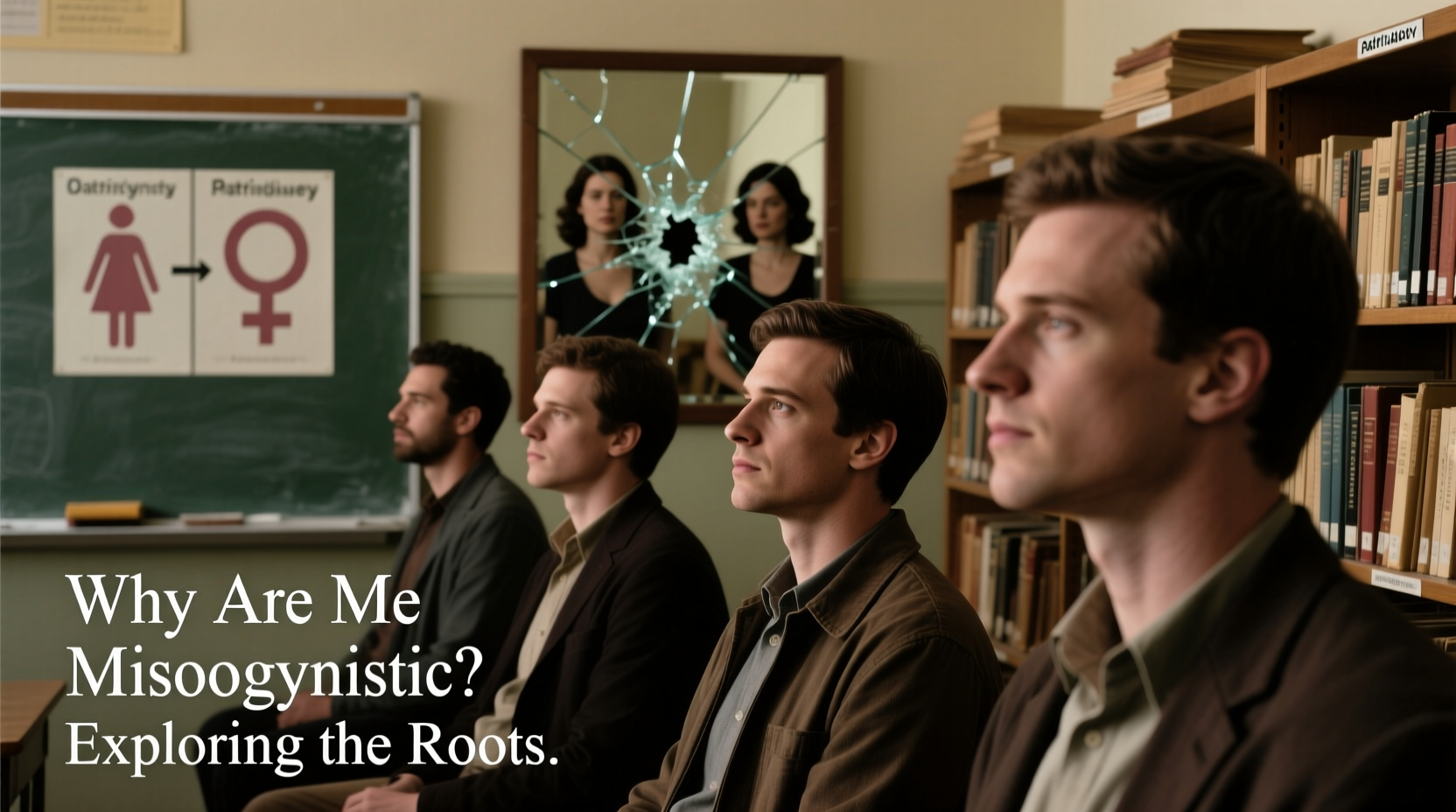
Patriarchal systems have dominated most societies for centuries. These structures institutionalized male authority over family, property, governance, and religion, positioning women as subordinate. In ancient civilizations—from Rome to China—men held legal control over women’s bodies, labor, and reproductive rights. Religious doctrines often reinforced these hierarchies, framing female nature as morally weaker or spiritually suspect.
This long history created a legacy where dominance became synonymous with masculinity. Power was not just political—it was personal. To be a man meant to exert control, especially over women. Even as laws evolved toward gender equality, cultural attitudes lagged behind. The idea that men should lead, protect, and regulate women persists subtly in everyday interactions, workplace dynamics, and familial roles.
“Patriarchy doesn’t just oppress women—it traps men in rigid roles that demand emotional suppression and dominance.” — Dr. Michael Kimmel, Sociologist and Gender Studies Expert
Psychological Conditioning and Emotional Repression
From a young age, boys are often taught to suppress emotions. Phrases like “boys don’t cry” or “man up” communicate that vulnerability is weakness. This emotional isolation shapes male identity development, leading many men to equate sensitivity with femininity—and thus, inferiority.
When emotions cannot be processed healthily, they may manifest as anger, resentment, or contempt—especially toward those perceived as threats to traditional masculinity. Women who assert independence, challenge authority, or succeed professionally can inadvertently trigger defensiveness in men socialized to see such traits as destabilizing.
Moreover, research shows that men raised in highly rigid gender-role environments are more likely to express hostility toward women, particularly when their sense of control is questioned. This isn’t excusable behavior—but it is explainable.
Cultural Narratives and Media Influence
Popular culture plays a powerful role in normalizing misogynistic attitudes. From advertising that objectifies women to movies glorifying the “alpha male,” media consistently reinforces outdated stereotypes. Social media amplifies these messages, creating echo chambers where toxic ideologies thrive unchecked.
Online communities, particularly in certain corners of the internet, promote extreme views under the guise of “red pill” philosophy or anti-feminist rhetoric. These spaces exploit male insecurities about dating, career prospects, and social status, redirecting frustration toward women instead of addressing structural issues like economic inequality or lack of mental health support.
The normalization of casual sexism—jokes about \"feminazis,\" dismissals of harassment claims, or labeling assertive women as “bossy”—further desensitizes individuals to the harm caused by dehumanizing language.
Media Messages and Their Impact on Perception
| Media Type | Common Message | Potential Effect on Male Attitudes |
|---|---|---|
| Action Films | Heroic men save passive women | Reinforces protector/savior complex |
| Reality TV | Women portrayed as dramatic or manipulative | Fuels stereotype of emotional instability |
| Social Media Memes | Mockery of feminism or relationships | Normalizes disrespect through humor |
| Music Videos | Objectification of female bodies | Reduces women to aesthetic value |
The Crisis of Masculine Identity in Modern Society
As gender roles evolve, many men feel uncertain about their place in society. Economic shifts have eroded traditional male-dominated industries, while rising educational attainment among women challenges old assumptions about breadwinner roles. For some, these changes provoke anxiety—not because equality is undesirable, but because few alternative models of masculinity are offered.
Without positive frameworks for redefining manhood beyond dominance and control, some men retreat into reactionary ideologies. Misogyny becomes a defense mechanism—a way to reclaim perceived lost status. This is evident in backlash against movements like #MeToo, which, despite aiming for accountability and safety, are sometimes framed as attacks on male freedom.
But this crisis also presents an opportunity. A new model of masculinity—one rooted in empathy, collaboration, and mutual respect—is emerging. Men who embrace emotional intelligence, shared responsibility, and genuine allyship report higher relationship satisfaction and better mental health outcomes.
How to Foster Healthier Masculine Identities: A Checklist
- Challenge sexist jokes or comments when encountered
- Practice active listening in conversations with women
- Seek out male role models who demonstrate respectful behavior
- Engage with feminist literature to understand systemic bias
- Support policies promoting gender equity in workplaces and schools
- Encourage open dialogue about emotions with peers and children
- Acknowledge privilege without defensiveness
Real-World Example: From Hostility to Healing
James, a 34-year-old software engineer, grew up in a household where his father dismissed his mother’s opinions and mocked her career ambitions. He internalized the belief that strong women were “difficult” and began avoiding romantic relationships where partners expressed independence. After repeated conflicts at work with female colleagues, he was referred to counseling.
Through therapy, James recognized how his upbringing shaped his automatic reactions. He learned to identify emotional triggers and developed tools for managing insecurity without projecting blame. Over time, he began mentoring younger male coworkers, encouraging them to reflect on their own biases. His journey wasn’t linear, but it illustrates how introspection and support can break cycles of learned misogyny.
Steps Toward Change: A Practical Timeline
- Week 1–2: Observe your language and reactions around women—note any patterns of dismissal or irritation.
- Month 1: Read one book or listen to a podcast on gender equality (e.g., *Deep Equality* by Rachel Cargle or *The Man Cave* podcast).
- Month 2: Have a conversation with a woman in your life about her experiences with gender bias—listen without interrupting.
- Month 3: Call out a sexist comment in your circle and explain why it’s harmful.
- Ongoing: Commit to self-reflection and seek feedback from trusted friends or mentors.
Frequently Asked Questions
Is all criticism of women considered misogyny?
No. Criticism becomes misogynistic when it targets women as a group, relies on stereotypes, or denies their agency. Constructive feedback directed at individuals—regardless of gender—is not inherently sexist. Context, tone, and pattern matter.
Can misogynistic tendencies be unlearned?
Yes. Like any learned behavior, misogyny can be unlearned through awareness, education, and consistent effort. Therapy, exposure to diverse perspectives, and accountability play key roles in transformation.
Does feminism threaten men?
No. Feminism advocates for gender equity, not female superiority. Men benefit from feminism through reduced pressure to conform to rigid roles, improved mental health, and healthier relationships based on partnership rather than hierarchy.
Conclusion: Building a Future Beyond Misogyny
Misogyny is not a flaw in men—it is a symptom of flawed systems. By tracing its roots to patriarchy, emotional suppression, cultural narratives, and identity confusion, we gain clarity on how to address it constructively. The goal isn’t to shame men, but to liberate everyone from restrictive gender roles.
Change begins with curiosity, not accusation. It grows through dialogue, education, and courage. Every man has the capacity to reject inherited biases and choose a different path—one defined by respect, empathy, and shared humanity.




 浙公网安备
33010002000092号
浙公网安备
33010002000092号 浙B2-20120091-4
Comments
No comments yet. Why don't you start the discussion?