
Itching on the arms is a surprisingly common complaint, yet its causes can range from harmless environmental triggers to underlying medical conditions. While an occasional itch may not be concerning, persistent or severe itching can disrupt sleep, affect concentration, and even lead to skin damage from scratching. Understanding the root cause is essential for effective relief. This guide explores the most frequent reasons behind itchy arms, offers science-backed solutions, and provides practical steps to restore comfort and skin health.
Dry Skin: The Most Common Culprit
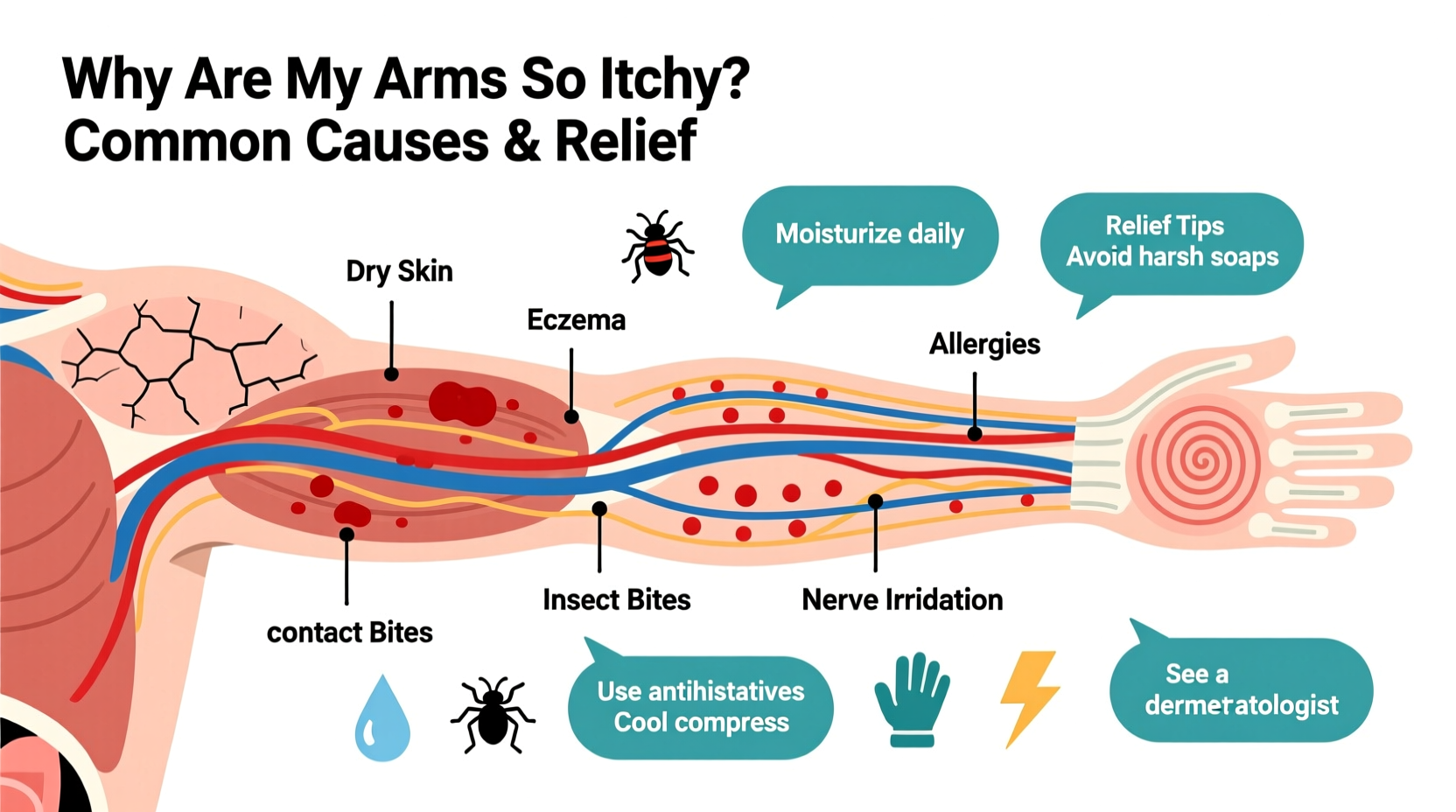
Dry skin, or xerosis, tops the list of reasons for itchy arms. It occurs when the skin loses too much moisture, often due to cold weather, low humidity, or excessive bathing with hot water. The arms—especially the outer forearms—are particularly vulnerable because they have fewer oil glands than other body parts.
When the skin barrier weakens, it becomes more sensitive to irritants and prone to inflammation. Symptoms include flaky, rough patches that feel tight or warm to the touch. In winter months, this condition worsens—a phenomenon commonly known as \"winter itch.\"
Allergic Reactions and Contact Dermatitis
Contact dermatitis occurs when the skin reacts to an allergen or irritant. Common triggers include laundry detergents, soaps, fragrances, metals (like nickel in jewelry), and certain fabrics such as wool. The reaction typically appears where the substance touched the skin, making the arms—frequently exposed to clothing, lotions, and environmental elements—a prime target.
Allergic reactions usually develop within hours or days of exposure and may present as redness, bumps, blisters, or intense itching. Unlike dry skin, contact dermatitis often has a distinct border corresponding to where the irritant made contact.
“Identifying and eliminating the offending agent is half the battle. Patch testing by a dermatologist can pinpoint specific allergens.” — Dr. Lena Torres, Board-Certified Dermatologist
Skin Conditions That Target the Arms
Beyond dryness and allergies, several chronic skin disorders frequently manifest on the arms:
- Eczema (Atopic Dermatitis): Characterized by inflamed, itchy patches, eczema often affects the inner elbows and upper arms. It’s linked to genetics and immune system overactivity.
- Psoriasis: An autoimmune condition causing thick, scaly plaques, commonly on elbows and forearms. The scales are typically silvery-white and may bleed if scratched.
- Keratosis Pilaris: Known as “chicken skin,” this harmless condition causes small, rough bumps on the back of the arms due to blocked hair follicles.
These conditions require consistent management rather than one-time fixes. Over-the-counter treatments may help mild cases, but moderate to severe forms often need prescription medications.
Environmental and Lifestyle Triggers
Modern living introduces numerous potential irritants. Harsh soaps, chlorinated water, synthetic fabrics, and pollution can all compromise skin integrity. Even seemingly benign habits contribute:
- Long, hot showers strip natural oils.
- Frequent handwashing dries out not just hands but lower arms.
- Wearing tight or abrasive clothing increases friction and irritation.
Seasonal changes also play a role. Air conditioning in summer and heating in winter reduce indoor humidity, accelerating moisture loss from the skin.
| Cause | Symptoms | Relief Strategy |
|---|---|---|
| Dry Skin | Flaking, tightness, mild redness | Hydrating creams, humidifiers, lukewarm showers |
| Contact Dermatitis | Red rash, blistering, localized itching | Avoid trigger, use hypoallergenic products |
| Eczema | Intense itching, cracked skin, oozing | Topical corticosteroids, fragrance-free skincare |
| Psoriasis | Thick silver scales, well-defined plaques | Prescription topicals, phototherapy |
| Insect Bites | Single or clustered bumps, swelling | Antihistamines, cold compresses |
Step-by-Step Guide to Soothing Itchy Arms
If you're experiencing persistent arm itching, follow this structured approach to identify and address the issue:
- Stop Scratching: As tempting as it is, scratching damages the skin barrier and can introduce infection. Keep nails short and consider wearing cotton gloves at night.
- Assess Recent Changes: Think about new soaps, detergents, clothing, or activities. Did you spend time outdoors? Could poison ivy or insect bites be involved?
- Take a Lukewarm Bath: Avoid hot water. Use colloidal oatmeal or baking soda to calm irritated skin.
- Apply a Moisturizer Immediately After Bathing: Choose a fragrance-free, ceramide-rich cream. Ointments like petroleum jelly are more effective than lotions.
- Use Over-the-Counter Treatments: Hydrocortisone cream (1%) can reduce inflammation from rashes or eczema. Oral antihistamines like cetirizine help control nighttime itching.
- Monitor for Improvement: If symptoms persist beyond 7–10 days, worsen, or spread, consult a healthcare provider.
- Seek Professional Diagnosis: For recurring or unexplained itching, see a dermatologist to rule out systemic issues like liver disease, kidney dysfunction, or thyroid disorders, which can cause generalized pruritus.
Real-Life Example: Sarah’s Story
Sarah, a 34-year-old teacher, noticed her arms becoming increasingly itchy every winter. She assumed it was dry skin and used lotion occasionally, but the problem worsened. Red, scaly patches developed on her elbows and forearms. After switching to a gentle, fragrance-free detergent and applying a thick emollient twice daily, her symptoms improved slightly—but not completely.
She visited a dermatologist, who diagnosed her with nummular eczema, a type of eczema that forms coin-shaped lesions. With a prescription-strength topical steroid and a strict moisturizing routine, Sarah regained control of her skin within three weeks. Her case highlights how self-diagnosis can delay proper treatment—even when some lifestyle changes help.
Prevention Checklist
To minimize future episodes of itchy arms, follow this actionable checklist:
- ✅ Use fragrance-free, hypoallergenic skincare products
- ✅ Limit showers to 5–10 minutes with lukewarm water
- ✅ Wear soft, breathable fabrics like cotton
- ✅ Install a humidifier during dry seasons
- ✅ Avoid known allergens (e.g., nickel, lanolin)
- ✅ Apply moisturizer daily, especially after washing hands or bathing
- ✅ Read labels on household cleaners and personal care items
- ✅ Protect arms from extreme temperatures and wind
Frequently Asked Questions
Can stress make my arms itch?
Yes. Stress activates the nervous system and can exacerbate existing skin conditions like eczema or psoriasis. It may also trigger neurogenic pruritus, where itching occurs without visible rash. Managing stress through mindfulness, exercise, or therapy can reduce flare-ups.
When should I see a doctor for itchy arms?
Consult a healthcare provider if the itching lasts more than two weeks without improvement, interferes with sleep, spreads rapidly, or is accompanied by other symptoms like fatigue, weight loss, or fever. These could indicate an internal condition requiring further investigation.
Are home remedies like apple cider vinegar effective?
While some people report relief using diluted apple cider vinegar, there's limited scientific evidence supporting its use. In fact, its acidity may irritate already-sensitive skin. Stick to proven treatments like ceramide-based moisturizers and medicated creams unless advised otherwise by a professional.
Conclusion: Take Control of Your Skin Health
Itchy arms are rarely life-threatening, but they can significantly impact quality of life. Whether caused by dryness, allergies, or a chronic skin condition, effective relief starts with understanding the underlying cause. Simple lifestyle adjustments—like choosing gentler products and maintaining hydration—can yield dramatic results. When symptoms persist, don’t hesitate to seek expert care. Healthy skin isn’t just about appearance; it’s a vital part of your overall well-being.




 浙公网安备
33010002000092号
浙公网安备
33010002000092号 浙B2-20120091-4
Comments
No comments yet. Why don't you start the discussion?