
It’s not uncommon for men to notice that their testicles feel colder than the rest of their body. While this sensation may seem odd or even concerning at first, it’s often a normal part of how the male reproductive system regulates temperature. The scrotum plays a vital role in maintaining optimal sperm production by adjusting its position and blood flow to keep the testes slightly cooler than core body temperature. However, persistent coldness, discomfort, or accompanying symptoms may indicate an underlying issue worth investigating.
Understanding why your testicles might feel cold—whether due to environmental factors, circulatory changes, or medical conditions—can help you determine when it's normal and when it's time to consult a healthcare provider.
Anatomy and Temperature Regulation
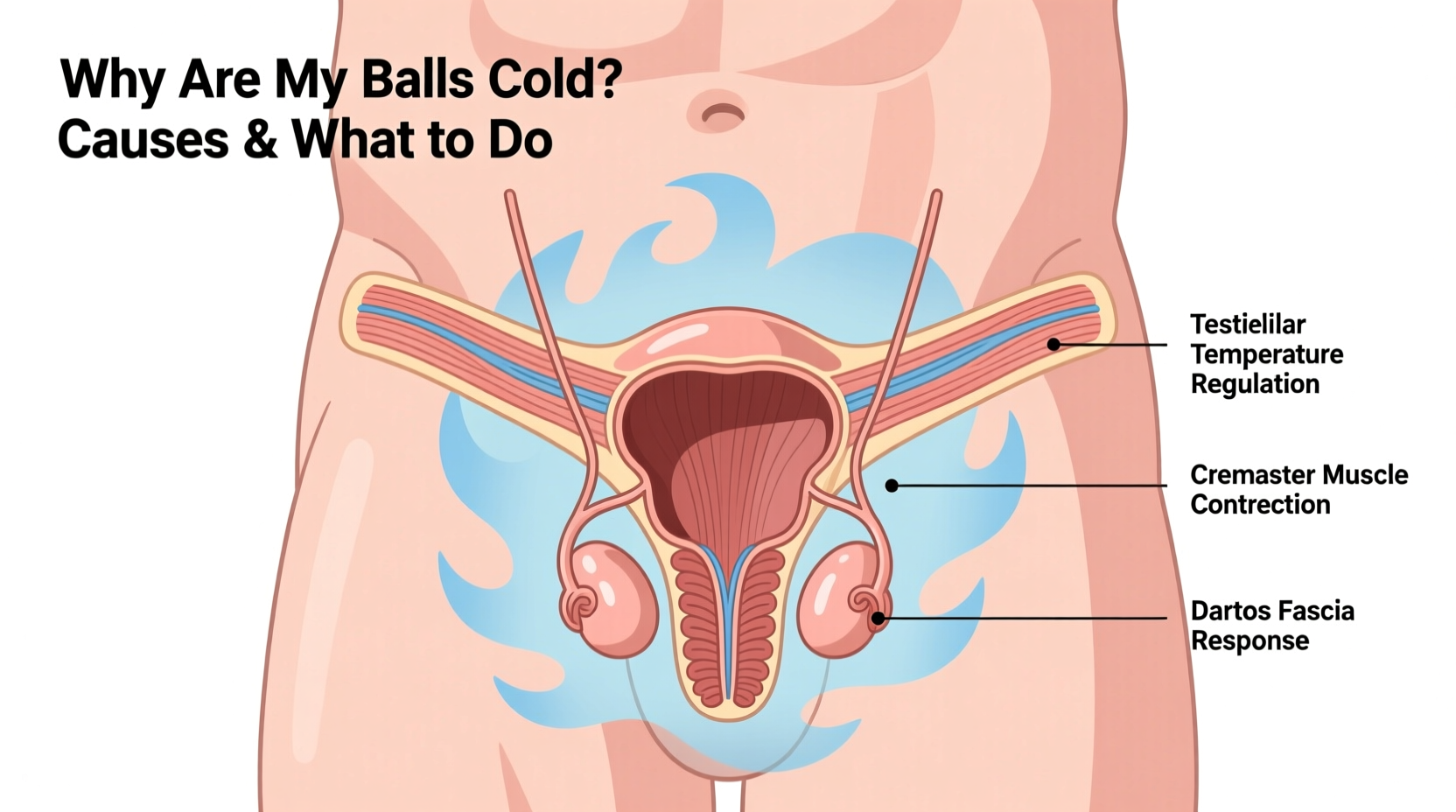
The human body maintains testicular temperature about 2–4°C (3.5–7°F) below core body temperature, which is essential for healthy sperm development. The scrotum acts as a natural thermostat, using muscles like the cremaster and dartos to raise or lower the testicles depending on ambient temperature.
- In cold environments, the scrotum contracts, pulling the testicles closer to the body to conserve heat.
- In warm conditions, it relaxes, allowing the testes to hang lower and dissipate excess heat.
This dynamic process explains why you might occasionally feel your testicles getting cooler—they’re simply doing their job. However, if they consistently feel abnormally cold—even in warm rooms—or are accompanied by pain, numbness, or discoloration, further evaluation may be necessary.
Common Causes of Cold Testicles
Several everyday factors can contribute to the sensation of cold testicles. Most are benign and easily addressed.
Environmental Exposure
Cold weather, air conditioning, or swimming in cool water can rapidly lower scrotal temperature. Tight clothing may restrict airflow but doesn’t always prevent cooling if external temperatures are low.
Vasoconstriction Due to Stress or Caffeine
Stress triggers the sympathetic nervous system, causing blood vessels to constrict—including those in the genital area. This reduced blood flow can make the testicles feel colder. Similarly, high caffeine intake or nicotine use can have vasoconstrictive effects.
Prolonged Sitting or Poor Posture
Sitting for long periods, especially with legs together or in tight pants, can compress blood vessels and reduce circulation to the groin. Office workers, drivers, and cyclists may notice this effect more frequently.
Low Body Fat or Reduced Insulation
Men with very low body fat may experience greater sensitivity to temperature changes in exposed areas like the scrotum, which lacks subcutaneous fat for insulation.
“Scrotal temperature fluctuation is normal, but persistent coldness with other symptoms should prompt a clinical check.” — Dr. Alan Pierce, Urologist, Cleveland Clinic
When Cold Testicles Signal a Health Concern
While occasional coldness is usually harmless, certain patterns warrant medical attention. Conditions affecting circulation, nerve function, or hormonal balance can manifest through abnormal scrotal sensations.
Poor Circulation (Peripheral Artery Disease)
Reduced blood flow to the extremities can extend to the genital region. Symptoms include cold limbs, weak pulses, fatigue during physical activity, and sometimes erectile dysfunction.
Nerve Damage (Neuropathy)
Diabetes, alcohol abuse, or spinal injuries can damage nerves responsible for sensing temperature and regulating blood flow. Neuropathy may cause unusual sensations such as persistent coldness, tingling, or numbness.
Hypogonadism or Hormonal Imbalance
Low testosterone levels can affect vascular tone and thermal regulation. Other signs include fatigue, reduced libido, muscle loss, and mood changes.
Varicocele or Hydrocele Complications
Although these conditions typically cause swelling or warmth, post-surgical changes or altered blood flow dynamics after treatment may lead to perceived coldness.
Autoimmune or Vascular Disorders
Rarely, conditions like Raynaud’s phenomenon—which causes episodic vasospasm in fingers and toes—can affect the scrotum. Known as “Raynaud’s of the scrotum,” this leads to sudden whitening, coldness, and numbness during cold exposure or stress.
| Cause | Typical Symptoms | Action Required |
|---|---|---|
| Normal thermoregulation | Intermittent coldness, no pain | None |
| Environmental exposure | Reversible with warming | Dress warmly |
| Vasoconstriction (stress/caffeine) | Coldness + anxiety/jitters | Reduce stimulants |
| Poor circulation | Cold limbs, fatigue, weak pulse | See doctor |
| Neuropathy | Numbness, tingling, burning | Medical evaluation |
| Hormonal imbalance | Fatigue, low libido, mood swings | Blood tests advised |
Step-by-Step: What to Do If Your Testicles Feel Chronically Cold
If cold testicles persist beyond typical environmental explanations, follow this structured approach to assess and address the issue.
- Monitor Patterns: Track when the coldness occurs—during stress, after caffeine, in cold settings—and note any associated symptoms like pain, swelling, or color changes.
- Adjust Lifestyle Factors: Reduce caffeine, quit smoking, avoid tight underwear, and stay warm in cold climates.
- Improve Circulation: Engage in regular cardiovascular exercise (e.g., brisk walking, cycling) to enhance blood flow throughout the body, including the pelvic region.
- Check for Other Symptoms: Look for signs of hormonal imbalance or neuropathy, such as unexplained weight gain, sexual dysfunction, or numbness elsewhere.
- Consult a Healthcare Provider: Schedule an appointment with a urologist or primary care physician. They may perform a physical exam, order blood work (testosterone, glucose), or conduct a Doppler ultrasound to assess blood flow.
Mini Case Study: John’s Experience with Persistent Scrotal Coldness
John, a 42-year-old software developer, began noticing that his testicles felt unusually cold, especially after long coding sessions. He initially dismissed it, assuming it was due to sitting in an air-conditioned office. Over time, however, he also experienced mild numbness and occasional erectile difficulties.
After reading about possible circulatory issues, John consulted a urologist. A Doppler ultrasound revealed mildly reduced blood flow in the iliac arteries, likely due to prolonged sitting and lack of exercise. His doctor recommended daily walks, ergonomic adjustments at work, and a cardiovascular screening. Within six weeks of lifestyle changes, John reported improved warmth and sensation in the area.
His case highlights how seemingly minor symptoms can point to broader circulatory health issues—especially in sedentary individuals.
Prevention and Daily Care Checklist
- Wear breathable, supportive underwear (cotton or moisture-wicking fabric)
- Avoid tight jeans or synthetic materials for extended periods
- Take breaks from sitting every hour; stand or stretch
- Limit caffeine and avoid tobacco
- Exercise regularly to support circulation
- Keep the groin dry and clean to prevent fungal infections that may alter skin sensation
- Use a warm (not hot) bath to soothe discomfort or improve blood flow
Frequently Asked Questions
Is it normal for one testicle to feel colder than the other?
Yes, slight asymmetry in temperature or position is common. The left testicle often hangs lower due to anatomical differences in blood supply, which may result in subtle variations in sensation. However, significant differences in size, texture, or persistent discomfort should be evaluated.
Can cold testicles affect fertility?
Not directly. In fact, cooler temperatures are necessary for sperm production. However, *abnormally* cold testicles due to poor circulation or nerve damage could indirectly impact reproductive health by altering blood flow or hormone levels. Fertility concerns should be discussed with a specialist.
Should I worry if my balls feel cold after ejaculation?
No. After orgasm, the cremaster muscle contracts as part of the body’s natural response, pulling the testicles upward. This can create a temporary sensation of coolness or tightness, which resolves within minutes.
Conclusion: Listen to Your Body, Take Action When Needed
Feeling cold testicles is usually a normal part of the body’s temperature control system. But when coldness becomes persistent, uncomfortable, or paired with other symptoms, it’s a signal worth taking seriously. Circulatory health, hormonal balance, and lifestyle habits all play roles in how your body regulates heat—and addressing them early can prevent complications down the line.
You don’t need to panic over every sensation, but neither should you ignore consistent changes. Small adjustments in clothing, movement, and diet can make a big difference. And when in doubt, professional medical insight provides clarity and peace of mind.




 浙公网安备
33010002000092号
浙公网安备
33010002000092号 浙B2-20120091-4
Comments
No comments yet. Why don't you start the discussion?