
A persistent squeak from your brakes while driving is more than just an annoyance—it's often a warning sign. While some brake noise is normal under certain conditions, consistent or loud squealing can indicate underlying problems that affect safety and performance. Understanding the root causes and knowing when to act can prevent costly repairs and ensure your vehicle remains reliable on the road.
Common Causes of Brake Squeaking
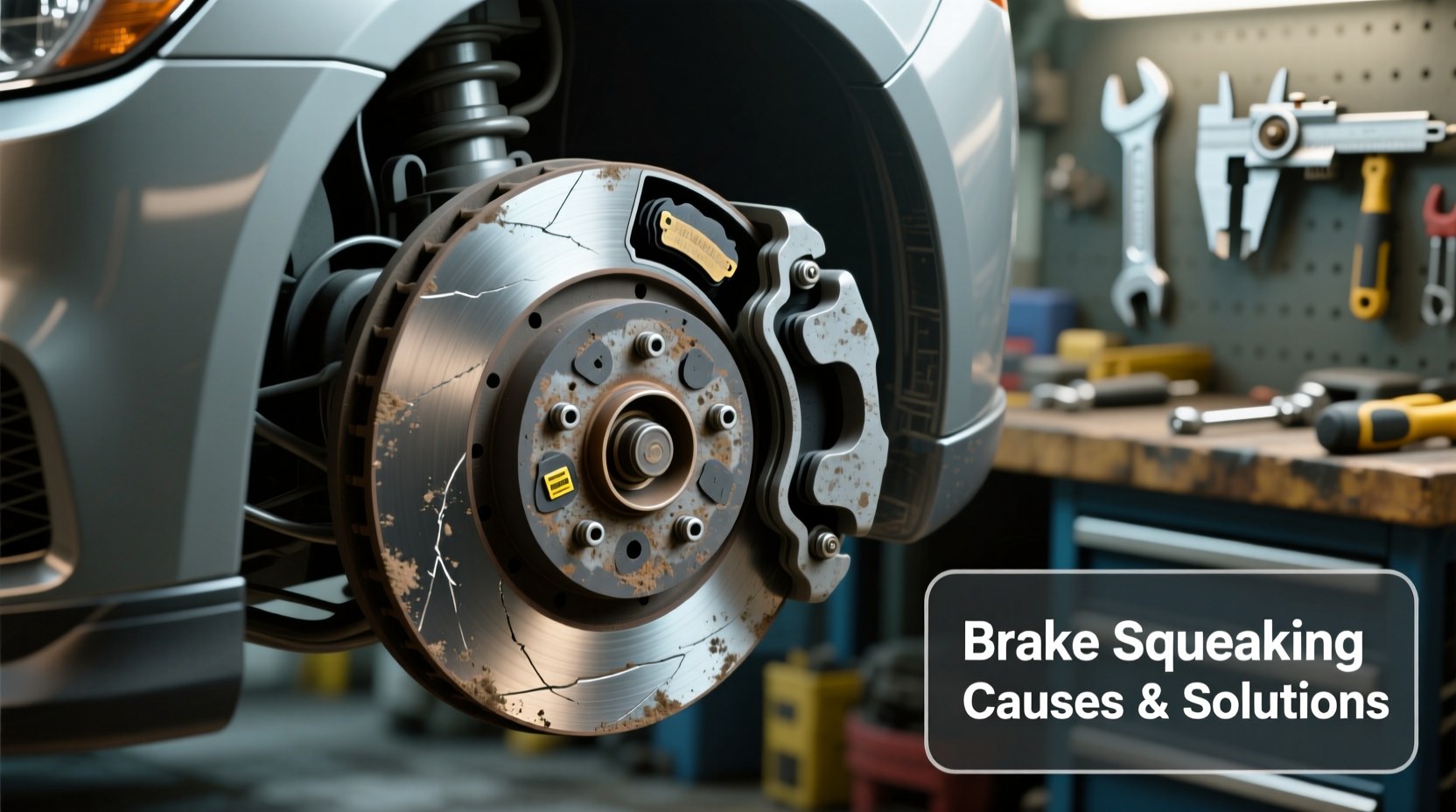
Brake systems are engineered for precision, but various factors can disrupt their smooth operation. The most frequent culprits behind squeaking noises include:
- Worn brake pads: Most brake pads have built-in wear indicators—small metal tabs that contact the rotor when pad material is low, producing a high-pitched squeal.
- Dust and debris buildup: Accumulated brake dust between the pad and rotor can create friction-induced noise.
- Cold or damp conditions: Moisture on rotors overnight can lead to surface rust, which causes temporary squeaking until heat from braking removes it.
- Glazed brake pads or rotors: Excessive heat can harden pad surfaces or smooth rotor finishes, reducing grip and increasing vibration and noise.
- Poor-quality or metallic brake pads: Some pads contain high levels of metal content for durability, but they tend to be noisier than ceramic alternatives.
- Lack of lubrication: Caliper pins, shims, or mounting hardware that aren’t properly lubricated can vibrate and generate squeaks.
“Any new or worsening brake noise should be taken seriously. It’s your car’s way of communicating a potential safety concern.” — Mark Reynolds, ASE-Certified Master Technician
Solutions to Stop Brake Squeaking
Not all brake squeaks require immediate replacement parts. Many issues can be resolved with inspection, maintenance, or minor adjustments. Here’s how to address each cause effectively:
Replace Worn Brake Pads
If your brake pads are below 3mm in thickness or the wear indicator is touching the rotor, replacement is necessary. Delaying this service risks damage to rotors and longer stopping distances.
Clean Brake Components
Removing accumulated dust and grime from pads, rotors, and calipers can eliminate noise caused by foreign particles. Use a brake-safe cleaner and a wire brush (if safe) to clean accessible areas without disassembling the entire system.
Apply Brake Lubricant
Use high-temperature brake grease on caliper slides, pins, and backing plates—not on friction surfaces. Proper lubrication reduces vibration and prevents sticking, both of which contribute to noise.
Upgrade to Quieter Brake Pads
Switching from semi-metallic to ceramic brake pads often eliminates squeaking. Ceramic pads produce less dust, operate more quietly, and dissipate heat efficiently, though they may cost slightly more.
Resurface or Replace Rotors
If rotors are glazed, warped, or unevenly worn, they won’t make full contact with the pads. This leads to pulsation, noise, and reduced braking efficiency. Machining (resurfacing) can restore flatness, but severely damaged rotors must be replaced.
Do’s and Don’ts of Brake Maintenance
| Do’s | Don’ts |
|---|---|
| Inspect brakes every 12,000 miles or annually | Ignore persistent squeaking or grinding sounds |
| Use OEM or high-quality aftermarket parts | Use regular grease instead of high-temp brake lubricant |
| Lubricate caliper hardware during pad replacement | Install brake pads without resetting wear sensors |
| Break in new pads properly with moderate stops | Drive aggressively right after brake service |
| Check for even pad wear across all wheels | Assume all brake noise is “normal” |
Step-by-Step Guide to Diagnosing Brake Squeak
Follow this practical sequence to identify and resolve the source of your brake noise:
- Listen carefully to the type of sound: Is it a high-pitched squeal, a grinding noise, or a rhythmic squeak? Squealing often points to pads; grinding suggests metal-on-metal contact.
- Note when the noise occurs: Does it happen only when starting, during light braking, or under heavy stops? Cold-start squeaks that disappear after a few minutes are usually harmless.
- Inspect visually (if possible): Look through the wheel spokes for visible pad wear, debris, or rotor scoring. Shine a flashlight if needed.
- Check dashboard warnings: If the brake warning light is on, especially with a squeak, it could mean low fluid, worn pads, or system failure.
- Test drive cautiously: Pay attention to pedal feel. A soft or vibrating pedal combined with noise requires immediate professional inspection.
- Schedule a professional brake inspection: A certified technician can measure pad thickness, check rotor condition, and test hydraulic components.
Real-World Example: A Preventable Repair
Sarah, a commuter in Portland, noticed a faint squeak every morning during her first few stops. She assumed it was due to rain and ignored it for three months. Eventually, the noise became constant and was accompanied by a shuddering brake pedal. Upon inspection, her mechanic found that the front brake pads were completely worn down, and the rotors had deep grooves from metal backing plates scraping against them.
The repair cost tripled what it would have been initially—new pads, resurfaced rotors, and labor. Had she addressed the early warning, a simple pad change would have sufficed. This case highlights how timely attention to minor symptoms prevents major mechanical issues.
When to Seek Professional Help
While DIY cleaning and lubrication can help, certain situations demand expert intervention:
- You hear grinding or scraping sounds
- The brake pedal feels spongy or sinks to the floor
- Vibration occurs during braking
- Brake warning lights illuminate
- Squeaking persists after basic maintenance
Brake systems involve hydraulics, sensors, and precise tolerances. Improper handling can compromise safety. Always consult a licensed mechanic if you're unsure.
FAQ
Is it safe to drive with squeaky brakes?
Occasional squeaking in wet or cold weather is generally safe. However, constant squealing, especially with reduced braking response, indicates worn components. Driving under these conditions increases the risk of brake failure and should be avoided.
Can I stop brake squeaking without replacing parts?
Sometimes yes. Cleaning the components, applying brake lubricant to contact points, and ensuring hardware is secure can resolve noise without part replacement. But if pads are worn or rotors damaged, new parts are essential.
How often should brakes be inspected?
Experts recommend a comprehensive brake inspection at least once a year or every 12,000 miles. Drivers in hilly areas or those who frequently carry heavy loads should consider more frequent checks.
Conclusion: Take Action Before It’s Too Late
Brake squeaking isn’t something to dismiss as “just the way my car sounds.” It’s feedback from a critical safety system. Whether the cause is simple dust buildup or advanced wear, addressing it promptly protects not only your vehicle but also everyone inside it.
Start by listening closely, noting patterns, and performing basic checks. Use the tips and checklist in this guide to stay proactive. If in doubt, trust a professional assessment over guesswork. Your brakes are too important to compromise.




 浙公网安备
33010002000092号
浙公网安备
33010002000092号 浙B2-20120091-4
Comments
No comments yet. Why don't you start the discussion?