
Cat owners often find themselves puzzled—or even amused—by their pets’ relentless pursuit of food. One moment your cat is grooming itself with royal detachment; the next, it’s meowing beside your plate, eyes wide and hopeful, as if you’ve been withholding a five-star meal for weeks. This insatiable appetite can seem excessive, even manipulative. But before labeling your cat as “greedy,” it’s important to understand that this behavior rarely stems from mere gluttony. Instead, it’s often rooted in evolutionary instincts, medical conditions, or environmental cues. Recognizing the difference between normal feline hunger and problematic overeating is key to ensuring your cat’s long-term health and well-being.
The Evolutionary Roots of Feline Feeding Behavior
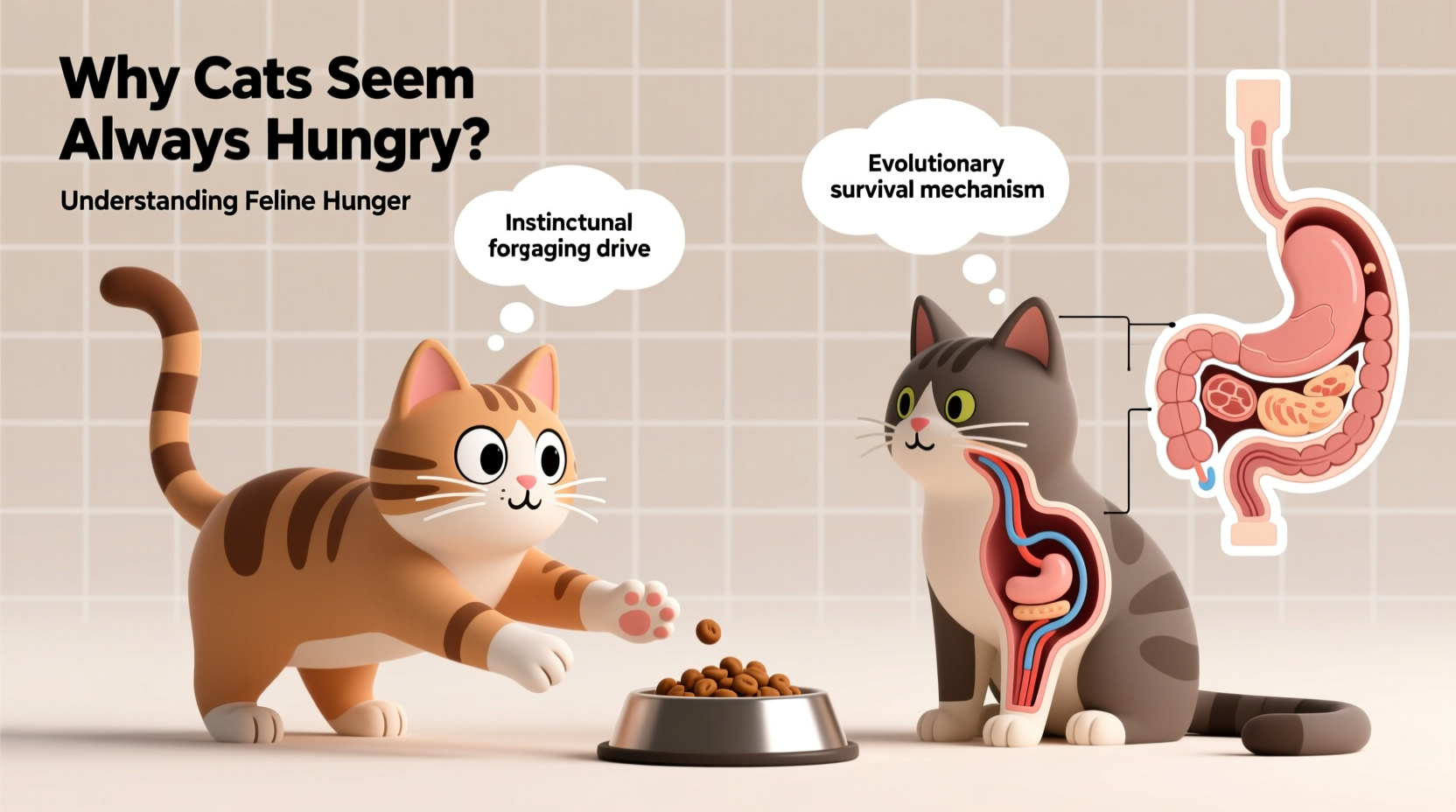
Cats are obligate carnivores, meaning their bodies require nutrients found almost exclusively in animal tissue. In the wild, their ancestors hunted small prey multiple times a day, consuming high-protein, low-carbohydrate meals in frequent bursts. This feeding pattern shaped their metabolism and satiety signals. Unlike humans or dogs, cats don’t have strong physiological mechanisms to regulate intake after a large meal. Their natural instinct is to eat frequently in small amounts—not to gorge once and fast for hours.
This biological wiring explains why many domestic cats appear “always hungry.” They’re not necessarily malnourished; they’re responding to an internal rhythm designed for survival in unpredictable environments. When food was scarce in the wild, eating whenever possible increased chances of survival. Today, that same instinct drives cats to beg, pace, or vocalize near food sources—even when they’ve just eaten.
“Cats evolved to hunt and consume multiple small meals throughout the day. What looks like greed is often just instinctual behavior.” — Dr. Linda Lopez, Feline Nutrition Specialist, American College of Veterinary Nutrition
Medical Causes Behind Excessive Appetite
While instinct plays a major role, sudden or extreme increases in appetite should never be dismissed as normal. Several medical conditions can cause polyphagia—the clinical term for excessive hunger—in cats:
- Hyperthyroidism: An overactive thyroid gland speeds up metabolism, leading to weight loss despite increased food intake.
- Diabetes mellitus: Insulin deficiency prevents cells from absorbing glucose, leaving the body starved for energy even when eating regularly.
- Intestinal parasites: Worms like roundworms or hookworms consume nutrients in the gut, causing malnutrition and persistent hunger.
- Exocrine pancreatic insufficiency (EPI): The pancreas fails to produce enough digestive enzymes, resulting in poor nutrient absorption.
- Neoplasia (cancer): Some tumors increase metabolic demand, driving higher caloric needs.
If your cat has recently become more food-motivated, especially alongside symptoms like weight loss, vomiting, diarrhea, or increased thirst and urination, a veterinary evaluation is essential. Blood tests, fecal exams, and physical assessments can rule out or diagnose underlying diseases.
Environmental and Behavioral Triggers
Not all cases of apparent greed are medical. Many stem from learned behaviors shaped by environment and routine. Cats are highly observant and quickly associate actions with outcomes. If begging at mealtime results in extra treats or attention, the behavior becomes reinforced. Over time, this turns into a conditioned response: meow → get food → repeat.
Other factors include:
- Free-feeding habits: Leaving food out all day may prevent cats from feeling fully satisfied, as they lack structured meal cues.
- Competition with other pets: In multi-cat homes, some cats eat rapidly out of fear another will steal their food.
- Boredom or anxiety: Lack of stimulation can lead to food-seeking as a form of entertainment or comfort.
- Poor diet quality: Diets high in fillers (like corn or soy) provide calories but lack satiating nutrients, leaving cats nutritionally unsatisfied.
Mini Case Study: Bella, the \"Always Hungry\" Tabby
Bella, a 4-year-old domestic shorthair, was brought to a veterinary behaviorist after her owner reported she “acted starving all the time.” Despite being fed measured portions twice daily, Bella followed her owner from room to room, cried loudly during meals, and even tried to eat dog food. A full workup revealed no medical issues. The turning point came when the vet asked about feeding routines—and discovered Bella’s owner often gave in to begging with treats.
The solution wasn’t medication, but behavior modification. The owner switched to timed feeders, introduced puzzle feeders for mental engagement, and stopped rewarding vocalizations with food. Within three weeks, Bella’s food-related anxiety decreased significantly. Her “greed” had been learned, not innate.
Practical Strategies to Manage Feline Hunger
Managing your cat’s appetite isn’t about restriction—it’s about alignment. Aligning feeding patterns with natural instincts while eliminating triggers that encourage overeating leads to healthier, more balanced behavior.
Step-by-Step Guide: Transitioning to Instinct-Supportive Feeding
- Consult your veterinarian to rule out medical causes of increased appetite.
- Switch to scheduled meals instead of free-feeding—aim for 3–5 small meals per day.
- Incorporate puzzle feeders or food-dispensing toys to mimic hunting effort and slow consumption.
- Evaluate current diet: Choose high-protein, low-carbohydrate foods with named meat sources as the first ingredients.
- Limit treats to under 10% of daily calories and avoid using them as responses to begging.
- Enrich the environment with play sessions, climbing structures, and window perches to reduce food-focused boredom.
| Feeding Approach | Benefits | Best For |
|---|---|---|
| Scheduled Meals (3x/day) | Regulates digestion, reduces anxiety around food scarcity | All cats, especially those who beg constantly |
| Puzzle Feeders | Engages natural hunting behavior, slows eating | Bored or overweight cats |
| High-Protein Wet Food | Promotes satiety, supports hydration | Cats prone to urinary issues or obesity |
| Treat-Free Boundaries | Breaks cycle of attention-seeking through food demands | Cats trained to beg |
Frequently Asked Questions
Is it normal for my cat to act hungry right after eating?
Yes, especially if meals are dry kibble-based or infrequent. Cats may finish quickly not because they're full, but because their satiety signals are delayed. Offering wet food or spreading intake across several mini-meals can help.
Can cats become obese from being greedy?
Absolutely. Chronic overeating, especially when combined with low activity and poor diet, leads to obesity—a risk factor for diabetes, arthritis, and liver disease. Monitoring portion sizes and body condition is crucial.
Should I let my cat eat whenever it wants?
Free-feeding is convenient but often counterproductive. It can disrupt natural hunger cues, promote overconsumption, and make it harder to detect changes in appetite. Controlled portions on a schedule support better metabolic health.
Action Plan Checklist
- ☑ Schedule a vet check-up to rule out medical causes
- ☑ Measure daily food portions based on weight and activity level
- ☑ Introduce two or more small meals between breakfast and bedtime
- ☑ Replace one bowl feeding with a puzzle feeder or interactive toy
- ☑ Remove access to other pets’ food and human snacks
- ☑ Track changes in weight, behavior, and begging frequency weekly
Conclusion: Reframing Greed as Communication
Your cat isn’t greedy—it’s communicating. Whether through biology, illness, or learned behavior, its constant food-seeking is a signal, not a flaw. By listening closely—assessing health, adjusting routines, and enriching life beyond the food bowl—you transform frustration into understanding. The goal isn’t to suppress appetite, but to meet your cat’s needs in a way that honors both its nature and its health. With patience and consistency, what once seemed like endless hunger can evolve into balanced, confident living—one mindful meal at a time.




 浙公网安备
33010002000092号
浙公网安备
33010002000092号 浙B2-20120091-4
Comments
No comments yet. Why don't you start the discussion?