
Numbness in the cheeks is more than just a passing odd sensation—it can be unsettling, especially when it appears without warning. While occasional tingling may not always signal a serious issue, persistent or recurring cheek numbness should never be ignored. The face is densely packed with nerves, blood vessels, and muscles, making it highly sensitive to changes in health. Understanding the underlying reasons behind facial numbness empowers you to respond appropriately, whether that means adjusting lifestyle habits or seeking urgent medical evaluation.
This article explores the most common and serious causes of cheek numbness, outlines diagnostic steps, and provides practical guidance on what actions to take—depending on severity, frequency, and accompanying symptoms.
Common Causes of Cheek Numbness
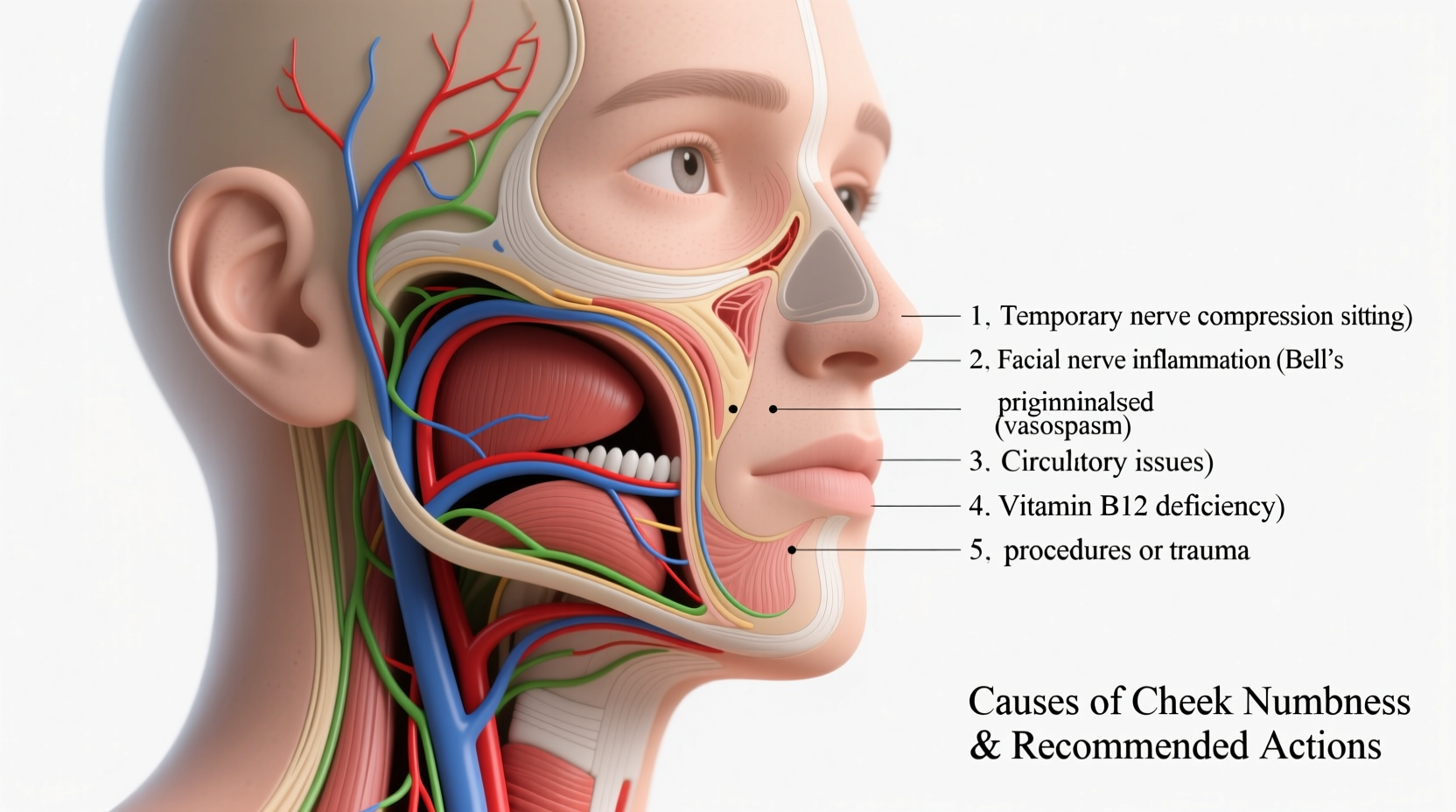
Cheek numbness typically stems from disruptions in the trigeminal nerve—the primary sensory nerve for the face—or reduced blood flow to facial tissues. These disruptions can arise from a range of conditions, some temporary and others requiring immediate attention.
- Dental Procedures: Numbness following tooth extraction, root canal therapy, or local anesthesia is common. The inferior alveolar nerve, which runs through the jaw, can be temporarily affected during treatment.
- Sinus Infections: Severe sinusitis, particularly involving the maxillary sinuses located beneath the cheeks, can exert pressure on facial nerves, leading to tingling or numbness.
- Facial Trauma: Injury to the jaw, cheekbone, or facial nerves due to accidents or surgery may result in localized numbness.
- Stress and Hyperventilation: Anxiety-induced rapid breathing alters carbon dioxide levels in the blood, potentially causing facial tingling or numbness, often around the mouth and cheeks.
- Vitamin Deficiencies: Low levels of B12, B6, or vitamin E can impair nerve function and lead to sensory disturbances, including facial numbness.
Serious Medical Conditions Linked to Facial Numbness
While many cases resolve on their own, cheek numbness can also be an early sign of significant neurological or systemic disorders. Recognizing red flags is crucial for timely intervention.
Stroke or Transient Ischemic Attack (TIA)
A sudden onset of facial numbness—especially on one side of the face—can signal a stroke or mini-stroke. This is often accompanied by slurred speech, arm weakness, confusion, or difficulty walking. Immediate medical attention is critical.
“Sudden facial drooping or numbness, even if it resolves quickly, warrants emergency evaluation. Time lost is brain lost.” — Dr. Alan Reyes, Neurologist at Boston General Hospital
Multiple Sclerosis (MS)
MS damages the protective covering of nerves, disrupting communication between the brain and body. Many patients report facial numbness as one of the first symptoms, sometimes described as a “band-like” sensation across the cheeks.
Trigeminal Neuralgia
This chronic pain condition affects the trigeminal nerve and can cause episodes of intense pain, but also periods of numbness or tingling in the cheek, jaw, or lips.
Diabetes and Peripheral Neuropathy
Prolonged high blood sugar levels damage nerves throughout the body. Though commonly associated with hands and feet, diabetic neuropathy can occasionally affect facial nerves.
Tumors or Lesions
Benign or malignant growths in the brain, skull base, or facial region can compress nerves responsible for facial sensation, leading to numbness. Symptoms often progress gradually.
Diagnostic Process: What to Expect
If cheek numbness persists or recurs, a healthcare provider will likely conduct a thorough assessment. Diagnosis begins with a detailed history and physical exam, focusing on:
- Onset and duration of numbness
- Unilateral or bilateral involvement
- Associated symptoms (e.g., headache, vision changes, weakness)
- Recent injuries, dental work, or illnesses
Depending on initial findings, further testing may include:
| Test | Purpose | What It Detects |
|---|---|---|
| MRI of the Brain | Detailed imaging of soft tissues | MS plaques, tumors, stroke damage |
| CT Scan | Bone and structural imaging | Sinus infections, fractures, masses |
| Blood Tests | Check metabolic and immune markers | Vitamin deficiencies, diabetes, autoimmune diseases |
| Nerve Conduction Study | Assess nerve function | Nerve damage or compression |
Step-by-Step Guide: What to Do When Your Cheeks Feel Numb
Not all instances of cheek numbness require an ER visit, but knowing how to respond ensures safety and faster recovery. Follow this timeline-based approach:
- Assess for Emergency Signs (Within Minutes): Check for facial drooping, slurred speech, limb weakness, or confusion. Use the FAST rule:
- Face drooping?
- Arm weakness?
- Speech difficulty?
- Time to call emergency services?
- Evaluate Timing and Triggers (Next Few Hours): Did the numbness follow dental work? A panic attack? A head injury? Documenting context helps doctors narrow causes.
- Monitor Duration (Next 24–48 Hours): Temporary numbness from stress or minor nerve irritation usually resolves within a day. Persistent symptoms warrant a doctor’s visit.
- Schedule a Medical Evaluation (Within 72 Hours): See your primary care physician or neurologist. Bring notes on symptom patterns, medications, and medical history.
- Follow Through on Testing and Treatment: Complete recommended imaging or blood work. Begin prescribed therapies such as vitamin supplements, anti-inflammatory drugs, or disease-specific management plans.
Mini Case Study: When Numbness Was a Warning Sign
Sarah, a 48-year-old teacher, noticed her right cheek felt “strangely dead” one morning. She initially dismissed it, assuming she’d slept awkwardly. But by afternoon, her speech became slightly slurred, and her right arm felt weak. Her husband recognized the signs of stroke and called 911.
At the hospital, an MRI revealed a small ischemic event in the brainstem—a TIA. Because she received treatment within three hours, Sarah made a full recovery with no lasting deficits. Her doctors emphasized that prompt action saved her from a major stroke.
Sarah now monitors her blood pressure closely, takes prescribed medication, and educates others about the importance of recognizing subtle neurological symptoms—even something as mild as cheek numbness.
Prevention and Daily Care Tips
While not all causes of cheek numbness are preventable, certain lifestyle adjustments reduce risk:
- Maintain stable blood sugar if you have diabetes.
- Manage stress through mindfulness, breathing exercises, or therapy.
- Ensure adequate intake of B vitamins through diet or supplements.
- Wear protective gear during sports to avoid facial trauma.
- Attend regular dental checkups to catch oral issues early.
Frequently Asked Questions
Can anxiety cause numbness in the cheeks?
Yes. During anxiety attacks or hyperventilation, rapid breathing reduces carbon dioxide in the blood, leading to tingling or numbness in the face, lips, and extremities. This is temporary and resolves once breathing normalizes.
Is cheek numbness after wisdom tooth removal normal?
Some numbness is expected after wisdom tooth extraction, especially if the procedure involved the lower molars. However, if sensation doesn’t return within 12–24 hours, contact your oral surgeon. Nerve bruising or stretching may require monitoring.
When should I worry about facial numbness?
Seek immediate care if numbness comes on suddenly, affects one side of the face, or is paired with dizziness, confusion, or trouble speaking. Chronic or recurring numbness also needs evaluation to rule out MS, tumors, or neuropathy.
Conclusion: Listen to Your Body, Act with Confidence
Cheek numbness might seem minor, but it can be a window into your neurological and overall health. Whether it's a fleeting response to stress or a symptom of a deeper condition, your response matters. Ignoring persistent changes increases risk; acting early improves outcomes.
Stay informed, track your symptoms, and don’t hesitate to consult a healthcare professional. Your face is connected to your brain—protecting one means protecting both.




 浙公网安备
33010002000092号
浙公网安备
33010002000092号 浙B2-20120091-4
Comments
No comments yet. Why don't you start the discussion?