
Facial redness, especially in the cheeks, is a common experience that affects people of all ages and skin types. While occasional flushing may be harmless, persistent or severe redness can signal underlying conditions. Understanding the reasons behind red cheeks—ranging from emotional responses to chronic skin disorders—is essential for knowing when to seek help. This guide explores the most frequent causes, identifies warning signs, and provides practical advice for managing and preventing unwanted redness.
Common Causes of Red Cheeks
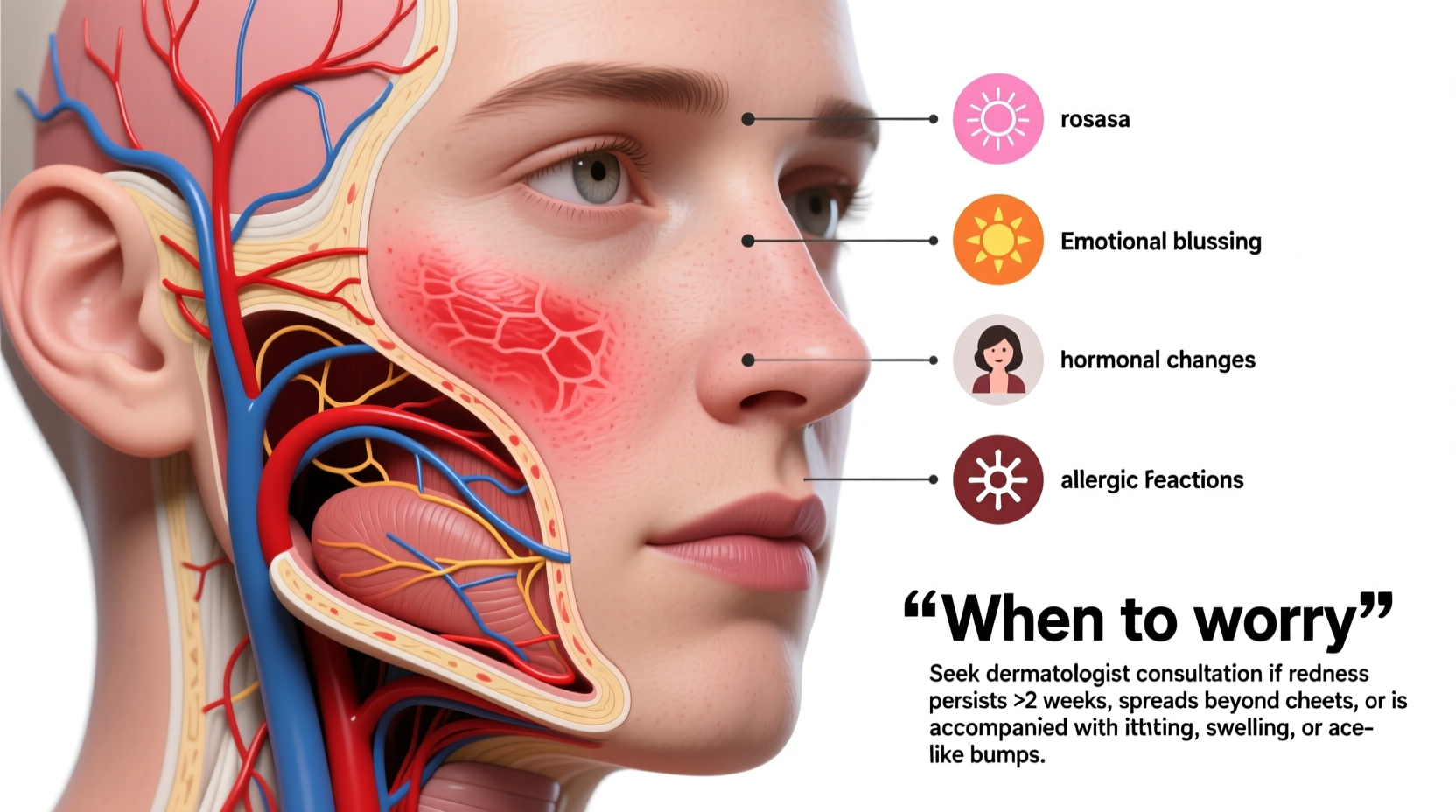
Red cheeks can stem from both internal and external factors. Some triggers are temporary and benign, while others point to deeper physiological issues. Recognizing the root cause is the first step toward effective management.
- Emotional Blushing: Feelings of embarrassment, anxiety, or excitement stimulate the nervous system, causing blood vessels in the face to dilate. This natural response leads to temporary redness, particularly in fair-skinned individuals.
- Temperature Changes: Exposure to cold wind or extreme heat can trigger facial flushing. In cold weather, blood rushes to the surface to warm the skin; in heat, it dilates to release body heat.
- Alcohol Consumption: Alcohol causes vasodilation—widening of blood vessels—which often results in flushed cheeks. Some people, particularly those of East Asian descent, have a genetic variation that impairs alcohol metabolism, leading to more pronounced flushing.
- Spicy Foods: Capsaicin in spicy foods activates nerve receptors that increase blood flow to the skin, producing a sensation of heat and visible redness.
- Skin Sensitivity: People with sensitive skin react strongly to environmental irritants like pollution, wind, or certain skincare ingredients such as alcohol, fragrances, or exfoliants.
Rosacea and Other Skin Conditions
When redness becomes recurrent or spreads beyond temporary flushing, it may indicate a chronic skin condition. The most common among these is rosacea—a long-term disorder affecting over 16 million Americans, according to the National Rosacea Society.
Rosacea typically appears between ages 30 and 50 and is more prevalent in women, though men often experience more severe symptoms. It begins with frequent blushing but can progress to persistent redness, visible blood vessels (telangiectasia), acne-like bumps, and even thickened skin on the nose (rhinophyma).
Other dermatological conditions linked to cheek redness include:
- Seborrheic Dermatitis: A condition causing flaky, red patches often around the nose and cheeks, sometimes mistaken for acne or dry skin.
- Eczema (Atopic Dermatitis): Common in children but also affects adults, eczema causes dry, itchy, inflamed skin that may appear red on lighter skin tones.
- Lupus: An autoimmune disease where a characteristic \"butterfly rash\" spans the cheeks and nose. Unlike rosacea, this rash is often sun-induced and flat rather than bumpy.
“Rosacea is frequently underdiagnosed because patients assume their redness is just part of their complexion. Early intervention prevents progression.” — Dr. Alicia Nguyen, Board-Certified Dermatologist
When to Worry: Warning Signs of Serious Conditions
Most cases of red cheeks are not dangerous, but certain symptoms should prompt medical evaluation. Persistent redness accompanied by other systemic signs may indicate health issues beyond the skin.
Seek professional advice if you notice any of the following:
- Redness that lasts for days without known triggers
- Burning, stinging, or painful sensations on the face
- Pimples or pustules appearing alongside redness (common in rosacea)
- Swelling, warmth, or fever suggesting infection
- A butterfly-shaped rash across both cheeks and the bridge of the nose, especially with joint pain or fatigue—possible lupus
- Sudden flushing episodes with rapid heartbeat, dizziness, or diarrhea—could indicate carcinoid syndrome, a rare neuroendocrine tumor
Table: Common Causes vs. When to Seek Help
| Cause | Symptoms | Action |
|---|---|---|
| Blushing | Temporary redness during stress or emotion | No treatment needed |
| Weather Exposure | Redness after cold/heat exposure, resolves quickly | Protect skin with barrier creams or clothing |
| Rosacea | Recurrent redness, visible veins, bumps | See dermatologist for diagnosis and treatment |
| Lupus Rash | Flat, red butterfly rash, joint pain, fatigue | Consult physician for autoimmune screening |
| Allergic Reaction | Itching, swelling, hives, possible breathing issues | Seek emergency care if severe |
Step-by-Step Guide to Managing Facial Redness
Whether your red cheeks are occasional or ongoing, taking proactive steps can reduce flare-ups and improve skin resilience. Follow this timeline-based approach to gain control over facial redness:
- Week 1: Identify Triggers
Keep a daily log of meals, activities, emotions, skincare routine, and weather. Note every episode of redness and its duration. - Week 2: Simplify Skincare
Switch to fragrance-free, non-comedogenic products. Avoid alcohol-based toners, scrubs, and hot water. Use lukewarm water and a gentle cleanser twice daily. - Week 3: Introduce Soothing Ingredients
Incorporate products with niacinamide, centella asiatica, green tea extract, or ceramides—known for calming inflammation and reinforcing the skin barrier. - Week 4: Protect Against Environment
Apply a mineral sunscreen (zinc oxide or titanium dioxide) every morning. Wear hats in strong sunlight and use a scarf in cold, windy conditions. - Ongoing: Monitor and Adjust
If no improvement after four weeks, consult a dermatologist. Prescription treatments like topical metronidazole, azelaic acid, or oral antibiotics may be necessary for conditions like rosacea.
Mini Case Study: Sarah’s Journey with Rosacea
Sarah, a 38-year-old teacher from Colorado, began noticing her cheeks turning red several times a week, especially after drinking coffee or teaching in a heated classroom. At first, she dismissed it as normal flushing. Over six months, the redness became constant, with small bumps appearing near her nose. She avoided social events, fearing others would judge her appearance.
After seeing a dermatologist, Sarah was diagnosed with papulopustular rosacea. She started using a prescription gel containing ivermectin and switched to a minimalist skincare routine. Within three months, her redness decreased significantly. By avoiding known triggers—spicy food, hot drinks, and intense exercise in heat—she regained confidence and resumed her active lifestyle.
Checklist: What You Can Do Today
To take immediate action against cheek redness, follow this checklist:
- ✅ Switch to a gentle, fragrance-free facial cleanser
- ✅ Apply broad-spectrum SPF 30+ every morning—even on cloudy days
- ✅ Avoid rubbing or scrubbing your face
- ✅ Replace hot showers with lukewarm ones
- ✅ Limit intake of alcohol and spicy foods temporarily to test sensitivity
- ✅ Schedule a dermatology appointment if redness persists beyond two weeks
Frequently Asked Questions
Can stress really make my cheeks red?
Yes. Stress activates the sympathetic nervous system, which increases blood flow to the face. Chronic stress can worsen conditions like rosacea by promoting inflammation and weakening the skin barrier.
Is redness always related to skin type?
Not necessarily. While fair-skinned individuals tend to show redness more visibly, people of all skin tones can experience inflammatory reactions. In darker skin, redness may appear more as purple, brown, or ashy tones, making it harder to detect.
Are there medications that cause facial flushing?
Yes. Certain drugs—including niacin (vitamin B3), some blood pressure medications (like calcium channel blockers), and topical retinoids—can induce flushing. Always discuss side effects with your doctor before discontinuing medication.
Conclusion: Take Control of Your Skin Health
Red cheeks are more than a cosmetic concern—they can impact self-esteem, social interactions, and overall well-being. While many causes are harmless and manageable through lifestyle adjustments, persistent or worsening redness deserves attention. With proper identification of triggers, consistent skincare, and timely medical consultation, most people can achieve calmer, healthier-looking skin.




 浙公网安备
33010002000092号
浙公网安备
33010002000092号 浙B2-20120091-4
Comments
No comments yet. Why don't you start the discussion?