
Dreadlocks are more than a hairstyle—they’re a lifestyle, an expression of identity, and often a long-term commitment. But when you notice your once-thick locs becoming thinner or weaker, it can be disheartening. Thinning dreads don’t always mean permanent damage, but they do signal that something in your hair care routine or lifestyle needs attention. Understanding the root causes and taking corrective action early can save your locs from irreversible breakage and help them thrive.
Understanding Dreadlock Thinning: What’s Really Happening?
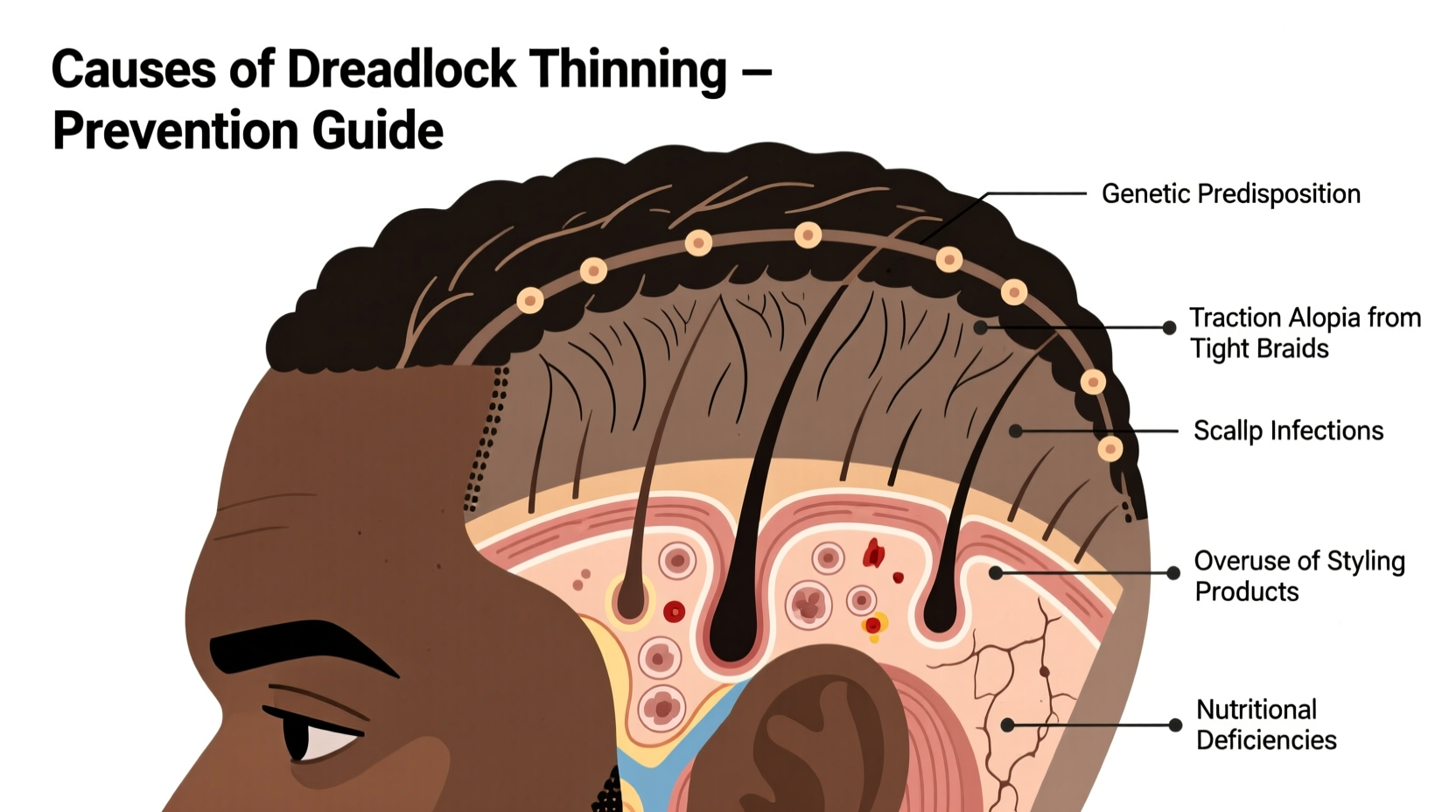
Thinning dreads typically result from weakened hair strands, excessive shedding, or poor maintenance. Unlike regular hair loss, which may stem from internal health issues, dread thinning is often due to mechanical stress, environmental exposure, or improper care. The loc structure itself—formed by matted and twisted hair—can mask early signs of damage until visible thinning occurs at the roots or along the shaft.
Each dread is made up of multiple hair strands bound together. When individual hairs break or shed excessively, the overall volume decreases. Over time, this leads to visibly thinner locs, especially near the scalp where new growth should be strongest. Recognizing the difference between natural shedding and abnormal thinning is crucial for timely intervention.
Common Causes of Dread Thinning
Several factors contribute to dread thinning. Some are within your control; others require lifestyle or medical adjustments. Identifying the cause is the first step toward effective prevention.
- Poor Maintenance Routine: Infrequent washing leads to buildup, while over-washing strips natural oils, both weakening the hair.
- Excessive Manipulation: Constant twisting, re-twisting, or palm rolling with too much tension damages the hair cuticle and stresses follicles.
- Using Harsh Products: Sulfates, alcohol-based sprays, and heavy waxes coat the hair, leading to dryness and brittleness.
- Nutritional Deficiencies: Lack of protein, iron, biotin, or vitamins A and E can impair hair strength and growth.
- Traction Alopecia: Tight styles, frequent extensions, or aggressive installation techniques pull on root hairs, causing gradual thinning at the hairline.
- Scalp Conditions: Seborrheic dermatitis, psoriasis, or fungal infections compromise the scalp environment needed for healthy growth.
- Dehydration and Environmental Stress: Chlorine, saltwater, UV exposure, and low humidity dry out locs, making them prone to splitting.
“Many clients come in alarmed about thinning dreads, only to realize their re-twist schedule is too aggressive. Hair needs rest just like skin.” — Jamal Reed, Master Loctician & Founder of Crown & Coil Studio
How to Prevent Dread Thinning: A Step-by-Step Guide
Prevention is always more effective than repair. Follow this structured approach to strengthen your dreads and promote sustained thickness.
- Assess Your Washing Frequency: Wash every 1–2 weeks with a residue-free shampoo. This removes buildup without overdrying.
- Use Scalp-Safe Products: Choose moisturizing sprays with aloe vera, jojoba oil, or glycerin. Avoid anything containing mineral oil or synthetic fragrances.
- Limit Re-Twisting: Allow 4–6 weeks between retightening sessions. Over-manipulation breaks down new growth.
- Protect at Night: Sleep on a satin pillowcase or wear a satin cap to reduce friction and moisture loss.
- Incorporate Deep Conditioning: Every 3–4 weeks, apply a light oil (like coconut or argan) to the scalp and mid-shaft, avoiding excess weight at the ends.
- Maintain a Balanced Diet: Include leafy greens, lean proteins, nuts, and eggs to support keratin production.
- Stay Hydrated: Drink at least 2 liters of water daily. Hydration impacts hair elasticity and resilience.
- Trim Split Ends: Carefully trim severely damaged tips to prevent unraveling and further breakage.
Do’s and Don’ts: Quick Reference Table
| Do’s | Don’ts |
|---|---|
| Wash with residue-free shampoo | Use waxy or sulfated products |
| Moisturize with natural oils weekly | Apply heavy butters directly to roots |
| Sleep on satin to reduce friction | Scratch scalp aggressively with nails |
| Wait 4+ weeks between re-twists | Retwist every 2 weeks or less |
| Eat protein-rich foods daily | Ignore persistent scalp itching or flaking |
Real Example: How Maria Saved Her Thinning Locs
Maria, a 32-year-old teacher from Atlanta, noticed her dreads were noticeably thinner around the crown after six months of monthly re-twists. She was using a popular wax-based gel to keep frizz down and washed her hair only once every three weeks due to a busy schedule. After consulting a loctician, she learned the wax had built up at her roots, suffocating her follicles, and the infrequent cleansing led to clogged pores.
She switched to a clarifying wash every two weeks, eliminated wax entirely, began using a lightweight aloe spray, and extended her re-twist interval to five weeks. Within three months, new growth appeared stronger, and her locs regained density. Her stylist noted improved scalp health and reduced shedding.
Frequently Asked Questions
Can thinning dreads grow back thicker?
Yes, if the thinning is due to external factors like product buildup or over-manipulation. Once corrected, healthy new growth will gradually restore volume. However, if follicle damage (e.g., scarring alopecia) has occurred, regrowth may be limited.
Is it normal to lose some hair with dreadlocks?
Some shedding is normal—hair goes through growth cycles. You may find loose hairs inside your dreads, which is fine. But if entire sections are unraveling or roots are balding, it’s a sign of excessive breakage needing attention.
Should I avoid swimming with dreads?
No, but protect them. Soak your locs with clean water before swimming to reduce chlorine absorption, then wash thoroughly afterward. Use a swim cap for extended exposure.
Essential Prevention Checklist
Use this checklist monthly to stay on track:
- ✅ Wash hair every 1–2 weeks with residue-free shampoo
- ✅ Moisturize scalp with non-greasy spray or oil
- ✅ Avoid wax-based styling products
- ✅ Protect locs at night with satin covering
- ✅ Wait at least 4 weeks between re-twists
- ✅ Eat balanced meals rich in protein and vitamins
- ✅ Check for signs of scalp irritation or excessive shedding
- ✅ Trim only severely damaged ends, not healthy locs
Final Thoughts: Take Control of Your Loc Health
Thinning dreads don’t have to be a permanent setback. With consistent, informed care, most cases can be reversed or prevented. Pay attention to how your scalp feels, how your locs respond to products, and how your lifestyle supports hair health. Small changes—like switching shampoos, adjusting your re-twist schedule, or improving hydration—can make a dramatic difference over time.
Your dreads are a reflection of your dedication. Treat them with the same respect you’d give any long-term investment: nurture them, protect them, and reassess regularly. The strength and fullness you want is possible—not through magic, but through mindful maintenance.




 浙公网安备
33010002000092号
浙公网安备
33010002000092号 浙B2-20120091-4
Comments
No comments yet. Why don't you start the discussion?