
Eggshell color has long fascinated backyard chicken keepers, farmers, and curious breakfast enthusiasts alike. If you’ve ever cracked open a carton only to find sky-blue eggs nestled among the whites and browns, you’re not alone in wondering: Why are my eggs blue? The answer lies in a blend of genetics, breed traits, and biological processes that determine shell pigmentation. Far from being artificially dyed or nutritionally different, blue eggshells are a natural phenomenon produced by specific chicken breeds. Understanding what causes this unique hue—and how it differs from brown, white, or green eggs—can deepen your appreciation for poultry biology and help inform your choices when raising or buying eggs.
The Science Behind Blue Eggshells
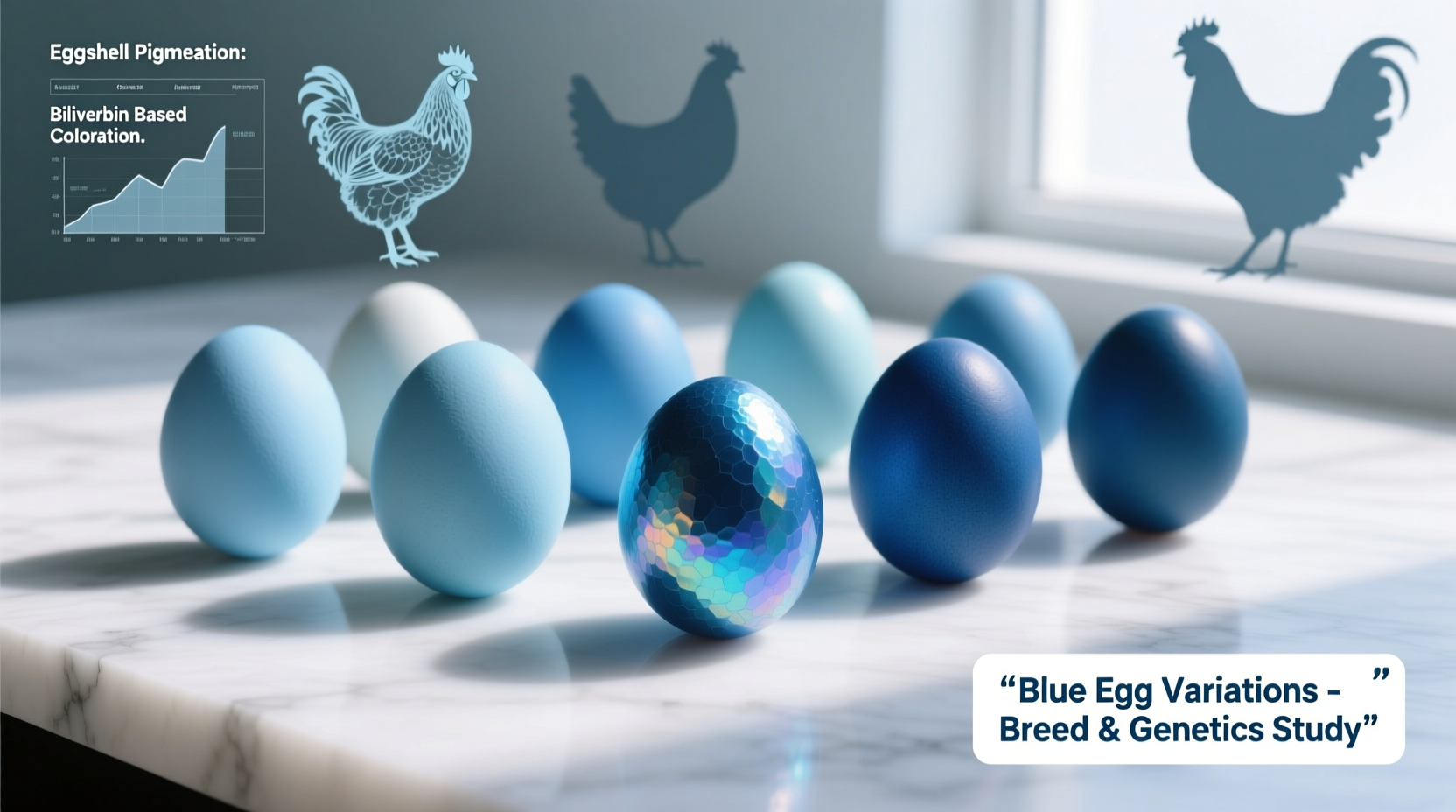
Eggshell color begins forming during the final hours of egg development in the hen’s oviduct. While all eggshells start with a calcium carbonate base—naturally white—the presence of pigments added during passage through the shell gland (also called the uterus) creates the visible color differences. Blue eggs owe their tint to a pigment called biliverdin, a derivative of hemoglobin that is deposited early in the calcification process. Unlike brown pigments, which are applied late and only coat the outer surface, biliverdin permeates the entire shell. This means that if you crack a blue egg, even the inside of the shell retains a bluish tint—a telltale sign of true blue genetics.
Biliverdin is also found in human bile and certain bird feathers, but in chickens, its production is linked to a retroviral DNA insertion on chromosome 1. This genetic mutation activates the gene responsible for pigment synthesis specifically in the shell gland. As a result, only certain breeds carry the dominant gene necessary to produce consistently blue eggs.
Chicken Breeds That Lay Blue Eggs
Not all hens can lay blue eggs—only those with specific genetic heritage. The most well-known blue-egg-laying breeds include:
- Araucana – Originating from Chile, these tufted, rumpless birds were among the first recognized producers of blue eggs. They carry the Oocyan gene naturally.
- Ameraucana – Developed in the U.S. from Araucana stock, Ameraucanas lay blue or slightly greenish eggs and are more standardized in appearance than their South American ancestors.
- Easter Egger – A hybrid breed resulting from crossing blue-egg layers with other breeds. Easter Eggers can lay blue, green, olive, or even pink-tinted eggs, depending on their genetic mix.
It's important to note that while Araucanas and Ameraucanas are purebred and recognized by poultry associations, Easter Eggers are not an official breed but rather a colloquial term for mixed-genotype chickens with colorful egg potential.
“Blue egg coloration is one of the most stable inherited traits in poultry. Once you have the gene, it expresses reliably across generations.” — Dr. Rebecca Sanderson, Avian Geneticist, University of Maine Poultry Lab
Do Eggshell Colors Affect Taste or Nutrition?
A common misconception is that blue eggs taste different or are more nutritious than white or brown ones. In reality, shell color has no impact on flavor, yolk color, or nutrient profile. These qualities are determined by the hen’s diet, age, living conditions, and overall health—not by the pigments in the shell.
For example, a blue-egg-laying hen fed a diet rich in flaxseed and greens may produce eggs with darker orange yolks high in omega-3s, but so would a brown-layer on the same feed. Similarly, stress, illness, or poor nutrition can lead to thinner shells or off-flavors regardless of color.
The belief that colored eggs are \"healthier\" often stems from marketing trends that associate specialty breeds with organic or free-range systems. However, commercially produced white eggs from healthy hens can be just as nutritious as backyard blue ones.
From Blue to Green: How Olive and Teal Eggs Are Formed
Some eggs appear green rather than blue. This occurs when a hen possesses both the blue egg gene and genes for brown pigment overlay. Since brown pigment (protoporphyrin) is deposited late in the shell formation process, it sits on top of the underlying blue layer, creating a green or olive effect.
Breeds like the Oliver Egger (a cross between Marans and Ameraucanas) or certain Favaucanas (Faverolles x Araucana) are known for laying olive-green eggs. The intensity of the green depends on how much brown pigment is applied—lighter coatings yield teal tones, while heavier layers create deep olive hues.
| Egg Color | Primary Pigment | Deposition Stage | Example Breeds |
|---|---|---|---|
| Blue | Biliverdin | Early (throughout shell) | Araucana, Ameraucana, Easter Egger |
| Brown | Protoporphyrin | Late (outer layer only) | Marans, Rhode Island Red, Plymouth Rock |
| White | None | N/A | Leghorn, Ancona, Polish |
| Olive/Green | Biliverdin + Protoporphyrin | Both stages | OE Hybrid, Favaucana, Isbar |
Practical Tips for Raising Blue-Egg Layers
If you're considering adding blue-egg-laying hens to your flock, here are key considerations to ensure success:
- Verify breed authenticity – Many hatcheries mislabel Easter Eggers as Ameraucanas. Check for breed-specific traits like muffs, beard, and tail feathers to confirm lineage.
- Monitor egg consistency – True blue-egg layers should produce uniformly colored eggs. Fading or spotting may indicate stress or crossbreeding.
- Isolate breeding stock – To maintain predictable egg colors in offspring, avoid mixing blue layers with strong brown-egg genetics unless aiming for green/olive variants.
- Ensure proper lighting and nutrition – Like all laying hens, blue-egg producers require 14–16 hours of light and balanced feed to sustain production.
- Keep records – Track individual hen output to identify consistent layers versus those that may stop laying due to age or environment.
Mini Case Study: A Backyard Flock’s Colorful Surprise
Sarah Thompson, a small-scale urban farmer in Portland, Oregon, purchased four pullets labeled as “rainbow layers” from a local farm supply store. Expecting variety, she was surprised when two began laying bright blue eggs, one laid light brown, and the fourth produced pale pinkish eggs. After consulting a poultry extension agent and reviewing breed characteristics, Sarah learned she had two Ameraucanas, one Barred Rock, and one Easter Egger with unusual genetics. She separated the blue layers for breeding purposes and now sells fertile Ameraucana eggs to neighbors interested in starting their own colorful flocks. Her experience highlights how misleading labeling can be—and why understanding genetics matters for predictable results.
Frequently Asked Questions
Can a chicken change the color of its eggs over time?
Generally, no. A hen’s egg color is genetically fixed. However, younger hens may lay slightly lighter or speckled eggs during their first few weeks of laying. Stress, illness, or parasites can also cause temporary discoloration or thinning, but the base color remains consistent.
Are blue eggs safe to eat?
Absolutely. Blue eggs are completely safe and nutritionally identical to eggs of other colors. The pigment is harmless and does not affect taste or edibility.
Why don’t commercial farms sell more blue eggs?
Mainstream egg production favors high-output breeds like White Leghorns, which lay large quantities of white eggs efficiently. Blue-egg layers typically produce fewer eggs per year, making them less economical for mass distribution. However, demand is growing in niche and farmers’ market channels.
Conclusion: Embrace the Hue, Understand the Science
The sight of blue eggs in your basket isn’t magic—it’s genetics in action. From the ancient Araucanas of South America to modern hybrid Easter Eggers, the blue egg gene offers a fascinating glimpse into avian biology and selective breeding. Whether you're a hobby farmer, a curious cook, or simply someone who enjoys a vibrant breakfast plate, understanding what drives eggshell color empowers you to make informed choices about sourcing, raising, and appreciating eggs beyond their appearance.




 浙公网安备
33010002000092号
浙公网安备
33010002000092号 浙B2-20120091-4
Comments
No comments yet. Why don't you start the discussion?