
Uneven eyebrow growth is a common concern that affects people of all ages and genders. Whether you've over-plucked in the past, noticed sudden asymmetry, or simply struggle with one brow appearing fuller than the other, understanding the root causes is the first step toward achieving symmetry. Eyebrows frame the face, influence expressions, and contribute significantly to overall appearance—so imbalance can be more than just cosmetic. The good news: most cases of uneven growth are temporary and correctable with consistent care, proper habits, and targeted strategies.
Understanding the Eyebrow Growth Cycle
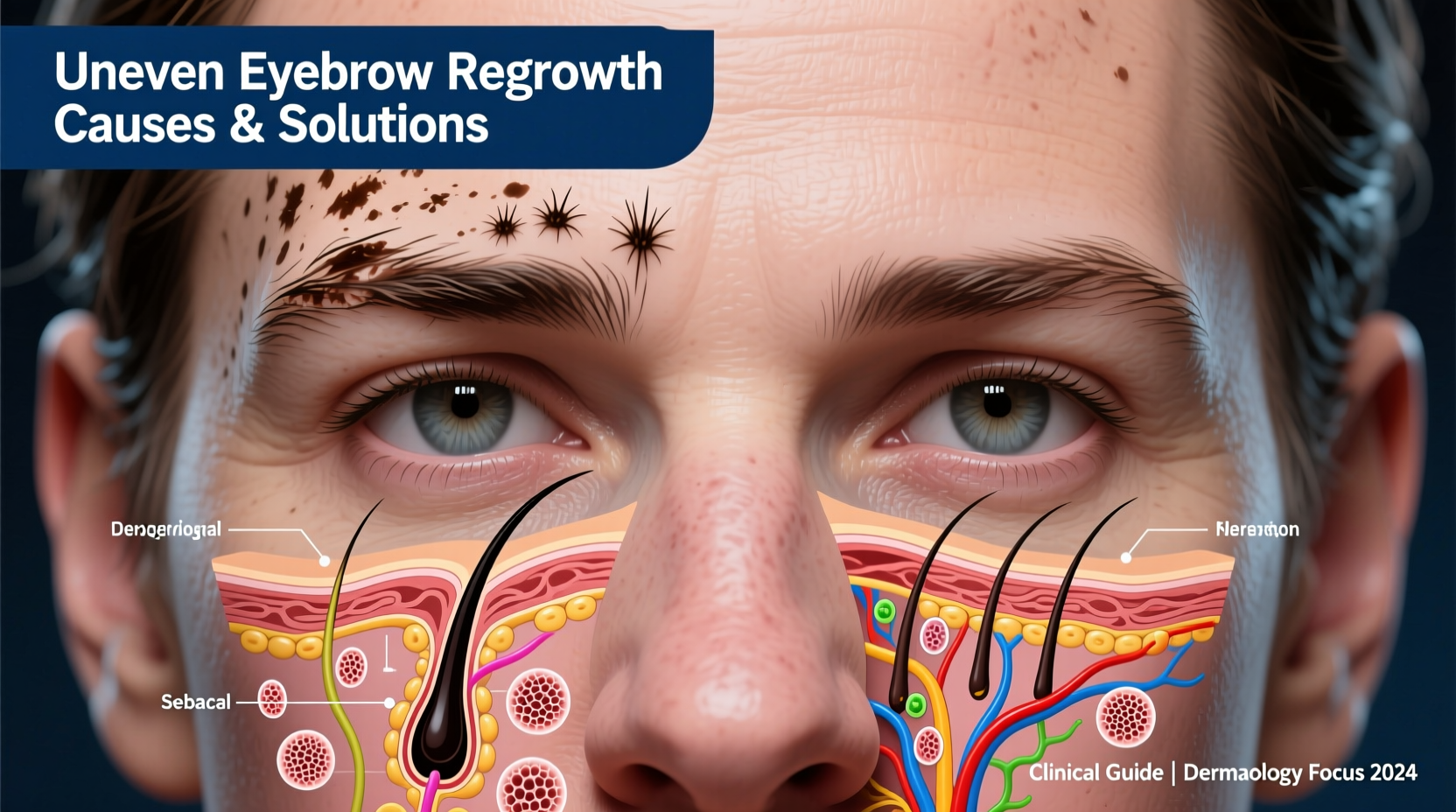
Eyebrow hair follows a natural growth cycle similar to scalp hair, but with key differences in duration and density. This cycle consists of three phases:
- Anagen (growth phase): Lasts 4–7 weeks, during which new hairs emerge from follicles.
- Catagen (transition phase): A short period (about 2–3 weeks) where growth stops and the follicle shrinks.
- Telogen (resting phase): Lasts up to 90 days; hairs remain in place but do not grow, eventually shedding naturally.
Unlike scalp hair, which can stay in the anagen phase for years, eyebrow hairs have a much shorter active growth window. This limited time means slower regrowth and less opportunity for full recovery after trauma like plucking or waxing. Moreover, each hair operates independently—some may be growing while others rest, leading to patchiness or apparent thinning on one side.
Common Causes of Uneven Eyebrow Growth
Several factors contribute to asymmetrical brows. Some are behavioral, others biological. Recognizing these can help tailor your approach to regrowth.
1. Over-Plucking or Trauma
Repetitive plucking, especially when done aggressively or frequently on one side, can damage hair follicles. This condition, known as traction alopecia, may lead to permanent thinning if not addressed early. Many people unconsciously favor one hand when grooming, resulting in more removal on the opposite brow.
2. Facial Asymmetry
Natural facial asymmetry is normal—no face is perfectly symmetrical. One eyebrow arch may sit higher, or one side may have sparser natural coverage. This isn’t a flaw, but it can make regrowth appear uneven even when both sides are growing at the same rate.
3. Hormonal Imbalances
Hormones like thyroid hormones, estrogen, and testosterone play critical roles in hair growth. Hypothyroidism, polycystic ovary syndrome (PCOS), or postpartum hormonal shifts can cause diffuse thinning, often noticed first in the outer third of the brows.
4. Nutritional Deficiencies
Lack of essential nutrients such as iron, zinc, biotin, vitamin D, and protein can impair keratin production and weaken hair structure. These deficiencies often manifest in slow or patchy regrowth.
5. Skin Conditions
Dermatological issues like seborrheic dermatitis, psoriasis, or eczema around the brow area can inflame follicles and hinder growth. Scratching or irritation from flaky skin further exacerbates the problem.
6. Medications and Medical Treatments
Chemotherapy, retinoids, blood thinners, and certain antidepressants are known to affect hair cycles. If you’ve recently started a new medication, consult your doctor about potential side effects.
“Eyebrow asymmetry is rarely a medical emergency, but persistent unilateral thinning should prompt evaluation for underlying endocrine or autoimmune conditions.” — Dr. Lena Torres, Board-Certified Dermatologist
How to Encourage Balanced Eyebrow Regrowth
Restoring symmetry requires patience, consistency, and a multifaceted strategy. Below are proven methods to support healthier, more even regrowth.
1. Cease Mechanical Damage
Stop tweezing, waxing, threading, or shaving your eyebrows completely for at least 8–12 weeks. This allows the natural growth cycle to reset without interference. Use a brow pencil or powder only for temporary shaping during this period.
2. Apply Growth-Supportive Serums
Bimatoprost (the active ingredient in prescription Latisse) is FDA-approved for eyelash growth and has been used off-label for eyebrows. Clinical studies show visible improvement in thickness and length within 8–16 weeks. Over-the-counter alternatives include serums with peptides, prostaglandin analogs, or botanical extracts like castor oil and rosemary oil.
| Product Type | Active Ingredients | Expected Results | Timeframe |
|---|---|---|---|
| Prescription Serum | Bimatoprost | Significant thickening, longer hairs | 8–16 weeks |
| OTC Peptide Serum | Myristoyl Pentapeptide-17 | Moderate improvement in density | 12–20 weeks |
| Natural Oils | Rosemary, Castor, Coconut Oil | Mild stimulation, improved texture | Variable, 3+ months |
3. Optimize Nutrition
Skin and hair health begin internally. Focus on foods rich in:
- Iron: Spinach, lentils, red meat (prevents anemia-related shedding)
- Zinc: Pumpkin seeds, oysters, chickpeas (supports follicle function)
- Biotin: Eggs, almonds, sweet potatoes (aids keratin synthesis)
- Omega-3s: Salmon, chia seeds, walnuts (reduces inflammation)
- Vitamin D: Sunlight, fortified dairy, supplements (linked to hair cycling)
4. Massage for Circulation
Gentle daily massage stimulates blood flow to follicles, delivering oxygen and nutrients. Use fingertips to apply light pressure along the brow bone in circular motions for 1–2 minutes per side. This also helps distribute natural oils and prevents clogged follicles.
5. Address Underlying Health Issues
If regrowth remains stalled despite lifestyle changes, consult a healthcare provider. Blood tests for thyroid function (TSH, T3, T4), ferritin (iron stores), and vitamin D levels can identify silent contributors to poor growth.
Step-by-Step Guide to Achieve Symmetrical Brows
Follow this 12-week timeline to promote balanced regrowth:
- Week 1–2: Stop All Hair Removal
Allow existing hairs to grow undisturbed. Take a “before” photo to track progress. - Week 3–4: Begin Serum Application
Start using a clinically tested eyebrow serum nightly. Cleanse the area before application. - Week 5–6: Introduce Daily Massage
Add a 2-minute massage routine each evening to boost circulation. - Week 7–8: Evaluate Diet & Supplements
Incorporate nutrient-dense foods or begin supplementation based on blood work or dietary gaps. - Week 9–12: Monitor Progress & Adjust
Compare weekly photos. If one side lags, gently redirect growth with a spoolie brush. Continue treatment until desired fullness is achieved.
“Regrowth isn’t linear. You might see one side improve faster due to better blood supply or less prior trauma. Consistency beats speed.” — Dr. Amir Chen, Trichology Specialist
Mini Case Study: Rebuilding After Over-Plucking
Sophia, a 28-year-old graphic designer, had been shaping her brows since her teens. By age 25, she noticed the left brow was barely visible compared to the right. She consulted a dermatologist who diagnosed mild traction alopecia and recommended a 16-week protocol: discontinuing plucking, applying bimatoprost nightly, taking a biotin-zinc supplement, and massaging twice daily.
After 12 weeks, Sophia observed new vellus (fine, light) hairs emerging along the tail of the left brow. By week 16, density improved by nearly 60%, and with microblading for final refinement, she regained confidence in her natural shape. Her experience underscores that even long-term damage can be partially reversed with targeted intervention.
Checklist: Your Action Plan for Even Eyebrow Regrowth
- ✅ Stop tweezing, waxing, or threading for at least 3 months
- ✅ Choose a growth serum with proven ingredients (bimatoprost or peptides)
- ✅ Apply serum once daily to clean, dry brows
- ✅ Perform a 2-minute brow massage every evening
- ✅ Eat a balanced diet rich in iron, zinc, biotin, and omega-3s
- ✅ Consider a blood test if no improvement in 12 weeks
- ✅ Take weekly photos to monitor subtle changes
- ✅ Be patient—full results take 3–6 months
Frequently Asked Questions
Can uneven brows grow back evenly?
Yes, in most cases. As long as the hair follicles are intact, consistent care and elimination of damaging habits allow both brows to regrow symmetrically over time. However, genetic or structural asymmetry may always result in slight differences.
Is castor oil effective for eyebrow growth?
While scientific evidence is limited, many users report thicker, darker brows with regular use. Castor oil’s ricinoleic acid may reduce inflammation and improve circulation. It won’t stimulate new growth in scarred areas but can enhance the health of existing hairs.
How long does it take for eyebrows to grow back evenly?
Visible improvement typically appears within 8–12 weeks, but full, balanced regrowth may take 4–6 months. Factors like age, genetics, and prior damage influence the timeline. Patience and consistency are essential.
Conclusion: Embrace the Process, Restore Balance
Uneven eyebrow growth is rarely permanent and often rooted in habits rather than irreversible conditions. By understanding the biology behind hair cycles, eliminating damaging practices, and supporting regrowth through nutrition, topical treatments, and self-care, you can achieve visibly fuller, more balanced brows. Remember, symmetry doesn’t mean perfection—natural variation is part of human beauty. What matters most is creating a sustainable routine that honors your body’s healing pace.




 浙公网安备
33010002000092号
浙公网安备
33010002000092号 浙B2-20120091-4
Comments
No comments yet. Why don't you start the discussion?