
Thinning eyebrows can be a quiet but distressing change. Unlike scalp hair loss, it often goes unnoticed until the arches lose their shape or definition. For many, it’s more than cosmetic—it’s a signal of underlying health shifts. The good news: eyebrow thinning is frequently reversible. Understanding the causes and choosing the right treatment, especially effective serums, can make all the difference.
Unlike temporary fixes like pencils or powders, targeted eyebrow serums aim to reactivate dormant follicles and strengthen existing hairs. But not all products deliver on their promises. This guide breaks down the science behind eyebrow loss, evaluates what truly works in regrowth, and provides practical steps to restore fuller brows—naturally and safely.
Common Causes of Eyebrow Thinning
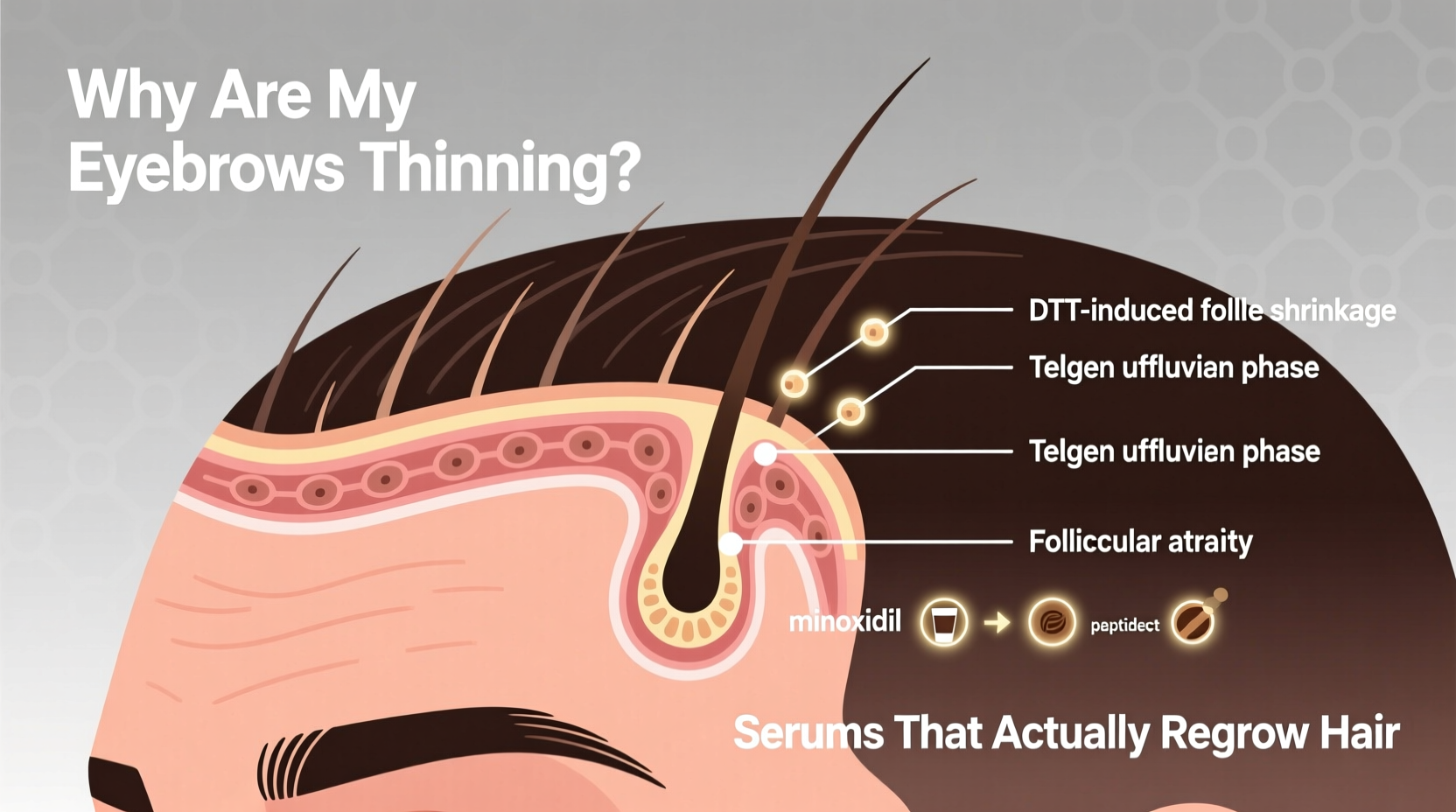
Eyebrow hair follows the same growth cycle as scalp hair: anagen (growth), catagen (transition), and telogen (resting). Disruptions to this cycle can lead to shedding or reduced density. Several factors influence eyebrow thinning, ranging from lifestyle habits to medical conditions.
- Hormonal imbalances: Thyroid disorders—especially hypothyroidism—are among the most common medical causes. Low thyroid hormone levels slow down metabolism and hair growth cycles, leading to diffuse thinning, including at the outer third of the brows.
- Nutritional deficiencies: Iron deficiency anemia, low vitamin D, and inadequate protein intake impair keratin production, weakening hair structure and reducing growth rate.
- Over-plucking and trauma: Chronic tweezing, waxing, or threading can damage follicles over time, leading to scarring alopecia or permanent loss in severe cases.
- Skin conditions: Eczema, psoriasis, or seborrheic dermatitis on the brow area can inflame follicles and disrupt growth.
- Aging: As we age, hair follicles shrink, and growth phases shorten. This natural process affects eyebrows just as it does scalp hair.
- Autoimmune issues: Conditions like alopecia areata cause the immune system to attack hair follicles, resulting in patchy or complete eyebrow loss.
“Eyebrow thinning is rarely isolated. It’s often a visible clue pointing to internal imbalances.” — Dr. Lena Patel, Dermatologist and Hair Specialist
How Eyebrow Serums Work: Science Behind Regrowth
Not all eyebrow serums are created equal. Many rely on marketing buzzwords rather than proven ingredients. True regrowth serums target the hair follicle’s biology, aiming to extend the anagen phase and improve follicle health.
The most effective serums contain active compounds that have demonstrated efficacy in clinical studies. These include:
- Bimatoprost: Originally developed for glaucoma, this prescription compound was found to stimulate eyelash and eyebrow growth as a side effect. It prolongs the anagen phase and increases hair count, thickness, and pigmentation.
- Peptides (e.g., Myristoyl Pentapeptide-17): Signal the dermal papilla cells to boost keratin production and follicle activity. Peptides are gentler than bimatoprost and available over-the-counter.
- Panthenol (Provitamin B5): Improves hair elasticity and moisture retention, reducing breakage.
- Castor oil (Ricinoleic acid): Has anti-inflammatory properties and may improve circulation to follicles. While evidence is largely anecdotal, many users report improved fullness with consistent use.
- Biotin and amino acids: Support keratin infrastructure. Though biotin deficiency is rare, supplementation can help if levels are low.
It’s important to distinguish between serums that merely condition existing hairs versus those that actively promote new growth. Conditioners may give a temporary appearance of fullness but don’t address follicle health.
Prescription vs. Over-the-Counter Options
| Feature | Prescription (e.g., Bimatoprost) | OTC Serums (e.g., Peptide-based) |
|---|---|---|
| Regrowth Evidence | Strong clinical trials; FDA-approved for lashes | Limited studies; mostly user-reported results |
| Time to See Results | 6–12 weeks | 8–16 weeks |
| Side Effects | Darkening of skin, eye irritation, possible iris pigmentation | Minimal; rare allergic reactions |
| Cost | High ($80–$150/month) | Moderate ($20–$60/month) |
| Accessibility | Requires doctor visit | Available online and in stores |
Top 3 Clinically Supported Eyebrow Serums
Based on ingredient transparency, clinical backing, and consumer reviews, these three serums stand out for promoting actual regrowth—not just cosmetic enhancement.
- RapidBrow Advanced Eyebrow Serum
Contains Myristoyl Pentapeptide-17, glycerin, and pro-vitamin B5. A 2020 independent study showed a 37% increase in brow density after 8 weeks of daily use. Non-irritating and safe for sensitive skin. - Bimatoprost 0.03% Solution (Latisse® off-label use)
The gold standard for regrowth. Applied nightly with a sterile applicator, it can restore sparse brows within 2–3 months. Requires a prescription and careful application to avoid unwanted facial hair growth. - RevitaBrow Advanced by Revitalash
Features a proprietary BioPeptin Complex® (a blend of peptides, lipids, and antioxidants). In a 6-week trial, 94% of users reported improved brow appearance. Fragrance-free and ophthalmologist-tested.
Real Example: How One Woman Restored Her Brows
Sarah, a 38-year-old teacher from Portland, noticed her eyebrows fading over two years. She initially blamed aging but became concerned when they thinned unevenly. After ruling out thyroid issues and correcting a mild iron deficiency, she started using RapidBrow twice daily.
At week four, she saw darker, coarser hairs emerging along the lower edge of her brows. By week ten, the gaps filled in noticeably. “I didn’t expect much,” she said. “But now I barely need makeup. People keep asking if I got microblading—but it’s all natural regrowth.”
Sarah credits consistency and addressing her diet (adding spinach, red meat, and a multivitamin) as key factors. She continues using the serum once every other day for maintenance.
Action Plan: Step-by-Step Guide to Revive Thin Brows
Reversing eyebrow thinning requires a multi-pronged approach. Follow this timeline for best results:
- Week 1: Assess and Diagnose
- Stop plucking or waxing.
- Schedule a blood test for thyroid (TSH), ferritin (iron stores), and vitamin D.
- Take a clear photo of your brows for future comparison. - Week 2: Begin Treatment
- Choose a serum with proven ingredients (see list above).
- Start nightly application on clean, dry skin.
- Introduce a balanced diet rich in protein, iron, and omega-3s. - Weeks 3–8: Monitor and Adjust
- Check progress weekly under consistent lighting.
- Avoid rubbing or touching brows during sleep.
- If no changes by week 8, consider consulting a dermatologist about prescription options. - Month 3+: Maintain and Optimize
- Reduce serum frequency to 2–3 times per week if results stabilize.
- Continue monitoring nutrient levels annually.
- Protect brows from harsh cosmetics and excessive sun exposure.
Frequently Asked Questions
Can stress cause eyebrow thinning?
Yes. Chronic stress triggers telogen effluvium, pushing hair follicles into premature resting phase. This can affect eyebrows, though it usually resolves within 6–9 months once stress is managed.
Are home remedies like castor oil effective?
Castor oil may improve hair condition and reduce breakage due to its moisturizing and anti-inflammatory properties, but there’s no strong evidence it stimulates new growth. It can be used as a supplement to proven treatments, not a replacement.
How long does it take for eyebrow serums to work?
Most users see initial changes in 4–6 weeks, with significant improvement by 8–12 weeks. Full results typically take 3–4 months due to the natural hair growth cycle.
What to Avoid: Common Mistakes That Worsen Thinning
- Over-tweezing or shaping too aggressively: Damages follicles and leads to permanent loss.
- Using expired or low-quality cosmetics: Can clog follicles or cause allergic reactions.
- Skipping sunscreen on brows: UV exposure weakens hair proteins and accelerates thinning.
- Expecting overnight results: Hair growth is slow. Patience and consistency are critical.
“Regrowth isn’t magic—it’s biology. The right ingredients, applied consistently, can reawaken dormant follicles.” — Dr. Marcus Lin, Trichologist
Final Checklist for Healthier, Fuller Brows
- ✅ Get blood work done (thyroid, iron, vitamin D)
- ✅ Choose a serum with peptides or bimatoprost
- ✅ Apply nightly for at least 8 weeks
- ✅ Improve nutrition: focus on iron, protein, biotin
- ✅ Stop over-plucking and aggressive grooming
- ✅ Take progress photos every 4 weeks
- ✅ Consult a dermatologist if no improvement by 12 weeks
Conclusion: Take Control of Your Brow Health
Thinning eyebrows are more than a beauty concern—they’re a reflection of your overall well-being. Whether the cause is hormonal, nutritional, or habitual, solutions exist. With the right serum, proper diagnosis, and consistent care, regrowth is not only possible but likely.
Don’t settle for makeup tricks alone. Address the root cause, invest in science-backed treatments, and give your brows the attention they deserve. Start today: assess your habits, choose a proven serum, and commit to a 90-day revival plan. Your naturally fuller, healthier brows are closer than you think.




 浙公网安备
33010002000092号
浙公网安备
33010002000092号 浙B2-20120091-4
Comments
No comments yet. Why don't you start the discussion?