
As the years pass, subtle changes in appearance become more noticeable—fine lines, graying hair, and yes, thinner eyebrows. If you’ve caught yourself leaning closer to the mirror lately, wondering where your once-bold brows have gone, you’re not alone. Thinning eyebrows are a common concern among adults over 40, affecting both men and women. While aging plays a significant role, it’s rarely the only factor at work. The good news? In many cases, eyebrow thinning is not permanent, and effective strategies exist to improve density and restore confidence.
This guide explores the science behind age-related eyebrow loss, identifies contributing factors beyond natural aging, and provides practical, evidence-based solutions—from lifestyle adjustments to medical treatments—that can help you regain fuller brows.
The Biology of Eyebrow Hair Loss with Age
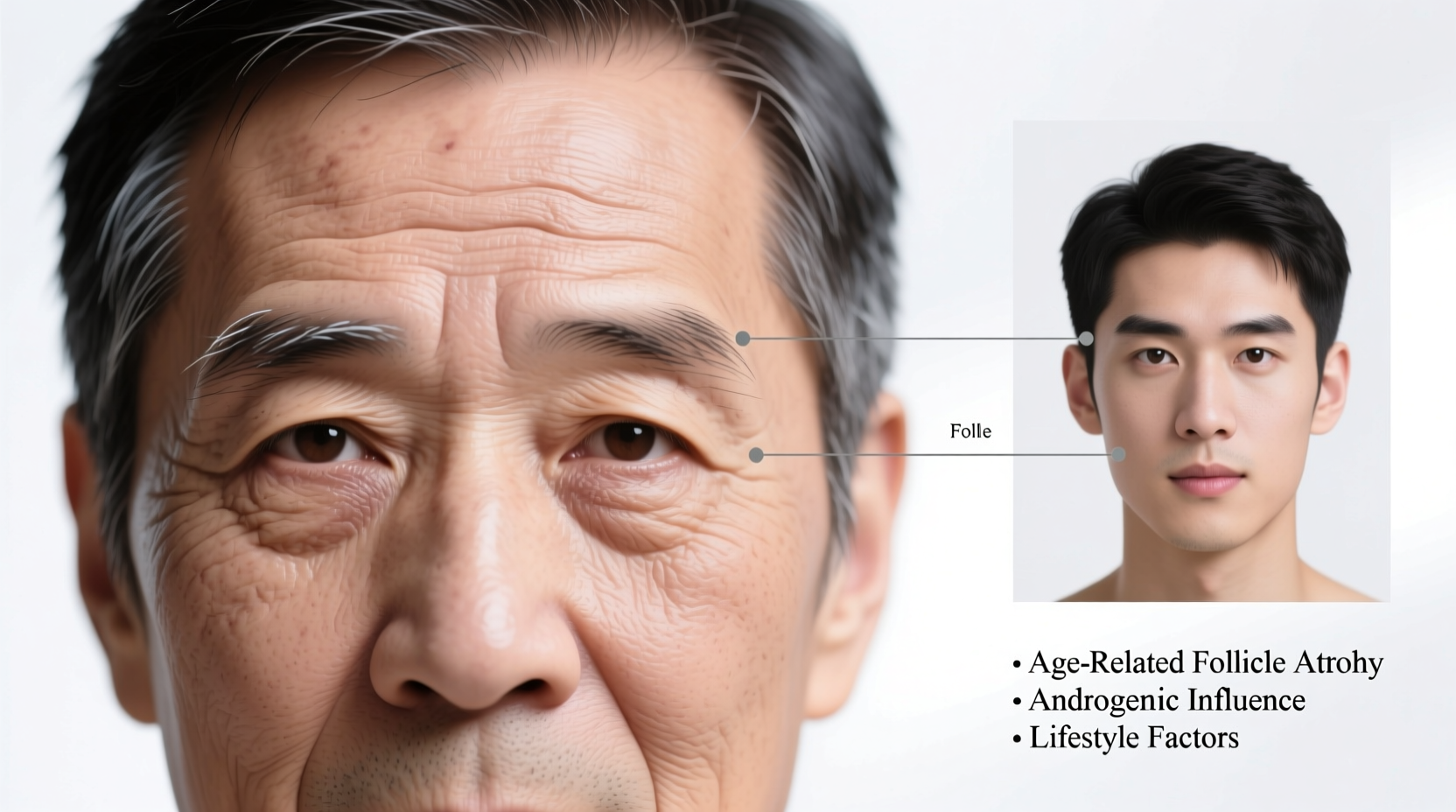
Eyebrow hair, like scalp hair, follows a growth cycle consisting of three phases: anagen (growth), catagen (transition), and telogen (resting). With age, this cycle slows down. The anagen phase shortens, meaning each hair grows for a shorter period before shedding. Over time, fewer hairs enter the growth phase, leading to sparser brows.
In addition, the number of active hair follicles in the brow area naturally decreases. A study published in the *Journal of Investigative Dermatology* found that individuals over 60 have up to 30% fewer visible eyebrow hairs than those in their 20s. This reduction is due to follicular miniaturization—a process where hair follicles shrink and produce finer, lighter hairs until they may stop producing hair altogether.
Hormonal shifts also contribute. As estrogen and testosterone levels decline with age, especially during menopause or andropause, hair growth across the body—including eyebrows—can slow significantly. These hormonal fluctuations affect keratin production and blood flow to follicles, further weakening hair structure.
Common Causes Beyond Natural Aging
While aging is inevitable, other reversible or manageable factors often accelerate eyebrow thinning. Identifying these can be the first step toward restoration.
- Nutritional Deficiencies: Low levels of iron, zinc, biotin, vitamin D, and protein impair hair growth. Iron deficiency, in particular, is linked to diffuse hair loss, including eyebrows.
- Over-Plucking and Trauma: Years of tweezing, waxing, or threading can damage follicles, leading to scarring and permanent loss in extreme cases (a condition called traction alopecia).
- Skin Conditions: Eczema, psoriasis, and seborrheic dermatitis can inflame the skin around the brows, disrupting the hair growth cycle.
- Thyroid Disorders: Both hypothyroidism and hyperthyroidism are associated with eyebrow thinning, particularly at the outer third—the so-called “Hertoghe sign.”
- Autoimmune Diseases: Alopecia areata causes sudden patchy hair loss, including eyebrows, when the immune system attacks hair follicles.
- Medications: Certain drugs, such as retinoids, chemotherapy agents, anticoagulants, and acne treatments, list hair thinning as a side effect.
“Eyebrow thinning isn’t just cosmetic—it can be a window into systemic health. I always assess thyroid function and nutrient status in patients reporting noticeable brow loss.” — Dr. Lena Patel, Board-Certified Dermatologist
Effective Treatments and Restoration Options
The right approach depends on the underlying cause. For age-related thinning without medical complications, several options can enhance fullness and promote regrowth.
Topical Solutions
Bimatoprost (marketed as Latisse) is FDA-approved for eyelash growth but is frequently prescribed off-label for eyebrows. Clinical trials show visible improvement in thickness and length within 8–16 weeks. Side effects may include skin darkening or eye irritation if applied improperly.
Over-the-counter serums containing peptides, prostaglandin analogs, or growth factors are widely available. While less potent than prescription options, consistent use over several months may yield modest results.
Nutritional Support
Correcting deficiencies can lead to noticeable improvements. Key nutrients include:
| Nutrient | Role in Hair Health | Best Food Sources |
|---|---|---|
| Biotin (B7) | Supports keratin infrastructure | Eggs, nuts, sweet potatoes |
| Vitamin D | Regulates hair follicle cycling | Fatty fish, fortified dairy, sunlight |
| Iron | Essential for oxygen transport to follicles | Red meat, spinach, lentils |
| Zinc | Supports cell reproduction and repair | Pumpkin seeds, shellfish, chickpeas |
A blood test can confirm deficiencies. Supplementation should be guided by a healthcare provider, as excess intake of certain nutrients (like selenium or vitamin A) can worsen hair loss.
Procedural Treatments
For advanced thinning, clinical interventions offer more dramatic results:
- Micropigmentation (Cosmetic Tattooing): Also known as microblading, this semi-permanent technique deposits pigment into the skin to mimic individual brow hairs. Results last 12–24 months and require touch-ups.
- Platelet-Rich Plasma (PRP): A small amount of the patient’s blood is processed to isolate platelets, then injected into the brow area to stimulate dormant follicles. Typically requires 3–4 sessions spaced monthly.
- Facial Hair Transplantation: Follicles from the back of the scalp are transplanted into the brow region. This is the most permanent solution but also the most invasive and costly.
Step-by-Step Guide to Reviving Thin Eyebrows
If you're ready to take action, follow this structured timeline to maximize results:
- Week 1: Assess and Diagnose
Visit a dermatologist or primary care provider. Request blood work to check iron, ferritin, thyroid hormones (TSH, T3, T4), vitamin D, and zinc levels. - Week 2: Adjust Diet and Supplements
Incorporate nutrient-rich foods. Begin supplementation only if deficiencies are confirmed. Start a gentle multivitamin if overall nutrition is poor. - Week 3: Switch to Brow-Friendly Skincare
Replace harsh cleansers and exfoliants near the brows. Use fragrance-free products to avoid irritation. Discontinue aggressive plucking. - Week 4: Begin Topical Treatment
Apply an eyebrow serum (prescription or OTC) nightly. Follow instructions carefully to prevent side effects. - Month 2–4: Monitor Progress
Take weekly photos under consistent lighting. Look for increased density, darker color, or new fine hairs. - Month 5–6: Reassess and Upgrade if Needed
If no improvement, consult a specialist about PRP or micropigmentation. Consider a second opinion if underlying conditions were not ruled out.
“Patience is critical. Hair grows slowly—about 0.15 mm per day. Realistic expectations mean waiting at least 3–6 months before judging treatment success.” — Dr. Marcus Lee, Trichology Specialist
Real-Life Example: Maria’s Brow Recovery Journey
Maria, a 54-year-old teacher from Portland, noticed her eyebrows fading over two years. Once thick and defined, they became patchy and pale, requiring daily pencil filling. Concerned, she visited a dermatologist who ordered blood tests. Results revealed low ferritin (iron stores) and subclinical hypothyroidism.
Her doctor prescribed iron supplements and adjusted her thyroid medication. She stopped waxing her brows and began using a peptide-based serum nightly. Within four months, new hairs emerged along the arches. By month six, her brows were visibly fuller, needing less makeup. “I didn’t realize how much it affected my self-esteem,” she said. “Now I feel like myself again.”
Do’s and Don’ts: Quick Reference Table
| Do | Don't |
|---|---|
| Get blood work to rule out deficiencies | Assume thinning is just due to age |
| Use a nourishing brow serum consistently | Over-pluck or wax aggressively |
| Eat protein-rich, colorful meals | Ignore signs of skin inflammation |
| Massage brows gently to boost circulation | Use expired or shared cosmetics |
| Consider professional treatments early | Expect overnight results |
Frequently Asked Questions
Can stress cause eyebrow thinning?
Yes. Chronic stress can trigger telogen effluvium, a condition where large numbers of hairs enter the resting phase prematurely and shed. This includes eyebrow hair. Managing stress through sleep, exercise, and mindfulness can support recovery.
Is it normal for eyebrows to turn white with age?
Yes. Like scalp hair, eyebrow hairs lose melanin over time, leading to graying or whitening. This typically begins in the 40s or 50s and progresses gradually. Some people choose to tint their brows with safe, semi-permanent dyes.
Are there any risks to eyebrow serums?
Potential side effects include skin irritation, redness, or unwanted hair growth on nearby areas if the product migrates. Prescription serums like bimatoprost may cause iris pigmentation changes in rare cases, especially in light-eyed individuals. Always apply precisely and discontinue use if adverse reactions occur.
Conclusion: Take Action with Confidence
Thinning eyebrows are a natural part of aging for many, but they don’t have to be accepted without question. Understanding the interplay between biology, lifestyle, and health empowers you to respond proactively. Whether through correcting nutritional gaps, adopting gentler grooming habits, or exploring advanced treatments, meaningful improvement is possible.
Your eyebrows frame your face and express emotion—they deserve care. Start with a conversation with your doctor, make one positive change this week, and give your brows the attention they’ve earned. Small steps today can lead to visible transformation tomorrow.




 浙公网安备
33010002000092号
浙公网安备
33010002000092号 浙B2-20120091-4
Comments
No comments yet. Why don't you start the discussion?