
Microblading has become one of the most sought-after cosmetic procedures for achieving full, natural-looking eyebrows. However, many clients are surprised to see that their brows appear uneven or patchy shortly after the treatment. This is a common concern — but not necessarily a cause for alarm. Understanding the healing process, realistic expectations, and proper aftercare can help you navigate this phase with confidence.
The appearance of asymmetry or uneven pigment immediately following microblading often resolves naturally over time. The key lies in knowing what’s normal during the healing journey and when to seek professional advice. This article breaks down the science behind post-microblading changes, provides a detailed healing timeline, and offers expert-backed guidance on managing expectations and outcomes.
Understanding the Healing Process After Microblading
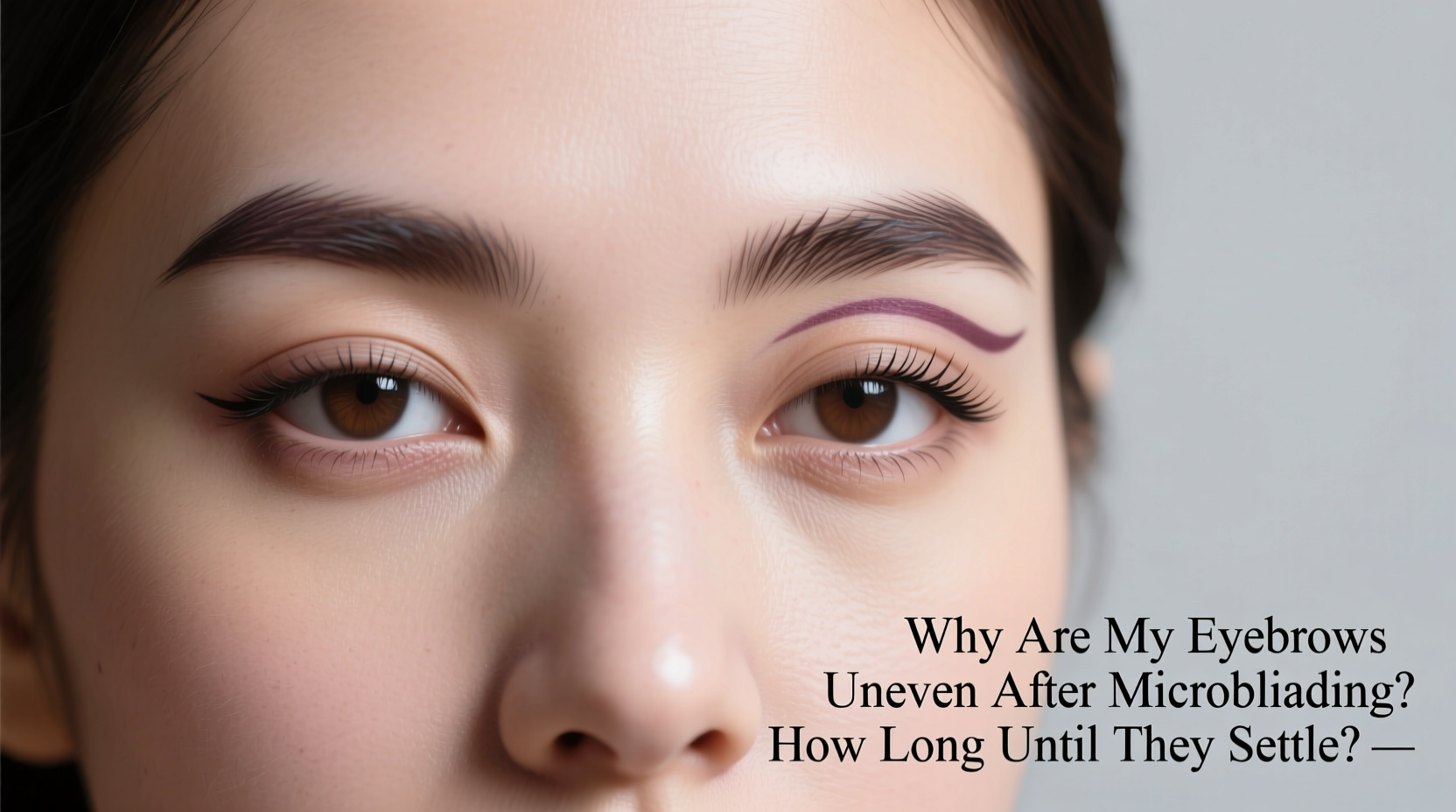
Microblading involves depositing pigment into the upper layers of the skin using fine needles to create hair-like strokes. Unlike traditional tattooing, which penetrates deeper into the dermis, microblading targets the epidermal layer, making it semi-permanent. Because of this, the healing process significantly affects the final result.
In the first few days after the procedure, your eyebrows will look darker, bolder, and more defined than expected. This is due to the fresh application of pigment and minor inflammation. As the skin begins to heal, it undergoes several stages: scabbing, flaking, and fading. During these phases, it's common for one brow to heal faster or differently than the other, leading to temporary unevenness.
Uneven appearance can stem from natural variations in skin texture, oil production, or even sleeping positions. One side of the face might retain pigment better than the other, especially if there's more sebum (oil) production, which can push out pigment during healing.
Common Causes of Uneven Brows Post-Microblading
It’s important to distinguish between normal healing variations and actual technical errors. Most cases of unevenness are part of the body’s natural healing response rather than a mistake by the technician.
- Differential healing rates: Each side of the face may heal at a different pace due to circulation, skincare routines, or habitual facial expressions.
- Skin type differences: Oily skin tends to reject pigment more easily, particularly on the tail end of the brow where oil glands are concentrated.
- Flaking and peeling patterns: Skin doesn’t always flake uniformly. Some areas may shed more quickly, causing patchiness.
- Pigment migration: In rare cases, pigment may slightly shift during healing, creating blurred or uneven lines.
- Pre-existing asymmetry: Natural facial asymmetry is common. A skilled artist enhances symmetry, but cannot completely override bone structure or muscle imbalances.
“About 70% of my clients experience some degree of unevenness during weeks two and three. It’s almost always part of the process, not a permanent flaw.” — Lena Torres, Certified Microblading Artist & Trainer
Healing Timeline: When Will My Brows Settle?
Patience is essential. The true result of microblading does not appear immediately. Here’s a week-by-week breakdown of what to expect:
| Week | What Happens | Appearance |
|---|---|---|
| 1 | Initial healing begins. Scabbing forms over strokes. | Brows look dark, sharp, possibly swollen. |
| 2 | Peeling starts. Flakes begin to form and fall off. | Patchy areas appear; one brow may fade faster. |
| 3–4 | Most scabs are gone. Underlying healed skin reveals itself. | Brows look lighter, softer, sometimes uneven or “ghosted.” |
| 5–6 | Pigment stabilizes beneath the skin. | Natural color returns. Final shape becomes visible. |
| 7–8 | Ready for touch-up session. | Any gaps or asymmetries can be corrected. |
By the sixth week, your brows should have settled into their near-final appearance. This is when a follow-up appointment is typically scheduled to refine strokes, adjust density, and correct any lingering imbalance.
How to Care for Your Brows During Healing
Proper aftercare plays a critical role in minimizing uneven results. Even the most skilled technique can be compromised by poor healing conditions.
- Keep the area dry for the first 7–10 days. Avoid sweating, swimming, saunas, and excessive moisture.
- Do not pick or scratch. Let flakes fall off naturally to prevent pigment loss.
- Use recommended ointments sparingly. Over-moisturizing can trap bacteria and soften scabs prematurely.
- Sleep on your back if possible. This reduces pressure and friction on the brows.
- Avoid direct sun exposure. UV rays can fade pigment and disrupt healing.
- Stay away from makeup and skincare products near the brows. Ingredients like retinoids or acids can accelerate exfoliation.
When to Be Concerned About Unevenness
While mild asymmetry during healing is normal, certain signs may indicate an issue requiring professional attention:
- One brow has completely lost pigment while the other remains dark.
- Visible scarring, thick scabs, or signs of infection (redness, pus, prolonged pain).
- Blurred or “feathered” edges suggesting improper depth or tool handling.
- Significant shape distortion not aligned with your natural brow structure.
If you notice any of these red flags, contact your technician promptly. Early intervention can prevent long-term complications. Remember: a qualified artist will stand by their work and offer corrections during the touch-up phase.
Mini Case Study: Sarah’s Healing Journey
Sarah, a 34-year-old client with combination skin, underwent microblading expecting flawless symmetry. By day five, her right brow looked significantly darker and fuller than the left. She panicked, thinking the artist had made a mistake. However, she followed aftercare instructions diligently — no picking, minimal moisture, and avoided gym workouts.
By day 12, both brows began flaking. The right side peeled heavily, revealing a much lighter base. Meanwhile, the left brow showed only light flaking and retained more pigment. For nearly two weeks, her brows appeared dramatically uneven — the right looked almost invisible, while the left remained defined.
At week six, the pigment re-emerged on the right side as the skin fully healed. A touch-up session filled in a few sparse areas, and the final result was balanced and natural. Sarah learned that initial appearances can be misleading — patience and trust in the process were key.
Expert Tips for Achieving Balanced Results
To minimize the risk of uneven outcomes and support optimal healing, consider the following checklist before and after your appointment.
✅ Microblading Aftercare Checklist
- ✔️ Attend a consultation to discuss brow shape and symmetry goals.
- ✔️ Choose a licensed, experienced technician with a strong portfolio.
- ✔️ Follow pre-care instructions (avoid blood thinners, alcohol, etc.).
- ✔️ Keep brows dry and untouched for the first week.
- ✔️ Attend your scheduled touch-up appointment (usually 6–8 weeks later).
- ✔️ Protect healed brows from sun with SPF-infused cosmetics.
- ✔️ Schedule annual color boosts to maintain vibrancy.
“The golden rule of microblading: the first pass is never the final result. Healing is part of the art.” — Dr. Naomi Patel, Dermatologist & Cosmetic Procedure Advisor
Frequently Asked Questions
Can I fix uneven brows myself at home?
No. Attempting to correct unevenness with DIY methods, such as applying dyes or creams, can damage the skin and interfere with future touch-ups. Always consult your technician before taking action.
Will my brows ever be perfectly symmetrical?
Perfect symmetry is neither natural nor achievable. The goal of microblading is harmonious balance, not mirror-image brows. Skilled artists design brows to complement your facial features, accounting for natural asymmetry.
What if my brows still look uneven after the touch-up?
If imbalance persists after a properly executed touch-up, discuss revision options with your artist. In rare cases, switching pigments, adjusting stroke depth, or spacing techniques can improve results. Persistent issues may require referral to a specialist.
Final Thoughts: Trust the Process
Uneven eyebrows after microblading are far more common than most people realize. They are usually a temporary phase in a complex biological healing process, not a sign of failure. With proper care, realistic expectations, and timely follow-up, most clients achieve beautifully balanced, long-lasting results.
The settling period — typically 4 to 6 weeks — requires patience and discipline. Resist the urge to compare daily changes in the mirror. Instead, focus on consistency in aftercare and trust the expertise of your technician.




 浙公网安备
33010002000092号
浙公网安备
33010002000092号 浙B2-20120091-4
Comments
No comments yet. Why don't you start the discussion?