
It’s normal to lose a few eyelashes each day—just like the hair on your head, lashes follow a natural growth cycle. But when clumps start appearing on your pillow or you notice thinning that wasn’t there before, it’s time to pay attention. Excessive eyelash shedding can stem from simple habits or signal deeper health concerns. The good news is, most causes are reversible with the right care. Understanding what’s behind the loss—and how to respond gently—is key to restoring fullness without further damage.
Understanding the Eyelash Growth Cycle
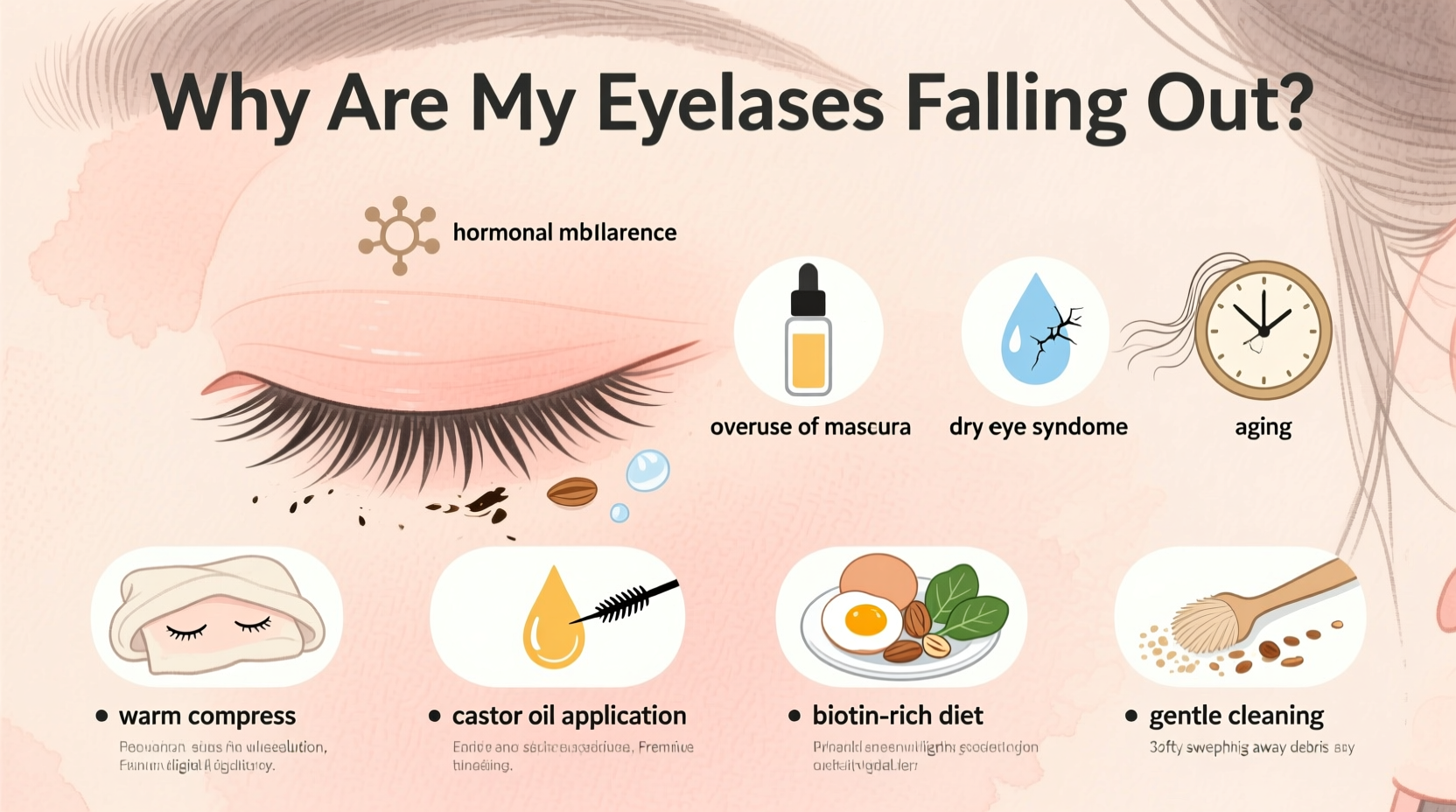
Eyelashes grow in three distinct phases: anagen (growth), catagen (transition), and telogen (resting and shedding). Unlike scalp hair, which can stay in the growth phase for years, eyelashes remain in anagen for only four to ten weeks. This short window means lashes naturally shed every 30 to 45 days. On average, you might lose one to five lashes daily—a process so gradual it often goes unnoticed.
Problems arise when this cycle is disrupted. Premature entry into the shedding phase, inflammation at the follicle, or physical trauma can accelerate loss. Recognizing whether your shedding falls within the normal range—or indicates something more serious—starts with observing patterns. Are lashes breaking? Are they falling out with the root intact? Is there redness or irritation? These details help pinpoint the cause.
Common Causes of Excessive Eyelash Loss
Increased shedding rarely has a single cause. More often, it results from a combination of lifestyle, hygiene, and health factors. Identifying the root issue is essential before applying remedies.
1. Harsh Makeup and Removal Habits
Aggressive makeup routines top the list of preventable causes. Waterproof mascara, tight eyeliner, and false lashes can stress follicles. Even more damaging is how people remove these products—rubbing, tugging, or using alcohol-based removers strips natural oils and weakens lash roots.
2. Blepharitis and Eyelid Inflammation
Blepharitis—an inflammatory condition caused by bacteria, oil gland dysfunction, or mites (like Demodex)—leads to flaky skin, redness, and crusting at the base of lashes. Over time, chronic inflammation damages follicles and disrupts growth.
“Patients often don’t realize that persistent eye irritation isn’t just uncomfortable—it can silently erode lash density over months.” — Dr. Lena Torres, Oculofacial Specialist
3. Nutritional Deficiencies
Lash health reflects overall nutrition. Deficiencies in protein, iron, biotin, and vitamins D and E impair keratin production and follicle function. Vegetarians, those with digestive disorders, or individuals on restrictive diets are especially vulnerable.
4. Hormonal Changes and Medical Conditions
Thyroid imbalances (both hypo- and hyperthyroidism), autoimmune diseases like alopecia areata, and hormonal shifts during pregnancy or menopause can trigger diffuse hair loss—including lashes. In alopecia areata, the immune system attacks hair follicles, sometimes causing sudden, patchy lash loss.
5. Medications and Treatments
Chemotherapy is the most well-known cause of lash loss, but other medications contribute too. Glaucoma eye drops (especially prostaglandin analogs like bimatoprost), anticoagulants, retinoids, and acne treatments may alter lash cycles or induce shedding.
6. Physical Stress and Rubbing
Chronic eye rubbing—due to allergies, dry eyes, or habit—pulls lashes out prematurely and inflames follicles. Similarly, sleeping face-down or using rough pillowcases increases friction and breakage.
Gentle Fixes That Support Lash Regrowth
Recovery begins not with aggressive treatments, but with minimizing further damage. Lash follicles are delicate; harsh serums or rapid-fix promises often do more harm than good. Instead, focus on creating a supportive environment for regrowth.
Switch to Gentle Cleansing Methods
Replace cotton pads and rubbing motions with soft microfiber cloths and oil-based cleansers. Micellar water or castor oil applied with a clean fingertip dissolves makeup without stripping moisture. Always remove eye makeup before bed—even “overnight mascara” can trap bacteria and clog follicles.
Nourish from Within
Diet plays a direct role in lash resilience. Prioritize foods rich in:
- Protein: Eggs, fish, legumes
- Iron: Spinach, lentils, lean red meat
- Omega-3s: Chia seeds, walnuts, salmon
- Vitamins A, C, E: Carrots, citrus, almonds
Apply Warm Compresses for Lid Health
For blepharitis or blocked glands, warm compresses twice daily can reduce inflammation. Soak a clean cloth in warm water, wring it out, and hold it against closed eyes for 5–10 minutes. Follow with a gentle lid scrub using diluted baby shampoo on a cotton swab to remove debris.
Do’s and Don’ts: A Quick Reference Table
| Do | Don’t |
|---|---|
| Use oil-based, non-comedogenic makeup removers | Rub or tug lashes when removing makeup |
| Clean eyelids gently with warm compresses | Sleep in mascara or eyeliner |
| Take breaks from false lashes and extensions | Use waterproof mascara daily |
| Check medications for side effects | Share mascara or eyeliners |
| Eat a balanced diet rich in hair-supporting nutrients | Ignore persistent redness or crusting on lids |
A Real-Life Example: Recovering Lash Density After Extensions
Sophie, a 32-year-old graphic designer, wore semi-permanent lash extensions for over two years. She loved the look but began noticing her natural lashes were shorter and sparser. After a particularly heavy set, she woke up with multiple lashes stuck to her cheek. Alarmed, she stopped extensions and consulted a dermatologist.
The diagnosis: traction alopecia from prolonged mechanical stress. Her follicles were weakened, and some had entered early dormancy. The doctor recommended a six-month break from all lash enhancements, daily castor oil application, and omega-3 supplementation. Sophie also switched to silicone eyeliner and used a silk pillowcase to reduce friction.
Within four months, new growth appeared—fine at first, then gradually thicker. By month six, her lashes were nearly back to their original length. “I didn’t realize how much damage constant extensions were doing,” she said. “Now I know less is more.”
Step-by-Step Guide to Restoring Lash Health
- Pause All Harsh Products: Stop using waterproof mascara, lash extensions, and chemical-laden serums for at least 4–6 weeks.
- Cleanse Gently Daily: Use a mild, oil-based remover and avoid rubbing. Rinse thoroughly.
- Treat Lid Inflammation: Apply warm compresses twice a day and use a diluted lid scrub if needed.
- Support Nutrition: Eat protein-rich meals and consider a multivitamin if dietary gaps exist.
- Try a Nourishing Oil: Apply a drop of pure castor or coconut oil to the lash line at night using a clean spoolie.
- Protect During Sleep: Switch to a silk pillowcase to minimize friction.
- Monitor Progress: Take weekly photos under consistent lighting to track regrowth.
- Consult a Professional: If no improvement in 8–12 weeks, see a dermatologist or ophthalmologist.
“Patience is part of the treatment. Lashes grow slowly, and recovery takes time. Consistency with gentle care matters more than any miracle product.” — Dr. Arjun Patel, Dermatologist
When to See a Doctor
While most cases resolve with lifestyle adjustments, certain symptoms warrant medical evaluation:
- Sudden, widespread lash loss
- Red, swollen, or painful eyelids
- Visible patches of missing lashes
- Changes in vision or excessive tearing
- Signs of thyroid issues (fatigue, weight changes, dry skin)
Frequently Asked Questions
Can eyelashes grow back after falling out?
Yes, in most cases. As long as the hair follicle isn’t permanently damaged, lashes will regrow. Recovery time varies from 4 to 16 weeks depending on the cause and individual health.
Is castor oil safe for eyelashes?
Pure, cold-pressed castor oil is generally safe when applied sparingly to the lash line. However, it can cause irritation in sensitive individuals or if it gets into the eye. Perform a patch test first and avoid use if you have active eye infections.
Do eyelash serums really work?
Some prescription serums containing bimatoprost can enhance growth, but they come with risks like iris pigmentation changes. Over-the-counter serums vary widely in quality—many lack clinical backing. Focus on proven methods like gentle care and nutrition before investing in serums.
Final Thoughts: Prioritize Long-Term Lash Wellness
Thicker, longer lashes aren’t achieved overnight—and shouldn’t come at the cost of long-term health. The drive for dramatic beauty often overlooks the fragility of our natural defenses. Your eyelashes protect your eyes from debris and light; treating them with care isn’t just cosmetic, it’s functional.
Start today by auditing your routine. Replace harsh products, nourish your body, and give your lashes a break from constant styling. Small, consistent choices compound into visible results. And if shedding persists, don’t hesitate to seek expert guidance—your eyes deserve nothing less.




 浙公网安备
33010002000092号
浙公网安备
33010002000092号 浙B2-20120091-4
Comments
No comments yet. Why don't you start the discussion?