
It's normal to lose a few eyelashes every day—just like the hair on your head, eyelashes grow, shed, and regrow in cycles. But if you've noticed clumps of lashes on your pillow, frequent blinking leaving behind tiny hairs, or visibly thinner lashes, it may be time to investigate. Excessive eyelash shedding can stem from various factors, ranging from lifestyle habits to underlying medical conditions. The good news is that most causes are treatable, and with the right care, you can support healthy regrowth.
Understanding the Eyelash Growth Cycle
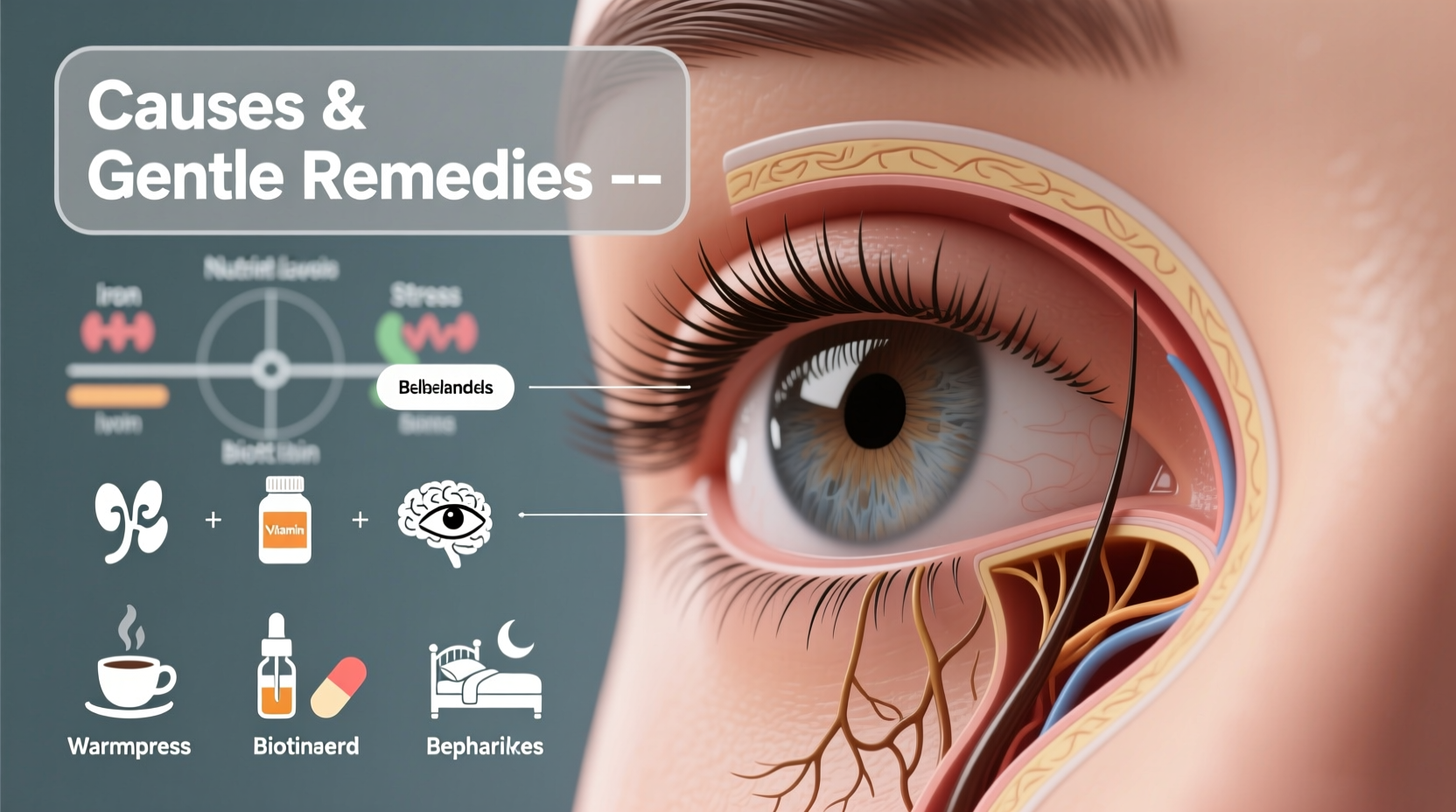
Eyelashes follow a natural growth cycle similar to scalp hair, consisting of three phases: anagen (growth), catagen (transition), and telogen (resting and shedding). Unlike scalp hair, which can stay in the growth phase for years, eyelashes remain in the anagen phase for only four to ten weeks. This short growth window means they don’t get very long and naturally fall out every few months. On average, each person has 90–150 upper lashes and 70–80 lower ones, losing about one to five per day.
When shedding exceeds this range consistently, it’s known as *madarosis*—a medical term for the loss of eyelashes or eyebrows. Recognizing what’s normal versus what’s excessive helps determine whether intervention is needed.
Common Causes of Increased Eyelash Shedding
Several factors can disrupt the natural lash cycle and lead to noticeable thinning. Some are temporary and reversible; others may require medical evaluation.
1. Harsh Makeup Habits
Aggressive makeup application and removal are among the top culprits. Waterproof mascara, heavy false lashes, and daily use of eyelash curlers create constant tension, weakening the follicles over time. Rubbing or tugging during makeup removal can cause lashes to break or pull out prematurely.
2. Blepharitis and Eye Infections
Blepharitis—an inflammation of the eyelid margins—often leads to crusting, redness, and irritation. Bacteria or skin conditions like seborrheic dermatitis can clog hair follicles at the lash line, disrupting growth. Infections such as styes or conjunctivitis may also contribute to temporary lash loss.
3. Hormonal Changes
Pregnancy, menopause, thyroid disorders (both hypo- and hyperthyroidism), and hormonal imbalances can affect hair follicles throughout the body, including eyelashes. Thyroid issues, in particular, are strongly linked to madarosis.
“Thyroid dysfunction is one of the most overlooked systemic causes of eyelash thinning. A simple blood test can rule it out.” — Dr. Lena Torres, Ophthalmologist & Cosmetic Eye Specialist
4. Nutritional Deficiencies
Lack of essential nutrients impairs keratin production, the protein that makes up hair and lashes. Deficiencies in iron, biotin, vitamin D, zinc, and omega-3 fatty acids have all been associated with brittle, weak lashes and increased shedding.
5. Stress and Emotional Trauma
Physical or emotional stress can trigger a condition called *telogen effluvium*, where hair follicles—including those of eyelashes—enter the resting phase prematurely. Significant life events, surgery, or chronic anxiety may manifest as increased lash fallout weeks later.
6. Autoimmune Conditions
Diseases like alopecia areata can target eyelash follicles, causing sudden, patchy loss. Lupus and sarcoidosis are other autoimmune disorders that sometimes present with madarosis as an early symptom.
7. Medications and Medical Treatments
Chemotherapy is the most well-known cause of total lash loss, but other medications—such as certain glaucoma eye drops (e.g., bimatoprost derivatives), anticoagulants, retinoids, and acne treatments—can also contribute to thinning.
Gentle Remedies to Support Lash Regrowth
Before turning to serums or extensions, consider natural, low-risk approaches that nurture the lash line and address root causes. These remedies focus on reducing damage, improving hygiene, and enhancing follicle health.
Nourishing Oils for Lash Care
Certain plant-based oils have shown promise in supporting lash strength and moisture retention when applied carefully along the lash line.
- Castor oil: Rich in ricinoleic acid, it may improve circulation to follicles and reduce inflammation.
- Coconut oil: Has antimicrobial properties and helps condition lashes, preventing brittleness.
- Jojoba oil: Mimics natural sebum, helping keep the lash line moisturized without clogging glands.
Apply a small amount using a clean spoolie or cotton swab before bedtime. Avoid getting oil into the eyes, especially if you’re prone to styes or blepharitis.
Maintain Lid Hygiene
Keeping the eyelid margin clean prevents bacterial buildup and supports follicle health. Use a mild, fragrance-free cleanser or a diluted baby shampoo on a warm compress to gently wipe the base of lashes daily.
Improve Your Diet
Skin and hair health begin from within. Prioritize foods rich in:
- Iron (spinach, lentils, red meat)
- Biotin (eggs, almonds, sweet potatoes)
- Omega-3s (salmon, chia seeds, walnuts)
- Vitamin E (sunflower seeds, avocados)
- Zinc (pumpkin seeds, chickpeas)
If deficiencies are suspected, consult your doctor before starting supplements, as excess intake (especially of vitamin A or selenium) can worsen hair loss.
Switch to Lash-Friendly Beauty Practices
Your daily routine might be doing more harm than good. Simple changes can make a significant difference.
| Do’s | Don’ts |
|---|---|
| Use non-waterproof mascara | Wear false lashes more than once a week |
| Remove makeup gently with micellar water or oil | Rub or tug lashes aggressively |
| Replace mascara every 3 months | Share eye makeup (risk of infection) |
| Give your lashes a break—go bare at least 2–3 days a week | Sleep with mascara on |
Step-by-Step Guide to Restoring Lash Health
If you're experiencing unusual lash shedding, follow this structured approach to identify causes and promote recovery.
- Pause All Harsh Products: Stop using waterproof mascara, lash extensions, and chemical-based removers for at least two weeks.
- Assess Your Routine: Track your makeup use, stress levels, diet, and any new medications.
- Cleanse Gently Daily: Use a warm washcloth and diluted baby shampoo to clean the lash line every evening.
- Apply Nourishing Oil: Once nightly, apply a drop of castor or jojoba oil with a sterile applicator.
- Improve Nutrition: Add two servings of leafy greens and one source of omega-3s to your daily meals.
- Monitor Progress: Take weekly photos under consistent lighting to track changes over 4–6 weeks.
- See a Doctor if No Improvement: If shedding continues after a month, consult a dermatologist or ophthalmologist.
Real-Life Example: Sarah’s Recovery Journey
Sarah, a 34-year-old graphic designer, began noticing her lashes thinning after six months of wearing daily false lashes for client meetings. She used waterproof mascara underneath for extra hold and removed everything with alcohol-based wipes. Within three months, her lashes were sparse, and some areas showed visible gaps.
After seeing an eye specialist, she was diagnosed with early-stage blepharitis and follicular stress. Her doctor advised discontinuing extensions, switching to a gentle cleansing routine, and applying warm compresses twice daily. She started using castor oil nightly and improved her iron intake through diet.
Within eight weeks, Sarah noticed new, shorter lashes growing in. By 12 weeks, her lash line had visibly thickened. “I didn’t realize how much damage I was doing,” she said. “Now I let them breathe most days—and they look healthier than ever.”
When to See a Doctor
While occasional shedding is normal, persistent or severe loss warrants professional evaluation. Seek medical advice if you experience:
- Sudden or patchy lash loss
- Red, swollen, or itchy eyelids
- Loss of eyebrow hair alongside lashes
- Visible bald spots on the lash line
- History of thyroid disease, lupus, or alopecia
A dermatologist may perform blood tests, examine the lash line under magnification, or take a biopsy if an autoimmune condition is suspected. Prescription treatments like topical corticosteroids or antifungal creams may be necessary for inflammatory causes.
Frequently Asked Questions
Can eyelashes grow back after falling out?
Yes, in most cases, eyelashes grow back once the underlying cause is addressed. However, repeated trauma (like constant pulling or improper extension use) can permanently damage follicles over time.
How long does it take for eyelashes to regrow?
The regrowth cycle typically takes 6 to 8 weeks, though full restoration may take up to 16 weeks depending on individual health, age, and care practices.
Are lash serums safe to use?
Some serums containing peptides or prostaglandin analogs can enhance growth, but they carry risks such as pigmentation changes or eye irritation. Over-the-counter options with natural ingredients (like panthenol or biotin) are safer for long-term use. Always patch-test first.
Final Thoughts and Action Steps
Excessive eyelash shedding is more common than many realize, and while it can be alarming, it’s often reversible with mindful care. The key is to identify whether the cause is external—like makeup habits—or internal, such as nutritional or hormonal imbalances. Gentle cleansing, proper nutrition, and giving your lashes a break from cosmetic stressors go a long way toward restoring their natural strength.
Start today by evaluating your current routine. Are you rubbing your eyes? Using expired mascara? Skipping makeup removal at night? Small adjustments can yield visible improvements in just a few weeks.




 浙公网安备
33010002000092号
浙公网安备
33010002000092号 浙B2-20120091-4
Comments
No comments yet. Why don't you start the discussion?