
It’s normal to lose a few eyelashes every day—just like the hair on your head, eyelashes follow a natural growth cycle that includes shedding. But when you notice clumps falling out, thinning along the lash line, or an unusual number collecting on your pillow or in your makeup remover, it’s natural to feel concerned. While certain medical conditions can contribute to excessive lash loss, many of the most common causes are entirely non-medical and often within your control.
Understanding these everyday triggers is the first step toward restoring healthier, fuller lashes. From lifestyle habits to beauty routines, several subtle factors can accelerate lash shedding without you even realizing it. The good news? Most of these causes are reversible with simple adjustments.
1. Harsh Makeup Habits Are a Leading Culprit
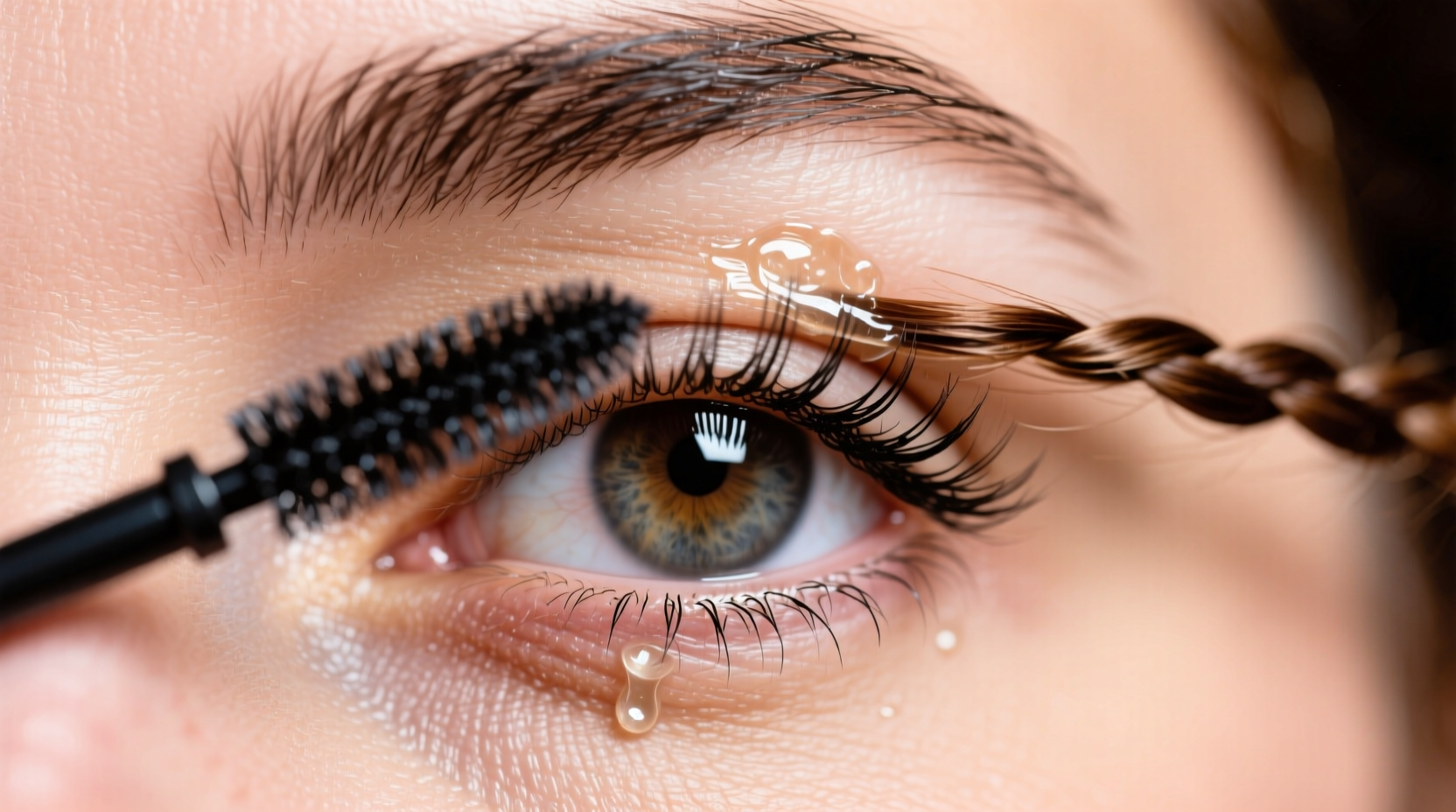
The way you apply and remove eye makeup plays a significant role in lash health. Many people unknowingly damage their lashes through aggressive practices that strain the delicate follicles.
- Rubbing too hard during makeup removal: Vigorous scrubbing with cotton pads or towels can pull lashes out prematurely and weaken the follicle over time.
- Sleeping in mascara: Dried mascara makes lashes brittle and more prone to breakage. It also increases the temptation to tug at them when removing.
- Using waterproof products daily: Waterproof mascaras and eyeliners require stronger solvents to remove, which often means harsher rubbing and chemical exposure.
- Overuse of eyelash curlers: Repeated or improper use of metal curlers can pinch and snap lashes at the base.
2. Poor Quality or Expired Eye Cosmetics
Not all makeup is created equal, and using low-quality or expired products around the eyes can silently damage lashes. Cheap mascaras often contain drying agents and preservatives that irritate the lash line and degrade keratin, the protein that keeps lashes strong.
Expired mascara is particularly risky. After three to six months, bacteria accumulate, increasing the risk of mild infections or inflammation that can disrupt the lash growth cycle. Even if you don’t develop an infection, degraded formulas become clumpy and harder to remove—leading to more pulling and breakage.
“Many patients come in worried about lash loss, only to discover their three-year-old mascara is the real issue.” — Dr. Lena Torres, Dermatology Consultant
Do’s and Don’ts of Mascara Use
| Do’s | Don’ts |
|---|---|
| Replace mascara every 3–6 months | Share mascara with others |
| Choose formulas with conditioning ingredients (e.g., panthenol, castor oil) | Use old or dried-out tubes |
| Remove makeup with two-phase eye removers | Apply multiple layers daily without cleansing in between |
| Let lashes breathe—go makeup-free one day a week | Skip makeup removal at night |
3. Frequent Use of Eyelash Extensions and Adhesives
Eyelash extensions have surged in popularity for their dramatic effect, but long-term or improper use can lead to traction alopecia—a condition where constant pulling damages hair follicles. This isn’t just limited to poorly applied extensions; even high-quality sets can cause harm if worn continuously without breaks.
The adhesive used in extensions often contains cyanoacrylate, which can irritate sensitive skin and trigger allergic reactions. Over time, this inflammation may disrupt the lash growth phase. Additionally, the weight of synthetic lashes forces natural ones to bear extra load, leading to premature shedding.
A common mistake is attempting DIY removal or letting extensions grow out completely before refills. This increases the chance of natural lashes being pulled out with the synthetic ones during shedding cycles.
Mini Case Study: Recovering Lash Health After Years of Extensions
Sophie, a 32-year-old marketing professional, had worn lash extensions for nearly five years, only taking breaks during vacations. Over time, she noticed her natural lashes were shorter, sparser, and breaking more easily. After consulting a dermatologist, she was diagnosed with early-stage traction alopecia. She stopped extensions, switched to a nourishing lash serum, and committed to a gentle nighttime routine. Within four months, her lash density improved significantly, and she now wears extensions only for special events—with mandatory recovery periods.
4. Environmental and Lifestyle Stressors
Your lashes are exposed to the same environmental stressors as your skin and scalp. Pollution, UV radiation, chlorine, and dry indoor air from heating or AC systems can all compromise lash integrity.
- Dry climates or heated rooms: Low humidity dries out lashes, making them brittle and prone to snapping.
- Chlorine and saltwater: Swimming regularly without eye protection strips natural oils from lashes.
- Pollution: Airborne particles settle on lashes and mix with sebum, clogging follicles and weakening growth.
- Lack of sleep and poor nutrition: Chronic fatigue and deficiencies in protein, biotin, or omega-3s impair keratin production.
These factors may seem minor individually, but their cumulative impact can accelerate shedding. Unlike sudden medical causes, this type of loss develops gradually—making it easy to overlook until thinning becomes visible.
Nutrients That Support Lash Strength
| Nutrient | Role in Lash Health | Food Sources |
|---|---|---|
| Biotin (B7) | Supports keratin infrastructure | Eggs, nuts, sweet potatoes |
| Omega-3 Fatty Acids | Moisturizes follicles and reduces inflammation | Fatty fish, flaxseeds, chia seeds |
| Vitamin E | Protects against oxidative stress | Spinach, avocados, sunflower seeds |
| Protein | Building block of lash structure | Lean meats, legumes, dairy |
5. Physical Habits You Might Not Realize Are Harmful
Some of the most overlooked causes of lash loss are unconscious behaviors. These habits often go unnoticed because they occur during moments of stress, fatigue, or distraction.
- Rubbing your eyes frequently: Whether due to allergies, tiredness, or irritation from screens, habitual eye rubbing pulls lashes and inflames follicles.
- Touching your face throughout the day: Hands transfer dirt and oils to the lash line, potentially clogging follicles and promoting breakage.
- Sleeping on your stomach: Pressing your face into the pillow creates friction that can dislodge lashes over time.
- Using dirty brushes or applicators: Old mascara wands collect bacteria and dried product, increasing drag on lashes during application.
“Patients are often surprised to learn that something as simple as changing their sleep position can reduce lash fallout.” — Dr. Arjun Patel, Cosmetic Dermatologist
Step-by-Step Guide to Reducing Non-Medical Lash Loss
Follow this practical timeline to improve lash retention over the next 6–8 weeks:
- Week 1: Audit Your Routine
Take inventory of all eye products. Discard anything expired, especially mascara and liquid liner. Note how often you wear heavy eye makeup. - Week 2: Switch to Gentle Removal
Begin using an oil-based dual-phase remover. Soak a pad, press it gently on closed eyes for 15 seconds, then wipe softly—no rubbing. - Week 3: Introduce a Lash Serum
Apply a peptide or biotin-infused serum nightly to clean lash lines. Look for ophthalmologist-tested formulas. - Week 4: Take a Makeup Break
Spend 3–5 days wearing no eye makeup. Let lashes breathe and observe any changes in shedding. - Weeks 5–6: Optimize Sleep & Diet
Switch to a silk pillowcase to reduce friction. Add more protein-rich foods and leafy greens to your meals. - Weeks 7–8: Reassess
Check for improvements in thickness and fewer stray lashes on your pillow. Continue healthy habits long-term.
FAQ: Common Questions About Eyelash Shedding
Is it normal to lose 4–5 eyelashes a day?
Yes. On average, people naturally shed 1–5 eyelashes daily as part of the hair growth cycle. Each lash has a lifespan of 30–150 days before it falls out and regrows. Losing a few here and there is normal and usually goes unnoticed.
Can stress really make my eyelashes fall out?
Yes, indirectly. While emotional stress doesn’t directly target lashes, it can trigger habits like eye rubbing or worsen conditions like blepharitis (eyelid inflammation). Chronic stress also disrupts hormonal balance, which may shorten the lash growth phase.
How long does it take for eyelashes to grow back after falling out?
If the follicle is undamaged, lashes typically regrow within 6–8 weeks. Full restoration to previous length and density may take 3–4 months. Avoiding ongoing damage is key to ensuring regrowth.
Final Checklist: Protect Your Lashes Daily
- ✅ Remove eye makeup gently every night
- ✅ Replace mascara every 3–6 months
- ✅ Avoid waterproof formulas unless necessary
- ✅ Never rub your eyes vigorously
- ✅ Take breaks from eyelash extensions
- ✅ Eat a balanced diet rich in protein and vitamins
- ✅ Consider using a lash serum with proven ingredients
- ✅ Switch to a silk pillowcase to reduce friction
Conclusion: Small Changes, Lasting Results
Excessive eyelash shedding is rarely a sign of serious illness when non-medical causes are involved. More often, it’s the result of daily habits that, while seemingly harmless, add up over time. The power to reverse this lies in awareness and consistency—not expensive treatments or drastic measures.
By adjusting your makeup routine, improving your nutrition, and eliminating damaging behaviors, you can support natural lash regrowth and maintain a fuller, healthier fringe. Start with one change this week—whether it’s tossing that old mascara or skipping eyeliner for a few nights. Small steps compound into real results.




 浙公网安备
33010002000092号
浙公网安备
33010002000092号 浙B2-20120091-4
Comments
No comments yet. Why don't you start the discussion?