
Occasional eyelid twitching is something nearly everyone experiences. It usually starts as a subtle flutter in one eyelid—often the left or right lower lid—and may last for minutes, hours, or even days. While typically harmless, persistent or severe twitching can be frustrating and sometimes signal underlying health issues. Understanding the root causes and knowing when to take action can help you regain comfort and prevent recurrence.
Unlike sudden eye spasms caused by neurological conditions, most eyelid twitches—clinically known as *myokymia*—are benign and resolve on their own. However, recurring episodes often point to lifestyle factors, environmental triggers, or nutritional imbalances that deserve attention.
Common Causes of Eyelid Twitching
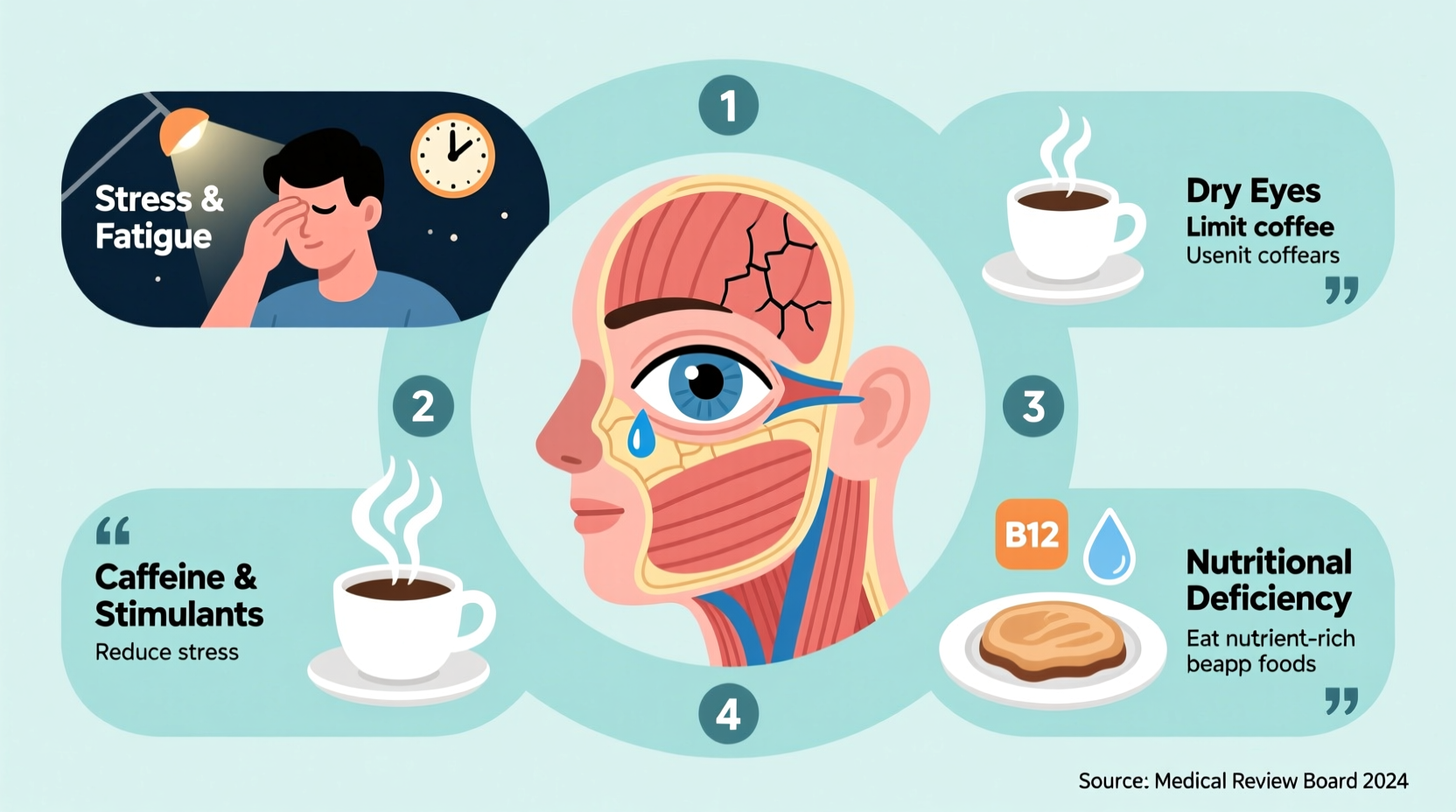
Myokymia occurs when the muscles around the eye fire involuntarily due to nerve irritation. Several everyday factors can trigger this response:
- Stress and anxiety: Elevated cortisol levels from chronic stress affect nervous system regulation, increasing muscle excitability.
- Eye strain: Prolonged screen time, especially without breaks, strains the ocular muscles and can lead to twitching.
- Caffeine and stimulants: Excessive coffee, energy drinks, or certain medications may overstimulate the nervous system.
- Sleep deprivation: Poor sleep disrupts neural recovery, making muscles more prone to erratic firing.
- Dry eyes: Particularly common with aging or extended digital use, dryness irritates the eye surface and surrounding nerves.
- Nutrient deficiencies: Low levels of magnesium, potassium, calcium, or vitamin B12 impair proper nerve and muscle function.
“Most eyelid twitches are benign, but recurrent episodes should prompt a review of lifestyle habits and potential nutrient gaps.” — Dr. Lena Patel, Neuro-Ophthalmologist
When to Be Concerned: Red Flags
In rare cases, eyelid twitching may indicate a more serious neurological condition. Seek medical evaluation if you experience any of the following:
- The twitch persists for more than three weeks
- It spreads to other facial areas (e.g., cheek or mouth)
- Your eye begins to close completely during spasms
- You notice redness, swelling, or discharge from the eye
- Blinking becomes forceful or frequent (possible sign of blepharospasm)
Conditions like benign essential blepharospasm, hemifacial spasm, or even multiple sclerosis can present with eye twitching, though these are typically accompanied by other neurological symptoms.
Effective Solutions and Prevention Strategies
For most people, addressing lifestyle and environmental triggers brings rapid relief. The following steps are backed by clinical observation and patient outcomes:
1. Reduce Screen Time and Apply the 20-20-20 Rule
Every 20 minutes, look at something 20 feet away for at least 20 seconds. This reduces eye fatigue and gives ocular muscles a chance to relax.
2. Optimize Sleep Hygiene
Aim for 7–9 hours of uninterrupted sleep. Maintain a consistent bedtime, avoid screens an hour before bed, and keep your bedroom cool and dark.
3. Cut Back on Stimulants
Limit caffeine to under 200 mg per day (about one strong coffee). Avoid energy drinks and late-afternoon caffeine consumption.
4. Increase Intake of Key Nutrients
Magnesium deficiency is a leading contributor to muscle twitching. Boost intake through foods like spinach, almonds, avocado, and black beans—or consider a supplement after consulting your doctor.
| Nutrient | Role in Nerve/Muscle Function | Top Food Sources |
|---|---|---|
| Magnesium | Regulates neuromuscular signals | Pumpkin seeds, Swiss chard, cashews |
| Potassium | Maintains cellular electrical balance | Bananas, sweet potatoes, coconut water |
| Vitamin B12 | Supports myelin sheath integrity | Salmon, eggs, fortified cereals |
| Calcium | Facilitates muscle contraction control | Dairy, kale, sardines (with bones) |
Mini Case Study: Office Worker with Chronic Twitching
Sarah, a 34-year-old project manager, experienced daily lower eyelid twitching for over two months. She worked long hours in front of dual monitors, drank three energy drinks daily, and averaged five hours of sleep. After visiting an optometrist, she was advised to reduce screen strain and improve her diet.
She implemented the 20-20-20 rule, switched to decaf green tea, added a magnesium supplement (200 mg nightly), and prioritized eight hours of sleep. Within ten days, the twitching stopped. Six months later, she reports only occasional flutters during high-stress weeks—quickly resolved with rest.
Step-by-Step Guide to Stop Eyelid Twitching
- Day 1–2: Eliminate or reduce caffeine and alcohol intake.
- Day 3: Begin the 20-20-20 rule during screen work.
- Day 4: Assess sleep patterns; aim to go to bed 30 minutes earlier.
- Day 5: Incorporate magnesium-rich foods into meals.
- Day 6: Use artificial tears if eyes feel dry or gritty.
- Day 7: Evaluate progress. If twitching continues, consider a blood test for nutrient levels.
FAQ
Can dehydration cause eyelid twitching?
Yes. Dehydration affects electrolyte balance, particularly sodium and potassium, which are critical for nerve signaling. Even mild dehydration can trigger muscle fasciculations, including eyelid twitches. Drinking adequate water—typically 6–8 glasses daily—can help prevent this.
Is eyelid twitching related to anxiety?
Definitely. Anxiety increases sympathetic nervous system activity, which heightens muscle tension and nerve sensitivity. People under emotional stress often report more frequent twitching. Mindfulness practices, deep breathing, or therapy can significantly reduce symptoms.
Should I see a doctor for a twitching eyelid?
If the twitch lasts longer than three weeks, spreads, or affects your vision, consult a healthcare provider. An ophthalmologist or neurologist can rule out conditions like blepharospasm or nerve compression.
Checklist: What to Do When Your Eyelid Starts Twitching
- ✔ Assess recent changes in sleep, stress, or caffeine intake
- ✔ Take short breaks from screens every 20 minutes
- ✔ Drink a glass of water and eat a snack rich in magnesium or potassium
- ✔ Apply a warm compress to the affected eye for 5 minutes
- ✔ Avoid rubbing the eye, which can worsen irritation
- ✔ Monitor symptoms for 3–7 days before considering medical advice
Conclusion
Eyelid twitching is rarely dangerous, but it’s your body’s way of signaling imbalance—whether from stress, fatigue, or missing nutrients. By making simple adjustments to your daily routine, you can often stop the twitch and prevent future episodes. Pay attention to your body’s cues, prioritize rest, and nourish yourself well. Most cases resolve with consistency and care.




 浙公网安备
33010002000092号
浙公网安备
33010002000092号 浙B2-20120091-4
Comments
No comments yet. Why don't you start the discussion?