
Eye twitching—those sudden, involuntary flutters in the eyelid—are more common than most people realize. While usually harmless and fleeting, they can sometimes signal underlying health concerns. For many, a twitch lasts seconds or minutes and disappears without explanation. Others experience recurring spasms that disrupt daily life. Understanding what drives these twitches and knowing when to act is essential for both peace of mind and long-term eye health.
The muscles around the eye, particularly the orbicularis oculi, control blinking and eyelid movement. When these muscles contract involuntarily, you feel a flutter, spasm, or slight pulling sensation—often in the upper or lower lid of one eye. Most cases resolve on their own, but persistent or worsening symptoms demand closer attention.
Common Causes of Eye Twitching
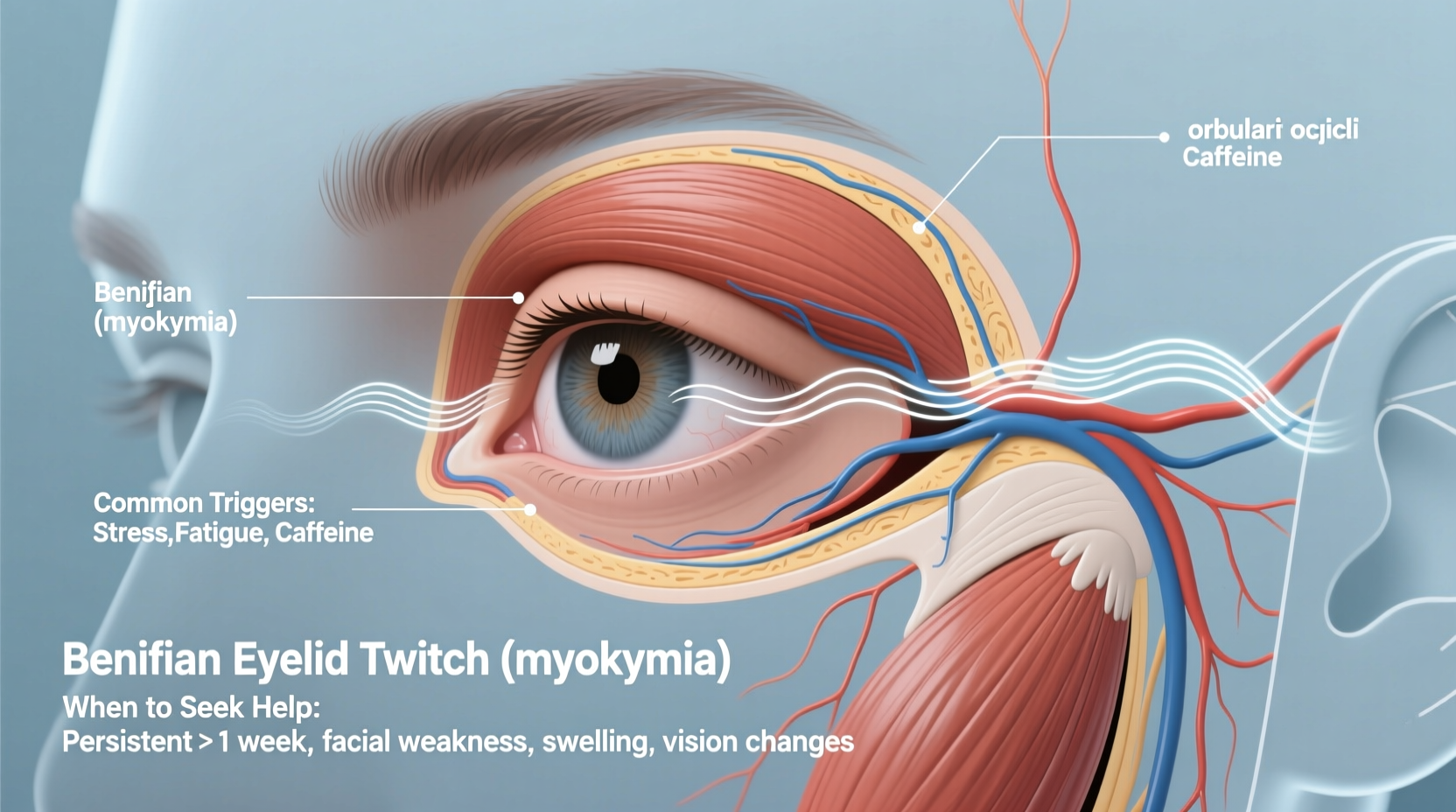
Eye twitching rarely stems from a single cause. Instead, it’s typically the result of a combination of lifestyle, environmental, and physiological factors. The most frequent triggers are manageable with small adjustments.
- Stress and Anxiety: Elevated cortisol levels due to chronic stress can overstimulate nerves, including those controlling facial muscles.
- Fatigue: Lack of sleep reduces the nervous system’s ability to regulate muscle activity efficiently.
- Caffeine and Stimulants: Excessive coffee, energy drinks, or certain medications may heighten nerve excitability.
- Dry Eyes: Especially common with prolonged screen use, dryness irritates the eye surface and prompts reflexive twitching.
- Nutritional Deficiencies: Low levels of magnesium, potassium, or vitamin B12 can impair neuromuscular function.
- Eye Strain: Extended focus on digital screens, reading, or driving without breaks strains ocular muscles.
When Eye Twitching Is Not Normal: Red Flags to Watch For
Most eyelid twitches are benign and temporary, classified as benign essential blepharospasm. However, certain patterns suggest something more serious. These include:
- Twitching that persists beyond three weeks
- Complete closure of the eyelid with each spasm
- Spreading of twitching to other facial areas (cheeks, mouth)
- Redness, swelling, or discharge from the eye
- Drooping eyelid (ptosis)
- Sensitivity to light or blurred vision accompanying the twitch
If twitching interferes with vision or daily tasks—such as reading, driving, or working at a computer—it should not be ignored. Persistent spasms may indicate neurological conditions like hemifacial spasm, Bell’s palsy, or even multiple sclerosis, though these are rare.
“While most eye twitches are nothing to worry about, any movement that spreads beyond the eyelid or lasts longer than a month warrants evaluation by a neurologist or ophthalmologist.” — Dr. Lena Patel, Neuro-Ophthalmologist, Massachusetts Eye and Ear
Do’s and Don’ts: Managing Eye Twitching Effectively
| Do’s | Don’ts |
|---|---|
| Get 7–8 hours of quality sleep nightly | Consume more than 400mg of caffeine per day (~4 cups of coffee) |
| Use artificial tears for dry eyes | Rub your eyes aggressively during a spasm |
| Take regular screen breaks using the 20-20-20 rule | Ignore worsening symptoms for months |
| Eat magnesium-rich foods (spinach, almonds, avocado) | Self-diagnose using unreliable online sources |
| Practice stress-reduction techniques like deep breathing | Apply unproven home remedies without consulting a doctor |
Step-by-Step Guide to Reducing and Preventing Eye Twitching
For most people, a structured approach to wellness can eliminate or significantly reduce eye twitching. Follow this timeline to regain control:
- Day 1–3: Assess Your Triggers
Keep a symptom journal. Note when the twitch occurs, duration, and recent habits (caffeine, sleep, screen time). This helps identify patterns. - Day 4–7: Optimize Lifestyle Factors
Aim for consistent sleep, cut back on stimulants, and hydrate well. Introduce leafy greens and nuts into meals to boost magnesium. - Day 8–14: Improve Visual Ergonomics
Adjust your screen brightness, position monitors at eye level, and follow the 20-20-20 rule: every 20 minutes, look at something 20 feet away for 20 seconds. - Day 15–21: Evaluate Progress
If twitching has decreased, continue current habits. If unchanged, consider dry eye treatment or consult an eye care professional. - Day 22+: Seek Medical Advice if Needed
Schedule an appointment with an ophthalmologist or neurologist if spasms persist, worsen, or spread.
Real-Life Example: When a Twitch Was a Warning Sign
Sarah, a 42-year-old graphic designer, began noticing her left eyelid twitching occasionally after late work nights. She dismissed it as fatigue. Over six weeks, however, the twitching intensified—now occurring daily and causing her eye to close involuntarily. She also started feeling mild tightness in her left cheek.
After researching symptoms and noting the spread beyond her eyelid, Sarah consulted a neurologist. MRI scans revealed no tumors, but she was diagnosed with early-stage hemifacial spasm, likely caused by a blood vessel pressing on the facial nerve. With botulinum toxin (Botox) injections and stress management therapy, her symptoms improved within two months.
Sarah’s case illustrates how seemingly minor symptoms can escalate. Her proactive decision to seek help prevented further complications and restored her confidence at work.
Medical Conditions Linked to Chronic Eye Twitching
While rare, persistent eye twitching can be associated with neurological or systemic disorders. Awareness helps distinguish between ordinary spasms and potential pathology.
- Hemifacial Spasm: Involuntary contractions on one side of the face, often starting near the eye and spreading downward. Caused by nerve compression, usually from a nearby blood vessel.
- Bell’s Palsy: Sudden facial paralysis due to inflammation of the facial nerve. May be preceded by twitching during recovery.
- Multiple Sclerosis (MS): A disease affecting the central nervous system. Eye twitching can occur alongside other symptoms like numbness, balance issues, or vision problems.
- Parkinson’s Disease and Dystonia: Movement disorders where abnormal muscle contractions, including blepharospasm, may develop.
- Dry Eye Syndrome: Chronic lack of lubrication leads to irritation and secondary muscle spasms.
It’s important to emphasize: having an eye twitch does not mean you have a serious condition. But when combined with other neurological symptoms, it becomes part of a broader diagnostic picture.
Checklist: When to See a Doctor About Eye Twitching
Use this checklist to determine whether professional evaluation is needed:
- ✅ Twitching lasts longer than three weeks
- ✅ Eyelid closes completely with each spasm
- ✅ Twitching spreads to other parts of the face
- ✅ You notice facial weakness or drooping
- ✅ There’s redness, swelling, or discharge from the eye
- ✅ Vision changes accompany the twitch
- ✅ You’re unable to open the eye comfortably
- ✅ Twitching disrupts daily activities or sleep
If two or more apply, schedule an appointment with an ophthalmologist or neurologist. Early diagnosis improves outcomes, especially for treatable conditions like hemifacial spasm.
Frequently Asked Questions
Can dehydration cause eye twitching?
Yes. Dehydration affects electrolyte balance, particularly sodium, potassium, and magnesium—all critical for proper nerve and muscle function. Even mild dehydration from inadequate water intake or excessive sweating can trigger muscle spasms, including in the eyelid.
Is eye twitching a sign of a stroke?
Not typically. Isolated eye twitching is not a common stroke symptom. However, if twitching is accompanied by sudden facial drooping, arm weakness, slurred speech, or confusion, seek emergency care immediately. These could indicate a neurological event.
Can children get eye twitches? Should I be concerned?
Yes, children can experience eye twitching, often due to fatigue, stress from school, or high screen time. Most cases are benign and resolve with rest. However, frequent or severe twitching should be evaluated, especially if linked to tics, ADHD, or developmental concerns.
Conclusion: Listen to Your Body, Act When It Matters
Eye twitching is usually a minor annoyance with straightforward causes: stress, tiredness, too much coffee, or staring at screens. Simple lifestyle changes often bring quick relief. But the body communicates through symptoms, and persistent twitching is worth listening to. Ignoring it won’t make it go away—and in rare cases, delaying care can allow underlying conditions to progress.
You don’t need to panic over every flutter. But you do deserve clarity, comfort, and confidence in your health. If your eye twitch lingers, spreads, or disrupts your life, don’t wait months hoping it will pass. Consult a healthcare provider. Whether it’s adjusting your sleep routine or undergoing a neurological assessment, taking action protects not just your eyes—but your overall well-being.




 浙公网安备
33010002000092号
浙公网安备
33010002000092号 浙B2-20120091-4
Comments
No comments yet. Why don't you start the discussion?